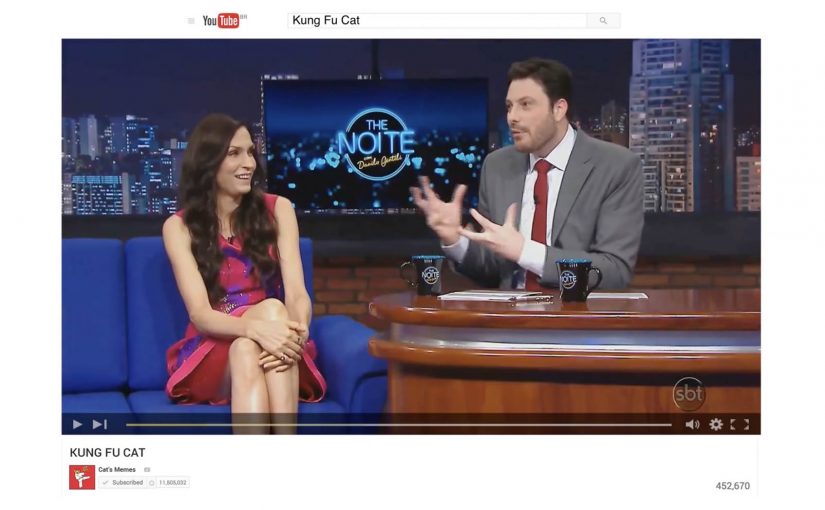
To promote a new season of The Noite, Publicis Brasil plays directly with a habit online video has trained into everyone. Skip the ad and move on.
Instead of treating that skip as the enemy, the campaign introduces a second choice. Viewers can click either “Skip Ad” or “Troll this ad”. The “troll” option leads to an unexpected piece of content that stays connected to the original message, and the campaign claims the result was four times more views than comparable pre-roll.
Turning a skip moment into a choice
The mechanic is not more targeting or louder creative. It is viewer control at the exact moment attention usually collapses. If you want to leave, you can. If you want to “troll”, you get rewarded with a playful detour that still carries the show.
In online video advertising, where skippable formats condition people to minimize attention, a simple interactive choice can convert avoidance into participation.
Why it lands
This works because it admits the truth of the format. People dislike being delayed. So the campaign reframes the pre-roll as a game with an opt-out, not a lecture with a countdown. The second button also creates curiosity, because it promises a different outcome than the usual “wait or skip” loop, and curiosity is one of the few reliable reasons people volunteer attention.
Extractable takeaway: If your audience’s default behavior is to escape, build a choice that makes staying feel like a self-directed action, then pay it off immediately with content that still ladders back to the brand.
What the show is really optimizing
The stated win is views, but the deeper win is sentiment. The Noite positions itself as culturally fluent in the platform’s frustrations, and that makes the promotional message feel less like interruption and more like shared humor. It is a promotion that behaves like entertainment.
The real question is not how to stop people from skipping, but how to make the pre-roll moment feel worth choosing.
The smarter move is not to fight skip behavior. It is to design a branded detour that respects it.
What to borrow from the button logic
- Design at the drop-off point. Put your idea where attention usually dies, not after it.
- Offer a real opt-out. Interactivity only feels fair if “leave” is genuinely available.
- Make the alternate path rewarding fast. The payoff has to arrive immediately or the trick reads as manipulation.
- Keep it on-message. The detour can be weird, but it should still be clearly linked to the original proposition.
A few fast answers before you act
What is the “Troll Ad Button” idea in one line?
A skippable pre-roll that adds a second option, “Troll this ad”, so viewers choose a playful alternate experience instead of simply skipping.
Why is a second button more effective than a better pre-roll film?
Because it changes the relationship with the format. It turns the moment into a decision the viewer owns, which can trigger curiosity and voluntary attention.
What metric did the campaign claim?
That it generated four times more views than similar pre-roll executions.
What is the key risk with “interactive pre-roll” mechanics?
If the alternate option is not genuinely different or feels like a trick, viewers punish the brand with distrust and faster skipping next time.
When should you use this pattern?
When your audience already expects to skip, and your brand can credibly reward curiosity with content that feels entertaining and immediate.