Chevy: Hacking the Super Bowl

Super Bowl Sunday is the biggest TV advertising day in the US. With 50+ advertisers competing for attention, “standing out” is usually code for shouting louder.

Chevrolet takes a different route. With “Chevy Game Time”, it turns the ad break into a live second-screen game. Viewers watch the commercial on TV, then immediately replay it with purpose on their phones.

A second screen that reacts to the broadcast

A “second-screen” experience is a mobile layer that runs alongside a live broadcast and responds to what’s on TV in near real time. Chevy Game Time prompts viewers the moment a Chevy spot airs, asking trivia about what they just saw and rewarding fast, correct answers with points and prizes.

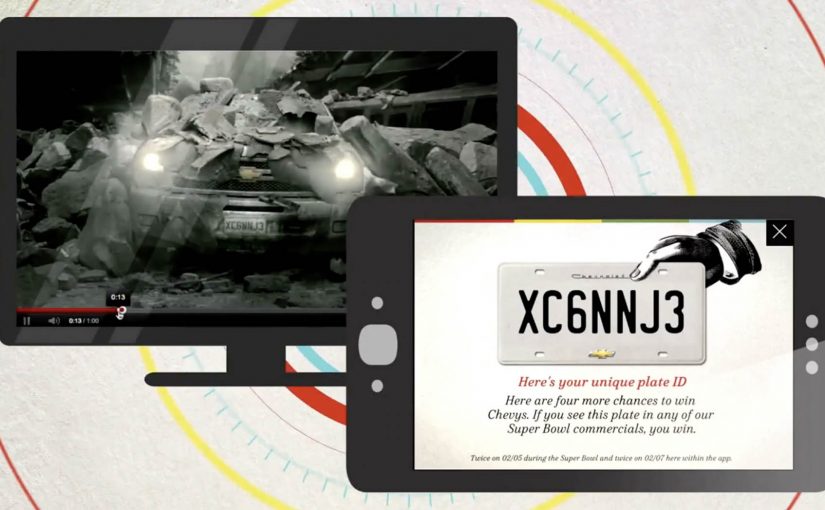
It also adds a high-stakes twist. Every user receives a personal license plate. If you spot your plate inside a Chevy commercial, the car is yours.

The mechanic: turning commercials into a repeatable loop

The loop is simple and effective:

  • Trigger: a Chevy ad hits the broadcast.
  • Action: the app pushes a trivia question about that specific ad.
  • Social effect: Super Bowl parties start “rewatching” the spot together, first on TV, then on the phone, and often again online.
  • Jackpot moment: the personal license plate appears. Somebody wins a car.

That structure doesn’t fight the reality of distracted viewing. It harnesses it.

That works because the trigger arrives while memory is still hot and the reward gives the rewatch a reason.

In mass-audience tentpole broadcasts, second-screen interactivity is often the fastest way to turn passive ad viewing into measurable participation.

Why it lands: it makes attention feel like play

Most second-screen ideas fail because they ask for extra effort with unclear payoff. Chevy Game Time flips that. The reward is obvious, the timing is immediate, and the questions make the room collectively care about the ad’s details.

Extractable takeaway: If you want people to pay attention to a message they did not ask for, make the attention itself the game. Use a tight loop (trigger, action, reward) that starts exactly when the message appears, not five minutes later.

The license-plate mechanic is the accelerant. It converts “maybe I’ll play” into “I’d better look up”, because missing your own plate feels like leaving money on the table.

The business intent: convert reach into proof

Instead of treating TV as pure reach, this approach turns a broadcast into an engagement funnel. Case studies around Chevy Game Time describe scale in the hundreds of thousands of participants, plus high real-time concurrency during the game, and meaningful App Store chart performance during the event window.

It also earns industry credibility. The work is credited to Chevrolet with Goodby, Silverstein & Partners and Detroit Labs, and it is associated with major recognition in mobile and multiscreen categories.

The real question is whether a brand can turn one expensive burst of reach into repeated, measurable acts of attention.

And the strategic win is clean. While other brands fight for a single impression, Chevy creates repeated, measurable touchpoints tied directly to its own creative.

What to steal for your next “everyone’s watching” moment

  • Design for rewatching: build a mechanic that naturally makes people replay the ad or replay the key message.
  • Sync to the broadcast: the question must arrive when the spot runs, not when the user remembers later.
  • Make the reward legible: users should understand the payoff in one sentence.
  • Give the group a reason to coordinate: party dynamics multiply attention when the action is communal.
  • Measure beyond downloads: track concurrent players, response rate per trigger, and “ad recall proxies” like question accuracy.

A few fast answers before you act

What is second-screen marketing?

Second-screen marketing is a companion mobile experience designed to run alongside a live broadcast, prompting actions that connect what’s on TV to what’s on a phone, usually in real time.

What made Chevy Game Time different from a normal companion app?

It tied interaction to the exact moment a specific commercial aired, then rewarded attention to that commercial through trivia and a personal “license plate” prize mechanic.

Why does the personal license plate idea matter?

Because it creates urgency and personal stakes. Viewers feel they could miss “their” moment, so they watch more closely and often rewatch immediately to confirm what they saw.

What should you measure in a live second-screen activation?

Track concurrent active users during triggers, response rate per trigger, time-to-answer, repeat participation across multiple ad breaks, and the uplift in brand recall or message comprehension tied to the trivia content.

Can this approach work outside the Super Bowl?

Yes, if you have a predictable live moment (finale, product launch stream, sports match) and you can synchronize prompts to it. The key is timing precision and a reward loop that feels worth the effort.
Volkswagen #Polowers: Tweet-Powered Race

Volkswagen Polo is one of the most desired cars amongst the youth of Spain. To make a big entry DDB Spain created a Tweet based race that would make VW Polo the most trending topic on Twitter for that day.

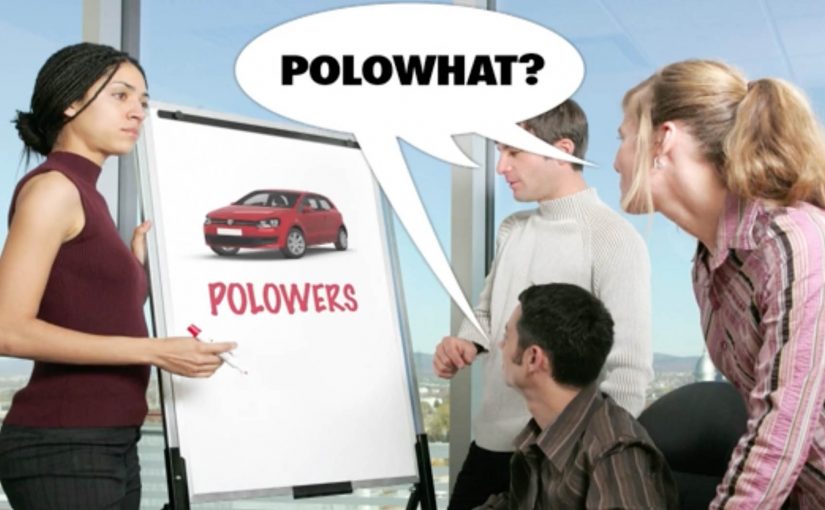
A special hashtag #Polowers was created in order to give a name to the VW Polo Followers. Then to generate conversation amongst the Polowers a race was setup where each tweet took the follower to the first position. In this context, a tweet-based race means every tweet with the #Polowers hashtag updates a live leaderboard.

The real question is: how do you turn a low-effort social action into sustained participation during a short launch window?

This is a smart mechanic because it turns public rank into the content people return to influence.

When the Polo stopped at one of the 5 designated stops, the follower in the first position at that time would win a prize, iPad, Denon Ceol music system, Leica D-Lux 5 camera, VW Bike and eventually the grand prize VW Polo itself.

In terms of results, the campaign generated more than 150,000 tweets in 8 hours after launching, at a rate of 5 tweets per second and reached more than 10% of Twitter’s total audience in Spain. It also became the leading Top 10 trending topic and generated a record breaking amount of traffic to Polo’s product section on Volkswagen.es.

Last year Mercedes-Benz had created a tweet based race that had real life cars fueled by tweets. Check out that campaign here.

Why this mechanic works

This is a clean real-time loop. Tweeting is the action. Rank is the feedback. Prizes are the incentive. The “race” gives people a reason to keep going, because every new tweet can change the leader. Because rank shifts are immediate and visible, people keep tweeting to defend or steal the top spot.

Extractable takeaway: If you make the user action measurable and publicly visible in real time, participation grows because people can see their impact instantly.

  • Identity creates belonging. #Polowers turns followers into a named group.
  • Progress is instant. One tweet changes position immediately.
  • Time pressure drives volume. Five stops create multiple “now” moments.
  • Reward cadence sustains momentum. Smaller prizes build toward the grand prize.

In European launch campaigns that need fast, time-boxed social momentum, a live leaderboard loop like this helps convert attention into repeat action inside a single mechanic.

What to take from this if you run social campaigns

  1. Design a loop that explains itself. If the rule fits in one sentence, participation scales.
  2. Make the scoreboard the content. Rankings create a story people want to influence.
  3. Use milestones. Stops and deadlines create peaks instead of a flat timeline.
  4. Measure beyond buzz. Here the campaign also drove traffic to the Polo product section, not just tweets.

A few fast answers before you act

What was Volkswagen #Polowers?

It was a tweet-based race in Spain where participants used the #Polowers hashtag, and tweeting moved them into first position in a live competition for prizes and a chance to win a VW Polo.

How did the prize mechanic work?

When the Polo stopped at one of five designated stops, the follower in first position at that moment won a prize. The grand prize was a VW Polo.

What were the reported results?

More than 150,000 tweets in 8 hours, around 5 tweets per second, reaching more than 10% of Twitter’s total audience in Spain, plus Top 10 trending status and record traffic to Volkswagen.es Polo pages.

Why did the hashtag matter?

#Polowers gave the community a name and made participation visible, searchable, and easy to join.

What is the transferable lesson?

If you turn a simple action into a live competition with clear milestones and meaningful rewards, social participation can compound quickly.

GOL: Valentine’s Flight Seat Challenge

Brazilian airline GOL ran a Facebook activation designed to grow its online community and raise brand awareness in a highly competitive airline market. The insight behind it was simple. A trip can be one of the most romantic Valentine’s gifts to receive.

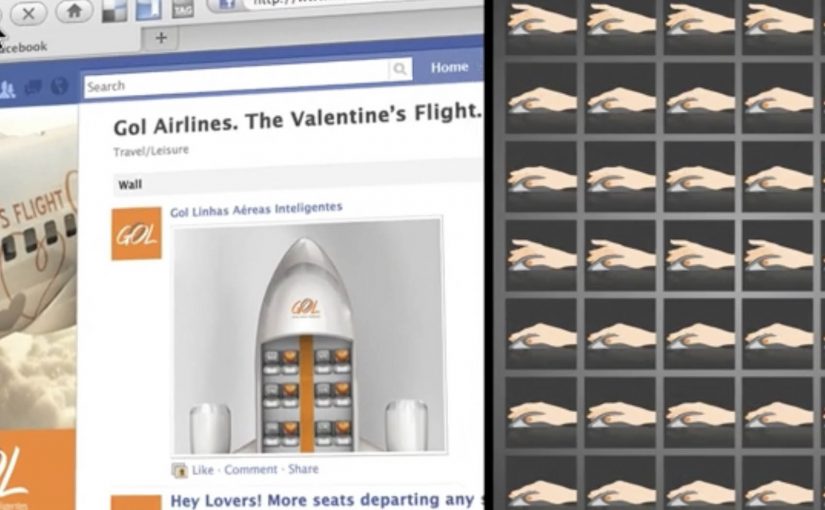
Over the Valentine’s weekend, GOL posted a series of images featuring empty airplane seats on its Facebook wall, without warning. The first people to see each image and comment the correct seat numbers won a pair of return tickets to any of GOL’s destinations.

The campaign was reported to have grown GOL’s Facebook community from 12,000 to over 200,000 in three days, making it number one in its category for the period.

A giveaway that rewards attention, not effort

The mechanism is a speed game disguised as a romantic prize. You do not fill out a form or write a story. You notice a post. You read a seat layout. You comment a number faster than everyone else.

In mass-market consumer categories, lightweight “attention rewards”, small prizes for noticing and reacting in the feed, can outperform complex promotions because they fit how people already behave in social feeds.

Why it lands

The execution stacks three accelerators. Surprise timing. A simple visual puzzle. A high-value reward that feels emotionally relevant to the weekend. That combination converts scrolling into urgency, and urgency fuels sharing and repeat checking, even among people who never win. The real question is whether your winner logic is instantly believable at feed speed.

Extractable takeaway: If you want rapid community growth, design a loop where the behaviour is already native to the platform, and the winner selection is instantly credible. Speed plus clarity beats creativity-plus-forms.

What the brand is really buying

Beyond awareness, this format buys habit. People learn that the page can drop value without notice, so they follow, refresh, and invite friends to watch too. The prize is the hook. The real outcome is an audience that has trained itself to pay attention at the brand’s tempo.

Steal this: Surprise-seat giveaway loop

  • Use a recognisable visual trigger. A seat map is instantly readable, even at feed speed.
  • Keep participation to one action. Commenting is frictionless. That matters more than polish.
  • Make the rules self-verifying. Everyone can see the seat numbers and understand who was first.
  • Lean on surprise scheduling. Unannounced drops drive repeat checking far better than a fixed timetable.
  • Match prize to context. A Valentine’s weekend mechanic wants a prize that feels like a shared experience.

A few fast answers before you act

What is the Valentine’s Flight Seat Challenge in one sentence?

It is a Facebook giveaway where GOL posted surprise images with empty seat layouts, and the first users to comment the correct seat numbers won return tickets.

Why does “first to comment” work so well on Facebook?

Because it rewards attention and speed, which are native behaviours in a feed. It also creates a visible, easy-to-trust winner logic.

What makes the seat map a strong creative device?

It is instantly legible, visually distinctive in the feed, and turns the brand’s core product into a simple game mechanic.

What is the biggest risk with this format?

Perceived fairness. If timing, moderation, or winner confirmation is unclear, the campaign can trigger backlash rather than growth.

What should you measure beyond follower count?

New follower retention after the weekend, engagement rate on subsequent posts, repeat participation behaviour, and whether awareness lift correlates with search and booking intent.