Burger King Burn that Ad

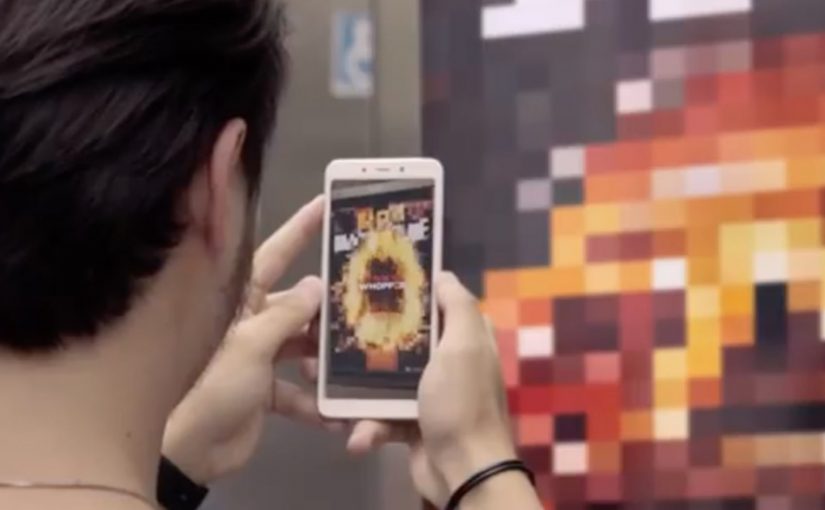
In Brazil, Burger King and ad agency David SP use augmented reality to “burn” competitors’ ads through consumers’ mobile phones. The reward is simple and immediate. Participate, and you earn a free Whopper.

Burger King expects to give away 500,000 Whoppers through the promotion, pushing more people to use Burger King Express, the service that lets customers pre-order food for pickup.

How “Burn that Ad” works

The mechanic turns rival advertising into a trigger. You point your phone at a competitor’s ad, the experience “burns” it in AR, and the payoff is a Whopper coupon. It is a direct, product-first incentive tied to a single action.

Why the reward is the strategy

This is not a brand-film play. It is a behavioural exchange. The customer does something specific in the moment, and Burger King pays them back with something they value immediately. That makes participation scalable beyond the novelty of AR.

The operational goal: Burger King Express

The giveaway is not only about footfall. It is designed to drive adoption of pre-order pickup via Burger King Express. The campaign builds a reason to try the service, not just the product.

What to steal

  • Turn a competitor’s presence into your acquisition trigger, without relying on complicated steps.
  • Keep the action simple and the reward tangible.
  • Link the incentive to an operational behaviour you want to scale, such as pickup pre-order adoption.

A few fast answers before you act

What is “Burn that Ad”?

A Burger King Brazil promotion that uses augmented reality to “burn” competitors’ ads on mobile phones and reward participants with a free Whopper.

What is the incentive?

A free Whopper, delivered via the promotion’s reward mechanic.

How many Whoppers does Burger King plan to give away?

500,000.

What business behaviour does it push beyond the giveaway?

Using Burger King Express to pre-order food for pickup.
A Can Size for Every Aussie

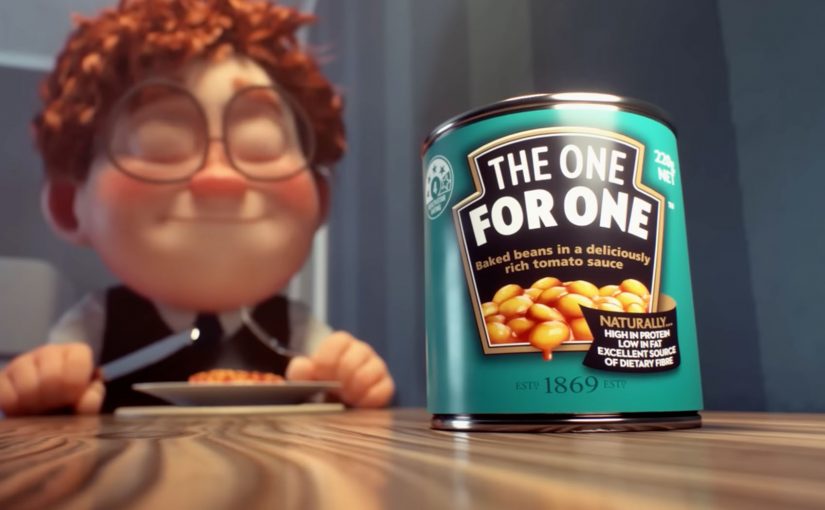
Kraft launches four new sizes of Heinz baked bean cans with a three-minute “life narrative” film. It follows Geoff, a man addicted to beans, and his future wife, whom he meets in the spaghetti department. The story builds to the punchline. Geoff “invents” a range of can sizes that feels perfect for different Australian occasions.

The creative choice is doing a lot of work. It turns something that is normally functional and forgettable. Pack size. Into a character-driven narrative that is easy to watch and easy to remember.

The insight behind the pack strategy

In 2016, Kraft commissions consumer and shopper research to understand how Australians use Heinz beans and spaghetti. The key finding is straightforward. People want ideal can sizes that suit different occasions.

Four sizes is not “more choice” for its own sake. It is a response to a usage reality. One household does not always need the same portion format.

Why a film is the right container for a packaging story

Packaging benefits can sound like rational product copy. This film makes the point emotionally, then lands it practically.

The narrative format also solves a distribution problem. It gives the campaign a reason to be watched and shared even by people who do not currently care about can sizes.

What to steal if you are launching format variants

  • Start with a concrete usage insight, not a portfolio decision.
  • Give the variant story a memorable mental model. Here, “a can size for every occasion.”
  • Use entertainment to earn attention. Then let the product logic feel obvious, not forced.

A few fast answers before you act

What is being launched here?

Four new sizes of Heinz baked bean cans.

What insight drives the launch?

Kraft’s research shows Australians are looking for ideal can sizes to suit different occasions.

How is the launch communicated?

Through a three-minute life narrative film featuring Geoff and his future wife in the spaghetti department.

What is the core marketing technique?

Use story to make a functional packaging benefit feel human, memorable, and worth sharing.

Burger King Truckvertising

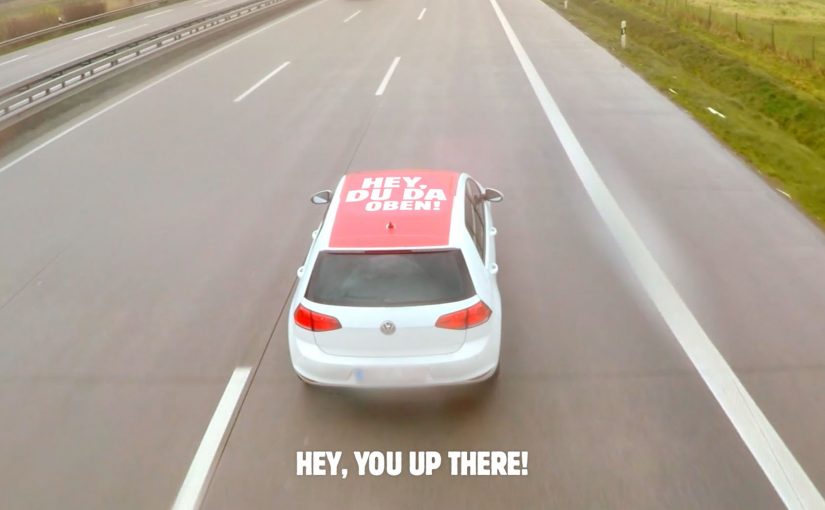
Due to strict laws, reportedly around 13,000km of the German motorway network is ad-free. So to convince truckers in Germany to buy freshly grilled Whoppers, Burger King and agency Grabarz & Partner create ads that only truckers can see. The ads sit on the roof of multiple cars that take turns overtaking trucks.

The cars do not just show an ad. They run a sequence of messages that feels like a conversation from the road:

  • “Hey, you up there!”
  • “You look hungry!”
  • “Why don’t you try out the Whopper?”
  • “Fresh and flame grilled”

Once the first few cars get the truckers’ attention, the remainder guides them to the next Burger King, turning the motorway into a moving funnel:

  • “If yes, then wink”
  • “Follow me to Burger King”

As a result, many truckers give in to temptation and follow the cars to the next XXL Burger King Drive-In.

The constraint that forces the creativity

The starting point is the limitation. Large parts of the German motorway network are ad-free, so the classic roadside billboard play is unavailable at scale.

The execution is “roof media” plus choreography

Burger King turns overtaking cars into a media surface and a delivery system. Roof placements ensure the message is visible from the truck cab. A rotating set of cars keeps the sequence going long enough to land.

The craft is the choreography. It is not one clever line. It is a paced interaction that escalates from attention, to appetite, to direction.

Why this works as shopper marketing in motion

This is direct response built into a live environment. The target is already in a vehicle. The call-to-action is a drive-in. The next best action is physically nearby, and the message literally leads the way.

It also respects context. Truckers are not asked to scan, click, or search. They are asked to notice, react, then follow.

What to steal

  • Start with a hard constraint and treat it as a design brief, not a blocker.
  • Use a format the audience cannot ignore in their context, in this case overhead visibility from a cab.
  • Build a sequence that moves from attention to action, not a single punchline.

A few fast answers before you act

What is “Truckvertising” in one line?

Car-roof ads overtake trucks on ad-free motorways, deliver messages to truckers, then guide them to the next Burger King drive-in.

Why put the ad on the roof?

Because the goal is visibility from the truck cab.

What is the conversion mechanic?

A staged sequence of overtaking cars that gets attention, then provides directions to the next Burger King.

What is the underlying business aim?

To drive immediate, local store visits and Whopper purchase intent from a high-propensity audience in transit.