
Mercedes-Benz: Yes, A.I. Do

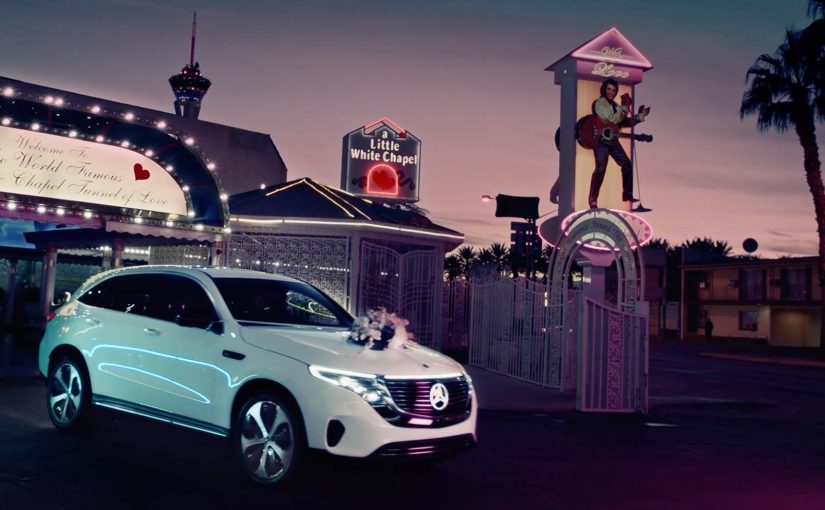
For the world premiere of their new Mercedes-Benz EQC at CES 2019 in Las Vegas, Mercedes transformed their new model into a wedding carriage. Four lucky couples were invited to test drive the new Mercedes-Benz EQC on the roads of Las Vegas and experience its special A.I. features first hand.

Why this launch twist works

  • It turns a product reveal into a story. A “wedding carriage” reframes a tech premiere into an experience people immediately understand.
  • It makes A.I. tangible. Instead of describing features on a stage, it puts them into a real drive where reactions matter.
  • It earns attention without shouting. The setup is unusual enough to travel, while still keeping the car at the center.

The reusable pattern

Wrap a launch moment in a simple, human ritual. Then invite a small group to experience the product in-context so the story carries the technology, not the other way around.


A few fast answers before you act

What happened in the Mercedes-Benz “Yes, A.I. Do” activation?

For CES 2019 in Las Vegas, Mercedes used the EQC premiere as a wedding-carriage themed experience and invited four couples to test drive the car and experience its A.I. features first hand.

Why use couples and a wedding theme for a car launch?

It creates an instantly recognizable narrative frame, which makes the activation easier to remember and easier to share than a standard demo.

What is the main takeaway for product launches?

Give the viewer a clear story hook, then let the product prove itself through a real experience rather than through claims.

How do you keep a stunt from overshadowing the product?

Make the product the “stage”. The theme should guide attention toward the experience of the product, not away from it.

Mini We Tow You Drive

Driving a Mini is addictive. Which is why drivers who test drive are more likely to buy one. So to get prospective customers to test drive, Mini decided to help drivers that were stranded by their own cars. Mini partnered with a tow service company and responded to break down calls in real time throughout Singapore. The campaign not only took the test drive out of the showroom and onto the streets, it really made the drivers’ day by unexpectedly turning an annoying situation into a pleasant surprise.

Click here to view the case video.

And @PixelHeritage just brought to my attention, that a Brazilian Chevrolet dealership in 2012 did the exact same test drive promotion in Brazil with the Chevrolet Cobalt…

Pepsi Max: Test Drive

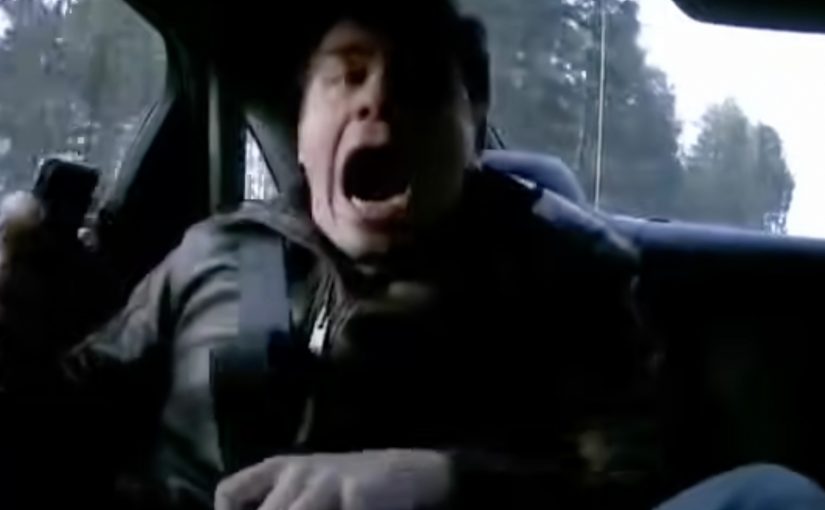
Last year in March, Pepsi Max along with professional stock car racing driver Jeff Gordon performed a prank on an unsuspecting car salesman by taking him on a test drive of his life…

The video since then got over 41 Million views on YouTube. Despite its viral success, automotive journalist Travis Okulski was not impressed and was pretty vocal in pointing out inconsistencies in the viral ad and calling it a fake.

So Jeff Gordon teamed up again with Pepsi Max to pull a similar prank on unsuspecting Travis Okulski, just to prove the authenticity of the original test drive video…

But even after all of that Travis Okulski is still not convinced and the video since its release last week has already gotten over 13 Million views on YouTube.

Why this became a two-part story

The first video worked because the premise is simple, the escalation feels real, and the payoff is pure reaction. But the moment it went viral, it also invited scrutiny. That is what makes the follow-up so interesting. The brand turned criticism into content by making the skeptic part of the narrative.

  • Viral hook. A familiar setting, then a sudden reveal of unexpected capability.
  • Credibility challenge. A public critique that reframed the conversation as “real or staged”.
  • Response as sequel. A second execution aimed at the critic to re-earn belief.

What to learn from the backlash

When stunts travel, authenticity becomes part of the product. If the audience starts debating “is it real”, the brand can either go silent or lean in. Pepsi Max leaned in and used the debate as fuel, which extended the lifecycle and kept attention anchored to the same brand platform.


A few fast answers before you act

What is Pepsi Max “Test Drive” with Jeff Gordon?

It is a prank-style stunt video where Jeff Gordon takes an unsuspecting car salesman on an extreme test drive, created as part of Pepsi Max’s viral entertainment approach.

Why was there controversy around the first video?

An automotive journalist publicly pointed out inconsistencies and argued it was staged, which sparked debate about authenticity.

Why did Pepsi Max do a second video?

To address the credibility debate directly by repeating a similar stunt and making the outspoken critic part of the execution.

What is the transferable pattern for viral campaigns?

Expect scrutiny, especially when the content looks “too good”. If doubt becomes the story, design a credible sequel that engages the criticism rather than ignoring it.