
Draftfcb: In Your Face Recruitment Hack

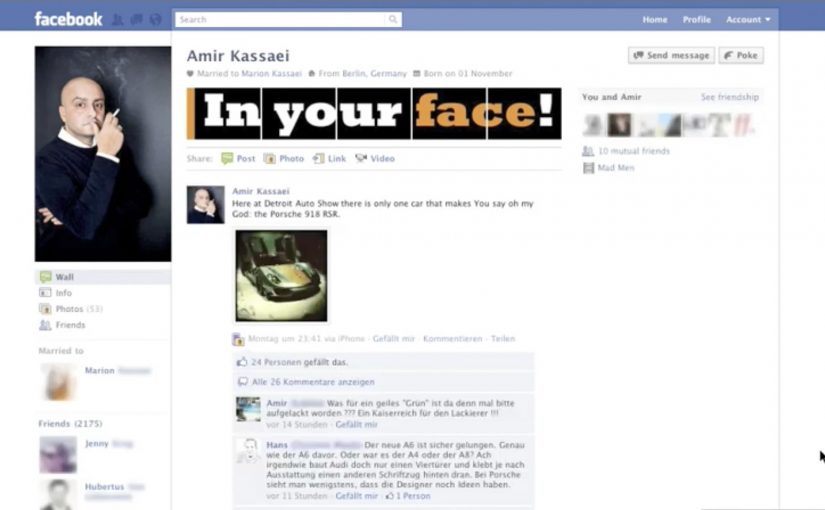
Draftfcb Germany is the latest ad agency to join the trend of tactically using social media for recruitment. In this case, they use Facebook’s redesigned profile layout to spread their hiring needs to a highly targeted advertising audience.

Recruitment message, delivered as a profile takeover

The mechanism is a simple interface hijack. Instead of posting a job ad and hoping people click, the recruitment message is built into the profile itself, so anyone landing on it experiences the “In Your Face” moment immediately. It is native to the platform, and it travels through the same social graph pathways as any other profile view.

In competitive hiring markets, social recruiting works best when the message shows up inside the places people already browse, rather than asking them to switch into “job search mode.”

Why it lands

This is not a deep story. It is a sharp pattern interrupt. That means the familiar Facebook profile suddenly behaves like a recruitment billboard, which makes the message easy to recognize and easy to forward to the right peers. The profile becomes the ad unit, the ad unit becomes a talking point, and the talking point becomes a referral engine as people share it with the exact peers who might fit.

Extractable takeaway: If you want a recruitment message to spread inside a community, put it where the community already looks, and make the first two seconds instantly legible without requiring a click.

The real question is whether the profile itself can carry the hiring message strongly enough to spread through the right creative network without needing a click. This is a smart recruitment move because it converts ordinary profile views into immediate message delivery and referral fuel.

Recruitment moves worth borrowing

  • Use the platform’s default surfaces. If the profile is the most-viewed asset, make that the canvas.
  • Design for “seen in passing.” The message should register at scroll speed.
  • Make it referable. The best recruitment creative gives insiders something easy to forward to insiders.
  • Keep it role-specific. If you want a “select advertising audience,” avoid generic “we’re hiring” language.
  • Respect the line. If the takeover feels spammy or deceptive, it damages employer brand more than it helps.

A few fast answers before you act

What is “In Your Face” in one sentence?

It is a Draftfcb Germany recruitment idea that turns Facebook’s profile layout into a visual hiring message that spreads through normal profile views and shares.

Why use a profile takeover instead of a standard job post?

Because it removes friction and increases certainty. The viewer immediately understands the intent without leaving the platform or clicking through.

What makes this tactic “targeted”?

It travels through an industry social graph. The people most likely to see it are connected to the agency, its staff, or the wider creative community.

What is the biggest risk with this approach?

Novelty decay. Once the trick is familiar, it stops being a conversation piece, so the idea needs either a short run or variations.

What should you measure if you do something similar?

Qualified inbound candidates, referral volume from employees and peers, share rate inside relevant networks, and sentiment about the employer brand.
La Senza: The Cup Size Choir

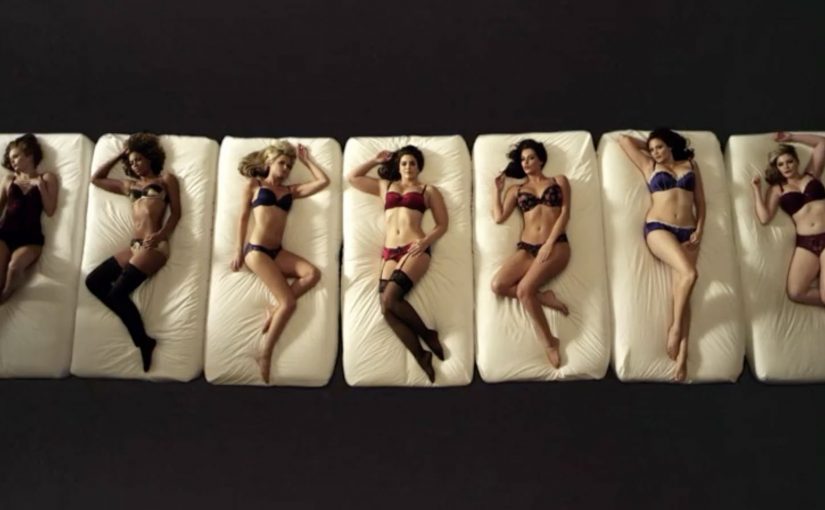
In this holiday video from London ad agency Karmarama, Canada-based lingerie maker La Senza presents a novel Christmas choir. Women in their underwear lie on a puffy piano, each singing the musical note represented by their bra size, from A to G.

A Christmas choir built from cup sizes

The hook is immediate. A to G becomes a scale. The set becomes a keyboard. The cast becomes the instrument. It is a simple idea that explains itself in seconds, and it gives the viewer a reason to watch again just to catch how the “notes” are assigned.

How the mechanic sells the range

Instead of listing products, the film turns product variety into a performance system. Each cup size is framed as a distinct note, and the choreography is built around sequencing those notes into a familiar holiday tune.

In holiday retail marketing, the quickest way to earn attention is to turn the product range into entertainment people can instantly understand.

Why it lands as a share

The format is cheeky, high-contrast, and easy to summarize. That makes it naturally social, because people can describe it in one sentence and still do it justice. The “keyboard” visual also creates a clear pattern, so even casual viewers feel like they are in on the joke.

Extractable takeaway: When your product offer is breadth, not one hero feature, convert that breadth into a simple system the audience can see and repeat, and the message sticks without explanation.

The intent behind the wink

This is brand entertainment with a retail job to do. It keeps La Senza top-of-mind during a gifting season and spotlights that the brand serves a wide range of sizes, while the tone keeps it light enough to travel beyond existing customers.

The real question is whether the performance makes that size range memorable enough to travel beyond the existing customer base.

How to turn range into a shareable system

  • Make the organizing idea visible. A to G as notes is instantly legible.
  • Use a familiar frame. A holiday tune lowers comprehension cost.
  • Sell the range without “catalog copy”. Show variety as a system, not as a list.
  • Keep the runtime tight. Short spectacle beats long explanation for sharing.
  • Let the craft do the persuasion. Production, choreography, and rhythm carry the message.

A few fast answers before you act

What is the core idea of The Cup Size Choir?

Assign musical notes to bra cup sizes and build a performance that turns product range into a simple, watchable system.

Why does this work as holiday advertising?

It is easy to understand, easy to retell, and it uses a seasonal structure people already recognize, so the message lands quickly.

What is the main brand message?

That the brand offers a broad size range, communicated through entertainment rather than product claims.

What is the biggest risk with this kind of execution?

If the tone feels gratuitous or distracting, the audience remembers the stunt but forgets the brand or the point.

How can a different category copy the approach safely?

Translate “range” into a clear system. Use a familiar cultural frame. Keep the mechanic obvious, and let the craft carry the story.

Tipp-Ex: A Hunter Shoots a Bear

If you have ever wanted to hijack a storyline mid-play, Tipp-Ex delivers a brilliant “wait, what?” moment. A hunter is about to shoot a bear. Then the video breaks its own frame. The hunter reaches out, grabs Tipp-Ex, whites out the word “shoots” in the title, and invites you to write your own verb instead.

One verb becomes the remote control

This is an interactive YouTube takeover ad where the headline is the interface. You type a command into the title, and the story branches into a matching outcome. It is simple enough to explain in one line. It is also instantly rewarding, because you see the consequence of your input right away.

The real question is whether your audience can understand the control in one glance and feel the payoff in one click.

In European FMCG marketing, few products have a built-in metaphor as literal as correction tape: white it out, then rewrite.

This is interactive video done right: it hands the viewer a single, obvious control. Replace one verb in the title, and the story instantly branches into a matching ending. That mechanism makes the product demonstration inseparable from the entertainment.

Why it lands: you are not watching, you are steering

The psychological hook is viewer control with near-zero friction. You are not asked to learn a UI, register, or navigate a microsite. You do one small thing (type a verb), and you get a big payoff (a fresh scene). That combination of viewer control and immediacy turns curiosity into repeat plays, because every new verb feels like another door.

Extractable takeaway: One obvious input plus an immediate, visible change is the fastest way to turn curiosity into repeat plays.

The business goal hidden inside the gag

Tipp-Ex is not just sponsoring a funny clip. The brand behavior is the plot device. “White and rewrite” is demonstrated, not stated. The longer you experiment, the longer you stay with the brand idea, and the more likely you are to share it as “you have to try this.”

Steal the one-verb control pattern

  • Make the control obvious. One input. One immediate, visible change.
  • Fuse product truth with interaction. The mechanic should only make sense for this brand.
  • Reward experimentation. Curiosity loops need fast feedback, not a slow reveal.
  • Design for retelling. People share experiences they can describe in one sentence.

A few fast answers before you act

What is “A Hunter Shoots a Bear” for Tipp-Ex?

An interactive video campaign where the viewer changes the story by editing a single word in the video title, turning the headline into the control surface.

What is the core mechanism that makes it interactive?

The campaign asks the viewer to replace the verb in the title and then routes them to a matching video outcome, so the typed command becomes the next scene.

Why did this format spread so widely?

It gives immediate viewer control and fast feedback. People share it because they can describe the interaction in one line and friends can instantly try their own outcomes.

What brand intent does this serve beyond “being clever”?

It makes Tipp-Ex (a correction tool) inseparable from the interaction. The product truth is the mechanic, so the brand is not optional to the idea.

What is the most transferable takeaway?

When the interaction is one obvious input with one visible change, curiosity turns into repeat play, and repeat play turns into distribution.