Shopping is 24×7. It happens everywhere, not just in a store or on a website.
The intersection of smartphones, social media, online and offline shopping puts the consumer squarely in control. The shopping journey is no longer linear. Discovery can start in a social feed, comparison can happen on a phone while standing in front of a shelf, and purchase can happen without ever “going to checkout”.
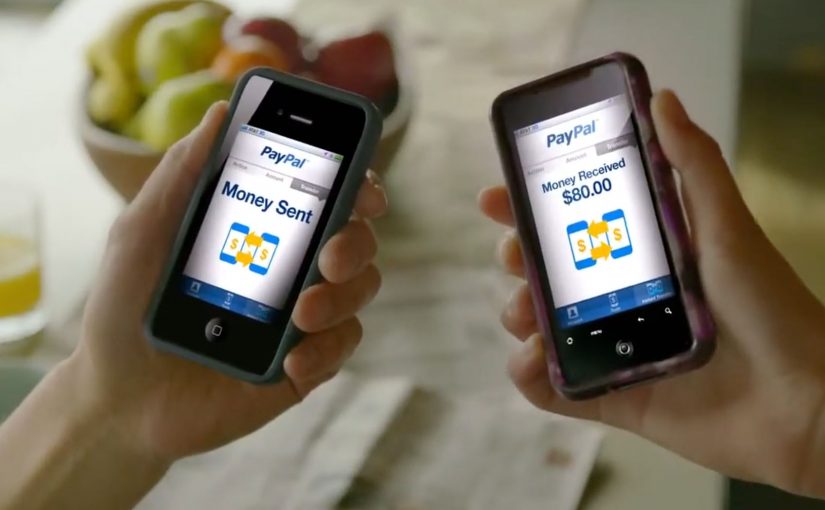
That shift is exactly what PayPal leans into with a hype video depicting what the future of shopping might look like. The story is not only about paying faster. It is about payment disappearing into the experience, powered by PayPal’s next generation payment platforms as they aim to re-imagine money. Here, “payment disappearing” means the transaction runs in the background while the shopper stays focused on choosing and receiving.
Payment is becoming invisible
We already see the building blocks all around us.
- The phone becomes the remote control for shopping. Discovery, decision, and purchase collapse into one device.
- Identity and trust become the key. Not the physical wallet.
- The act of payment moves from a moment to a background process. It becomes an outcome of intent, not a step.
Because identity and trust signals can be verified upfront, the system can authorize transactions without forcing a visible checkout moment.
What changes is not only how you pay. It is when you pay. Or more precisely, whether you even notice it.
In European enterprises and global retail ecosystems, the first battles play out around who can make identity, trust, and permission work consistently across channels.
In commerce ecosystems, the player that owns identity, trust, and the payment layer can influence far more than checkout. It can shape the full shopping journey.
The consumer is in control. Brands and retailers adapt or fade
When consumers can shop anytime and anywhere, the competitive battlefield shifts.
Extractable takeaway: The winning journey makes payment an invisible outcome of intent, while trust and permission stay visible enough for the customer to understand and control.
- Convenience becomes design. You win by removing friction, not by adding features.
- Context beats channel. The store is not a place. It is a moment, a need, a trigger.
- Attention becomes the scarce currency. If payment is effortless, the real fight is for preference, trust, and relevance.
In this model, money is not the centerpiece. The experience is.
What the PayPal vision is really selling
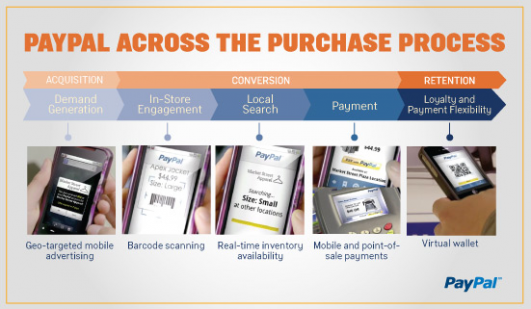
PayPal’s narrative previews a broader shift. Commerce becomes ambient, meaning buying and paying blend into everyday moments instead of a distinct checkout step.
The hype is the packaging. The strategic message underneath is that payment platforms want to sit one layer deeper in the journey. Not at the end, but throughout.
They aim to become the connective tissue between identity, intent, and transaction.
This is why the video matters. It is not a product demo. It is a stake in the ground. The future of shopping is continuous, and the future of money is embedded.
Design moves when payment disappears
If payment disappears, a few questions matter more than ever.
The real question is who sets the rules of identity and trust when payment fades into the background.
Brands and retailers should design journeys so payment is an invisible outcome of intent, while the consumer stays in control of trust and permission.
- Relationship ownership. Decide who owns the consumer relationship when the transaction becomes frictionless.
- Trust, privacy, permission. Define how trust, privacy, and permission evolve when identity becomes the wallet.
- Loyalty without a moment. Re-think loyalty when the purchase moment is no longer a moment.
The brands and retailers who win treat checkout as a symptom. Not a destination.
A few fast answers before you act
What does “payment disappears” actually mean?
Payment becomes a background step. The shopper focuses on choosing and receiving, while the transaction happens with minimal explicit action.
Why is the smartphone central to this shift?
It combines identity, context, discovery, and transaction capability in one always-on device, collapsing steps that used to be separate.
What is the strategic risk for retailers?
If the payment layer owns identity and trust, it can also mediate choice. Retailers risk becoming interchangeable unless they add differentiated experience value.
What is the opportunity for brands?
To design end-to-end journeys that reduce friction and increase relevance. When paying fades away, experience quality becomes more visible.
What is the hardest part to get right?
Trust and permission. Invisible payment only scales when consumers feel in control and understand when and why transactions occur.