
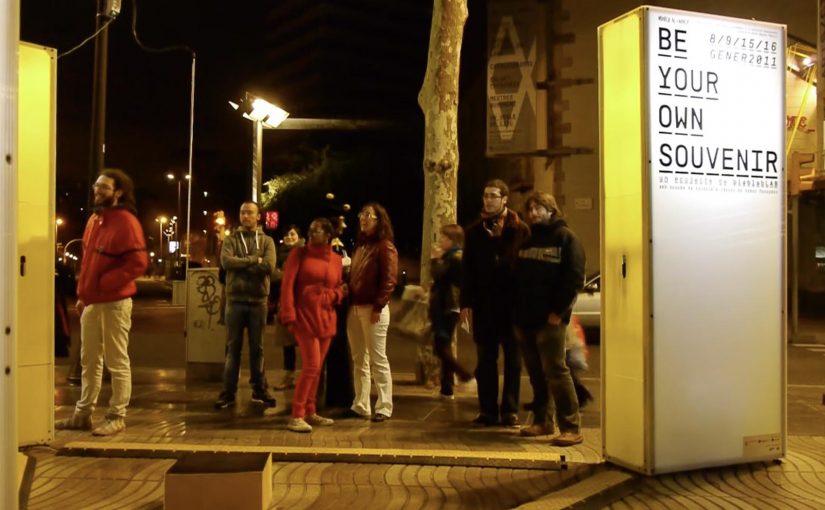
Be Your Own Souvenir: 3D-printed human statue

The crew from blablablab.org creates a unique digital installation in La Rambla, Barcelona, a place made famous by street artists posing as “human sculptures” and the constant flow of tourists who stop to watch them stand still.

This installation reverses the roles and lets the tourist become the producer as well as the consumer. The system invites visitors to perform as a human statue, with a free personal souvenir as the reward: a small figure of themselves, printed three-dimensionally from a volumetric reconstruction generated using three structured-light scanners (Kinect).

On La Rambla, where people already queue for a photo moment, converting spectators into performers is a reliable way to earn attention without forcing a pitch.

A street ritual, rewritten

La Rambla already has a clear “script”. You stop, you watch, you take a picture, you move on. This project keeps the same script, but switches the hero. Instead of photographing someone else’s performance, you become the performance, and you leave with a physical artifact that proves you did it.

The real question is how you get strangers to choose public participation without feeling like they are being pitched.

How the scanning becomes the experience

The tech is not framed as “3D scanning”. It is framed as a playful stage. You step into position, hold still like the living statues nearby, and the system quietly captures you. The output is a miniature you can take home, which makes the digital process feel tangible and earned.

In European tourist corridors with heavy foot traffic, public-space interactivity succeeds when the action is instantly legible and the payoff is immediate.

Why the reward loop works

A souvenir is usually generic. Here it is personal, location-specific, and instantly story-worthy. The value is not the plastic. The value is the transformation: tourist to performer, data to object, moment to keepsake. The reward loop here is simple: pose, get captured, receive a miniature you can take home. This kind of public-space interactivity works best when the reward is earned through participation, not handed out as a promo.

Extractable takeaway: Turn spectators into performers with a one-step action and an earned artifact, and you can win attention without forcing a pitch.

What to steal for public-space interactivity

  • Borrow a behavior people already understand. The “human statue” pose needs no explanation in this location.
  • Make participation the content. The audience is literally the subject.
  • Deliver a physical takeaway. A real object extends the memory past the street corner.
  • Keep the instruction simple. “Stand here and pose” beats any multi-step onboarding.

A few fast answers before you act

What is “Be Your Own Souvenir”?

It is a public installation on La Rambla that invites tourists to pose as human statues, captures them with structured-light scanning, and produces a small 3D-printed figure as a personal souvenir.

How does the system capture the person?

It uses volumetric reconstruction generated from three structured-light scanners (Kinect), producing a digital model that can be sent to a 3D printer.

Why does the “human statue” framing matter?

Because it matches the culture of the street. People already understand the pose-and-watch ritual, so the interaction feels native rather than imported.

What makes this more than a tech demo?

The outcome is personal and physical. The tech disappears behind an experience and a takeaway that visitors actually want.

What is the main lesson for experiential design?

Anchor the interaction in a familiar behavior, then reward participation with an artifact that makes the moment portable.
The Swedish Post: The Sound of Green

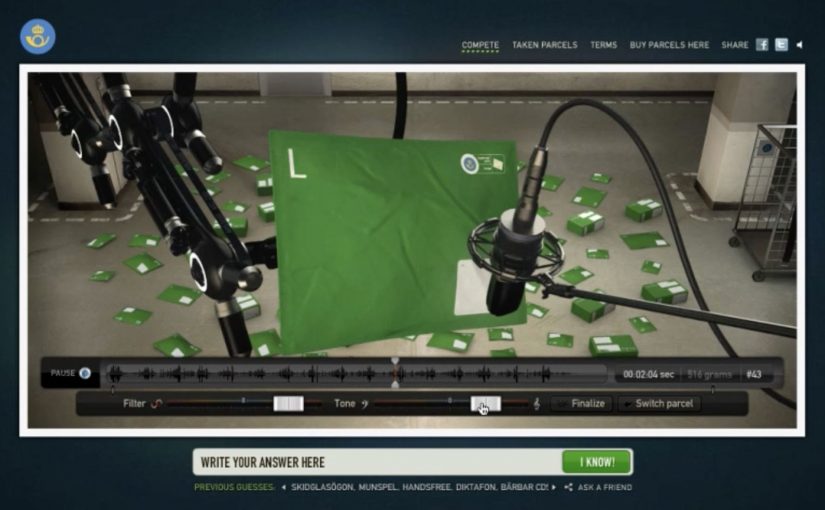
The Swedish Post has a collection of pre-stamped parcels that makes it easy to send things. The task for ad agency Åkestam Holst was to tell people that it was possible to send almost anything overnight with these pre-stamped parcels.

So they packed 80 parcels with all sorts of stuff and recorded 80 specific sounds. Those sounds powered “The Sound of Green” competition. Users picked a parcel, listened closely, and guessed what was inside. If they got it right, the Swedish Post sent the same parcel to the winner the very same day.

After a reported 140,240 guesses, the competition finally came to an end.

When proof beats promise

The mechanism is a neat translation of capability into play. Instead of listing what you can ship, you create 80 mystery parcels, record what they sound like, and let the public test their attention. The prize is not a voucher or a discount. The prize is the actual thing, delivered fast, which quietly demonstrates the core promise.

In consumer postal markets where “overnight delivery” sounds like a commodity claim, capability stories land better when they are demonstrated through a simple, repeatable experience.

The real question is whether the brand can make overnight delivery felt before someone ever ships a parcel.

Why it lands

This works because it turns logistics into curiosity. Sound is intimate and surprisingly hard to fake, so the listener leans in. The guessing format also creates a low-friction reason to spend time with the brand, and the same-day fulfilment makes the payoff feel real, not promotional.

Extractable takeaway: If you are selling an invisible service, build a public game that forces the benefit to show up as evidence, not copy.

What service brands can borrow

  • Demonstrate the promise. Replace “we can do anything” with proof people can experience.
  • Use a constraint to create focus. 80 sounds is large enough to feel rich, small enough to feel curated.
  • Make the prize the product. Shipping the parcel is the cleanest way to validate shipping.
  • Design for repeat attempts. A guessing mechanic naturally invites “one more try”.

A few fast answers before you act

What is “The Sound of Green”?

An online competition by the Swedish Post and Åkestam Holst where people listen to recorded parcel sounds, guess the contents, and winners receive the same parcel delivered the same day.

What is the core mechanism?

Pack real parcels, record the sounds they make, then let users choose a parcel sound and submit a guess. Correct guesses trigger real fulfilment.

Why use sound instead of photos?

Sound forces attention. It is less immediately obvious than visuals, and it creates a stronger sense of discovery when you finally figure it out.

What does this teach about marketing service businesses?

Claims are easy to ignore. Demonstrations are harder to dismiss, especially when the demonstration is interactive and ends in real delivery.

How do you keep a contest like this from feeling gimmicky?

Make the payoff identical to the promise. In this case, the reward is the service itself, delivered fast.

Nutricia: Baby Connection

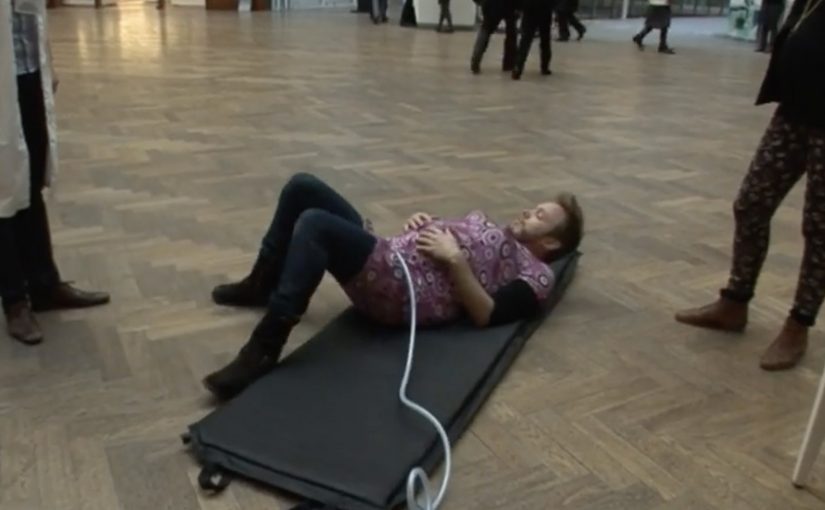
Young parents all over Belgium rely on Nutricia babyfoods every day. To support mums even before their baby is born, Duval Guillaume helped Nutricia create Baby Connection, an iPhone app designed to get dads more involved in the pregnancy.

Baby Connection works best when you use it as a couple. There is a mum version and a dad version, and everything each parent adds is automatically synced with their partner’s phone. The app can even transform two iPhones into one big screen.

A couples app that turns involvement into habit

The mechanism is simple and deliberate. Split the experience into two roles, then keep both roles in lockstep through syncing. Add a playful physical trick, two phones acting like one screen, to make “doing this together” feel tangible, not just promised.

In Belgian consumer brand building, support tools land best when they reduce friction for both parents and make the dad’s role practical, not symbolic.

Why it lands

This works because it shifts the conversation from “be more involved” to “here is exactly how”. Shared inputs, shared visibility, shared moments. The app design quietly nudges the couple into repeated check-ins, which is where involvement stops being intention and becomes routine.

Extractable takeaway: If you want two people to share responsibility, design the product so both can contribute in small ways, see each other’s contributions instantly, and feel like a team without extra coordination effort.

Launching an app with an experience, not a banner

The real question is how to make shared participation feel real before the baby arrives, not how to advertise another pregnancy app.

To launch Baby Connection, Duval Guillaume backed the app with a campaign designed to be as distinctive as the product itself, and to pull the idea into public conversation beyond the app store listing.

The stronger move is to market the shared behaviour the product enables, not just the app itself.

What pregnancy-support brands can borrow

  • Design for the couple, not the individual. Two roles, one shared narrative.
  • Make syncing the default. Shared visibility is the involvement mechanic.
  • Add one physical “together” moment. A simple device interaction can signal partnership better than copy.
  • Launch the product idea, not only the product. If the behaviour change is the point, market the behaviour.

A few fast answers before you act

What is Nutricia Baby Connection?

A paired iPhone app for expectant couples, with separate mum and dad versions that sync pregnancy updates and activities between both phones.

What is the core mechanism?

Two-role design plus automatic syncing, so both parents can add and see information without manual coordination.

Why does the “two iPhones as one screen” idea matter?

It turns a digital feature into a physical couple moment, reinforcing that pregnancy planning is shared, not solo.

What is the business intent behind this kind of app?

To support and deepen trust with parents before birth, by providing a practical tool that keeps the brand present in daily routines.

What is the most reusable lesson here?

If you want involvement from a second person, make contribution easy, feedback immediate, and shared progress visible.