Facebook integration at the Coca Cola Village

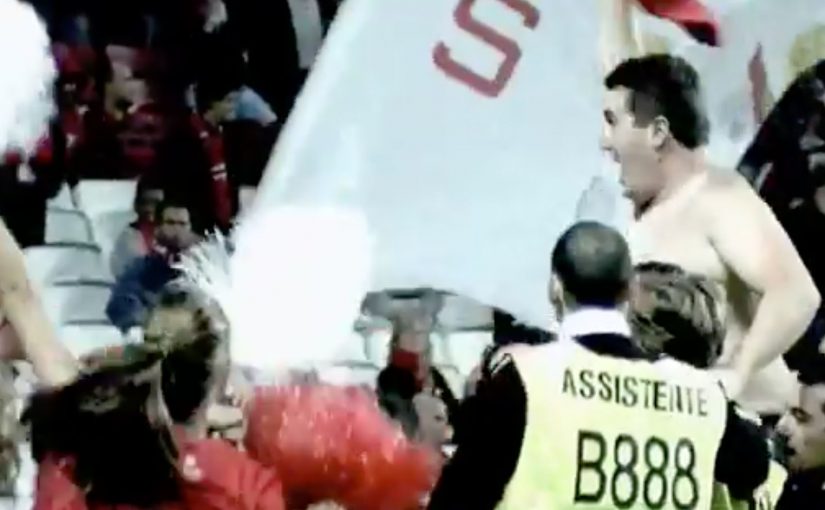
A teenager enters Coca Cola Village in Israel wearing a wristband that carries their Facebook credentials. Each time they swipe at an attraction, their Facebook status updates instantly with what they are doing. The village behaves like a live social feed, powered by real-world actions.

The activation. Turning an event into a live Facebook layer

Publicis (E-dologic) and Promarket develop an experiential event for Coca Cola Israel that syncs everyone who participates with their friends on Facebook in real time.

How entry works. Caps plus friends

The Coca Cola Village 2010 event runs through Facebook. Teenagers collect 10 Coca Cola caps, plus eight friends who do the same. After registering online through Facebook, they receive exclusive entry.

How the wristband works. Swipe to post, shoot to tag

At the Coca Cola Village, participants set up a special wristband designed to securely hold their Facebook login and password. Every swipe triggers an immediate status update about what they are doing at the event, keeping friends up to date as it happens. The wristband also enables automatic tagging of photos taken at the village.

The scale effect. When participation becomes publishing

The event holds 650 teenagers a day. With seamless Facebook integration, they generate 35,000+ posts per day across three days, totaling 100,000+ posts for the event.

Why this works. Social actions move from screen to space

This is what “integration” looks like when it is not a logo on a wall. The social network becomes a behavior layer inside the event. The wristband reduces friction, the swipe makes publishing physical, and the photo tagging closes the loop by spreading proof of participation back into the feed.


A few fast answers before you act

What is Facebook integration at the Coca Cola Village?
An experiential event in Israel where an RFID-style wristband connects on-site actions to real time Facebook posting and photo tagging.

How do people get access?
By collecting 10 Coca Cola caps and eight friends who do the same, then registering through Facebook for entry.

What does the wristband do?
It securely holds Facebook login details and posts instant status updates whenever participants swipe at attractions. It also enables automatic photo tagging.

What is the reported scale of social output?
650 teenagers per day, generating 35,000+ posts per day across three days for 100,000+ total posts.

What is the transferable pattern for brands?
Make social sharing an outcome of physical participation, not a separate step. Reduce friction and tie posting to clear, repeatable actions.

Old Spice: The Social Response Campaign

One body wash campaign that owned the conversation

This Old Spice case study takes us through the insight around targeting men and women at the same time to generate conversation around body wash. When it launched, the campaign managed to capture 75% of all conversations in the category.

To continue the success, Old Spice & Wieden + Kennedy created the next level, where Mustafa. Now a household hero. Engaged with the fans directly. The response campaign consisted of around 180 customized videos which engaged the fans directly. Thus it became the best social campaign ever to have been created.

Here are some stats of the campaign.

  • On day 1 the campaign received almost 6 million views (that’s more than Obama’s victory speech)
  • On day 2 Old Spice had 8 of the 11 most popular videos online
  • On day 3 the campaign had reached over 20 million views
  • After the first week Old Spice had over 40 million views
  • The Old Spice Twitter following increased 2700% (probably off a lowish base)
  • Facebook fan interaction was up 800%
  • Oldspice.com website traffic was up 300%
  • The Old Spice YouTube channel became the all time most viewed channel (amazing)
  • The campaign has generated 1.4 billion impressions since launching the ads 6 months ago
  • The campaign increased sales by 27% over 6 months since launching (year on year)
  • In the last 3 months sales were up 55%
  • And in the last month sales were up 107% from the social responses campaign work
  • Old Spice is now the #1 body wash brand for men

And without further a-due. The best social campaign ever.

The real shift: from broadcast to back-and-forth

The original idea did something rare. It spoke to men and women at the same time. Then it did the smarter thing. It treated the public reaction as the next creative brief. 180 customized responses turn attention into participation.

In FMCG categories where products are similar, a brand character plus high-volume two-way interaction can turn attention into a defensible advantage.

Why this still feels like a blueprint

Most campaigns stop when the film launches. This one starts there. When the character becomes a “household hero,” the brand gains a voice people want to talk to. The response layer makes the audience feel seen, not targeted.

What the numbers are really doing here

The stats are not just bragging rights. They are proof that conversation can move the entire system. Views, follows, site traffic, impressions, and ultimately sales. All tied to a campaign designed to travel socially.

What to steal from Old Spice’s playbook

  • Build for both sides of the purchase conversation. The user. And the influencer in their life.
  • Treat launch day as the start of the campaign, not the finish line. Plan the response layer.
  • Create a character and tone that can scale across dozens or hundreds of variations without losing recognition.

A few fast answers before you act

What was the core insight in this Old Spice campaign?

Target men and women at the same time to generate conversation around body wash, then use that conversation to fuel the next wave of content.

What made the “response campaign” different?

Mustafa engaged fans directly through around 180 customized videos, turning audience attention into two-way interaction.

What results did the post claim?

The post cites rapid view growth over the first week, large jumps in social following and interaction, major traffic increases, and significant sales lifts over months.

What is the core mechanic behind the success?

A launch film that sparks broad conversation, followed by high-volume personalized responses that keep the conversation accelerating instead of fading.

The Expendables: YouTube Takeover

This is the latest campaign element for the launch of The Expendables movie. A YouTube takeover that plays like an “interrupted interview” with Sylvester Stallone, where the film breaks into the page and turns the platform itself into part of the spectacle.

The fun is in the escalation. What starts like a normal promo interview quickly flips into a chaotic on-page moment, with the surrounding YouTube environment becoming the canvas for the film’s tone. It is not just a trailer. It is a takeover that behaves like a scene.

When the page is the stage

The mechanic is simple to understand and hard to ignore. The interview drives the narrative, but the “takeover” is the real payload. The experience makes YouTube feel temporarily owned by the movie, which is exactly what you want on launch week when everything competes for attention.

It also sidesteps the usual ad fatigue problem. People do not feel like they are being “served” something. They feel like they discovered a disruption, and discovery is what drives sharing.

In blockbuster entertainment marketing, interactive takeovers work best when they turn passive viewing into a moment of viewer participation that feels native to the platform.

Why interruption works better than interruption marketing

Most pre-roll is an interruption that people resent. This is an interruption that people watch because it is designed as entertainment first. The twist is that the platform is part of the joke, so the format is the message.

It also gives viewers a clean decision point. Keep watching because it is funny. Close it because you are not interested. Either way, the brand moment is delivered fast.

What the studio is really buying

The business intent is talkability at scale. A standard trailer competes with every other trailer. A takeover creates a story about the trailer. That distinction is what earns press pickup and social forwarding without requiring extra explanation.

What to steal for any launch with a short attention window

  • Make the format do the selling. If the medium changes, people lean in.
  • Build a one-sentence retell. “Stallone destroys YouTube during an interview” is easy to repeat.
  • Use escalation. Surprise, then bigger surprise, then payoff.
  • Stay platform-native. The takeover should feel like it belongs on that site, not pasted onto it.

A few fast answers before you act

What is a “YouTube takeover” in campaign terms?

It is a custom YouTube page experience that changes how the video and surrounding interface behave, so the platform itself becomes part of the creative, not just the player.

Why does the “interrupted interview” trope work so well?

Because it starts in a familiar format, then breaks the rules quickly. The contrast creates surprise, and surprise is the fastest path to attention and sharing.

What is the main advantage over running a normal trailer?

A normal trailer is content. A takeover is content plus a story about the content, which increases earned pickup and social forwarding.

What is the biggest risk with platform takeovers?

Annoyance. If the takeover feels forced, slow, or hard to exit, people turn against it. The experience needs to be quick, optional, and satisfying.

What should you measure for a takeover?

Completion rate, replay rate, and earned mentions. If people describe the mechanic accurately when they share it, the concept is working.