
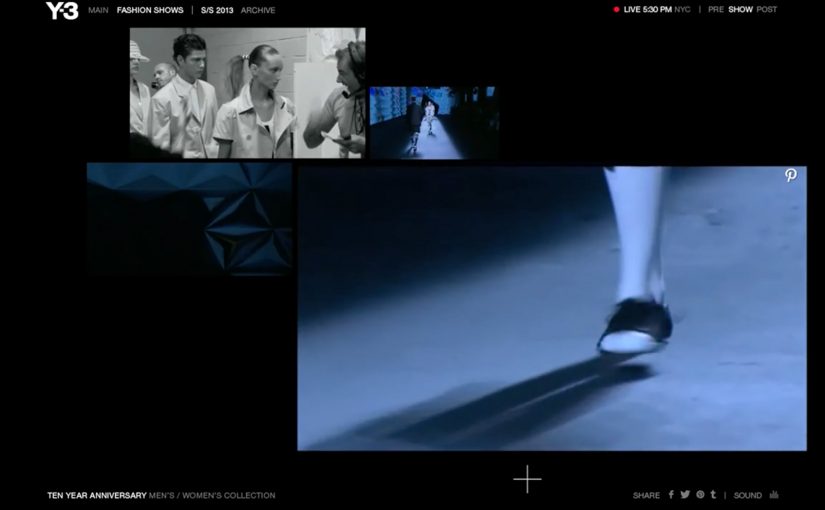
adidas Y-3 Interactive Live Stream

At New York Fashion Week in September 2012, adidas Y-3 revealed its Spring/Summer 2013 collection with an “Interactive Live Stream Experience” built by Acne Production. The online audience got four different runway views, could magnify one view without losing perspective of the show as a whole, and could pin each look to Pinterest.

Since 2010, I have noticed a steady increase in innovations at fashion shows around the world. This execution pushed that trend forward by treating the live stream itself as a designed product, not a passive camera feed.

The context. Y-3 at New York Fashion Week

The show marked the 10th anniversary of adidas’ partnership with Yohji Yamamoto. Athletes, celebrities, and fashion mavens gathered at St John’s Center, which was transformed by Dev Harlan’s 3D projections.

The experience. Four views, one zoomed, full context retained

Acne set up the live stream with four concurrent runway angles. The key interaction was control. Here, control means choosing which runway angle to enlarge while the rest of the show stays visible. Because viewers could focus on one angle without losing the full stage picture, the stream felt curated and intentional rather than fragmented.

Why Pinterest mattered in the flow

Pinning each look turned viewing into collecting. It captured intent at the moment of attention and let the audience take the show with them. One click turned a runway moment into a saved, shareable reference.

Extractable takeaway: When a live format lets people save individual moments without leaving the experience, attention becomes portable and the event keeps working after it ends.

In fashion and brand storytelling, the scalable advantage is not just reach, but designing a live moment so viewers can navigate it, keep pieces of it, and revisit it later.

The business intent is to turn fleeting runway attention into saved looks and shareable references without pulling viewers out of the live moment.

This is a stronger digital show model than a single passive camera feed because it turns viewing, collecting, and sharing into one connected experience.

The real question is how to turn a live stream from a one-time broadcast into a format that creates ongoing attention and reuse.

What fashion brands can lift from this

  • Give viewers control, not just a feed: Multiple camera angles plus a “magnify” interaction keeps a live stream feeling explorable, not passive.
  • Preserve context while zooming in: Let people focus on one view without losing the whole runway. That is the difference between browsing and watching.
  • Make curation the sharing mechanic: “Pin each look to Pinterest” turns the show into a personal collection that naturally travels beyond the event.
  • Use production craft as a multiplier: 3D projections and a transformed venue become part of the story, not just decoration, and they travel well in recaps.
  • Design for the afterlife of the live moment: The live experience creates assets and saved looks that keep circulating after the show ends.

A few fast answers before you act

What was the adidas Y-3 Interactive Live Stream?

It was a multi-angle live stream for the Y-3 Spring/Summer 2013 runway that let viewers zoom one camera view while still keeping the full-show context, and pin looks to Pinterest.

What was the core interaction pattern?

Multi-view streaming with user-controlled emphasis. Viewers chose what to focus on without breaking the narrative of the show.

Why did “keep context” matter in live streaming?

If zoom removed context, viewers felt lost. Keeping the full show visible preserved rhythm and made the experience feel like one coherent event.

Why add Pinterest at the point of viewing?

It turned attention into a saved action immediately. Instead of asking viewers to remember a look later, the stream let them collect it while interest was highest.

What is the practical lesson for digital show formats?

Design the stream like a product. Give the audience simple controls that match how they watch, and offer a frictionless way to save and share what they like.
Ford Escape Routes

Ford wanted to launch the new Escape in a way that would give people something they had never experienced before in branded entertainment. Billed as an industry first, Ford took the small screen to the second screen by combining TV with social media and mini-gameplay to create a prime time Social TV show called Escape Routes. Here, “second screen” means a synchronized phone, tablet, or laptop layer that runs alongside the broadcast.

Six teams took on daredevil stunts while enlisting online fans as Virtual Teammates (VTMs), whose real-time support helped determine who crossed the finish line each week. Viewers did not just watch. They participated, recruited, chatted, and played along, with the online layer shaping outcomes and amplifying the show’s moments.

How the mechanic works

Escape Routes is structured like a competitive reality series. The TV episode delivers the narrative and the physical challenge. The second screen delivers the leverage. Fans act as VTMs and influence teams through live participation, social activity, and interactive challenges running alongside the broadcast.

The “branded” part is not only the vehicle on screen. The product story gets embedded into the stunts, the travel, and the weekly goals, so the car becomes the enabling tool inside the format, not a separate ad break.

In mass-market automotive launches, Social TV formats can convert broadcast reach into participation, and participation into measurable signals of demand.

The real question is whether the second screen can change what happens on TV, not just what people do while watching.

This kind of format is worth building only when those contributions are visible, time-boxed, and tied to the episode’s stakes.

Why it lands

It gives people viewer control without asking them to leave the entertainment. Participation is optional, but the invitation is clear and time-boxed. If you want to help your team, you can. If you want to just watch the show, you still get a complete experience.

Extractable takeaway: Second-screen launches win when the extra layer stays inside the story and gives people a named role with consequences they can see.

It also creates a natural social engine. Teams are selected and rewarded for building a following, so they have an incentive to mobilize fans every week. That turns the audience into a distribution channel, not a passive rating.

What the brand is really buying

The business intent is pre-launch momentum at scale. A primetime run delivers reach. The second-screen layer delivers engagement, social lift, and a sustained reason to talk about the Escape over multiple weeks.

Ford’s own reporting at the time described the social buzz as exceeding benchmarks, including a reported 1,033% increase in @FordEscape Twitter followers and a 50% increase in Facebook Likes.

Later trade coverage around awards credited Escape Routes with broader volume metrics across the run, including 7.65 million viewers, 64 million Facebook impressions, more than 65,000 Facebook Likes, and 3.4 million incremental user-generated video views, alongside the claim that it boosted share of voice in the small SUV segment with large-scale social activity.

Steal this reach plus action pattern

  • Design a format where the audience can matter. If participation cannot change anything, it will not sustain across weeks.
  • Make the second screen additive, not distracting. Keep actions short, timed, and tied to moments people already care about.
  • Give participants a role name. “Virtual Teammates” is a simple identity hook that makes participation feel legitimate.
  • Build weekly arcs. Multi-episode structure creates repeat engagement and compounding social momentum.

A few fast answers before you act

What is a Social TV show in marketing terms?

A Social TV show is a broadcast format that is designed to be experienced with a second screen, where social participation and interactive actions are part of the content loop, not a separate campaign layer.

What does “second screen” mean here?

It means the viewer uses a phone, tablet, or laptop while watching TV, and that device provides live interactions like voting, mini-games, chats, or challenges that are synchronized to the broadcast.

Why do “virtual teammate” mechanics work?

They turn spectators into contributors. Helping a team win creates emotional investment, repeat behavior, and social recruiting, because your participation has a clear purpose.

What is the biggest failure mode of second-screen activations?

Over-complexity. If the interaction takes too long, needs too much explanation, or competes with the main story, people drop it and the second screen becomes noise.

What metrics matter beyond views?

Registration and repeat participation per episode, share of voice during airtime windows, audience conversion into followers or opted-in communities, and any downstream indicators tied to shopping intent.

LEGO: Happy Holiplay

Holiday attention built from imagination

The most effective holiday campaigns often turn the audience into the media. LEGO’s execution is a clean example of that approach.

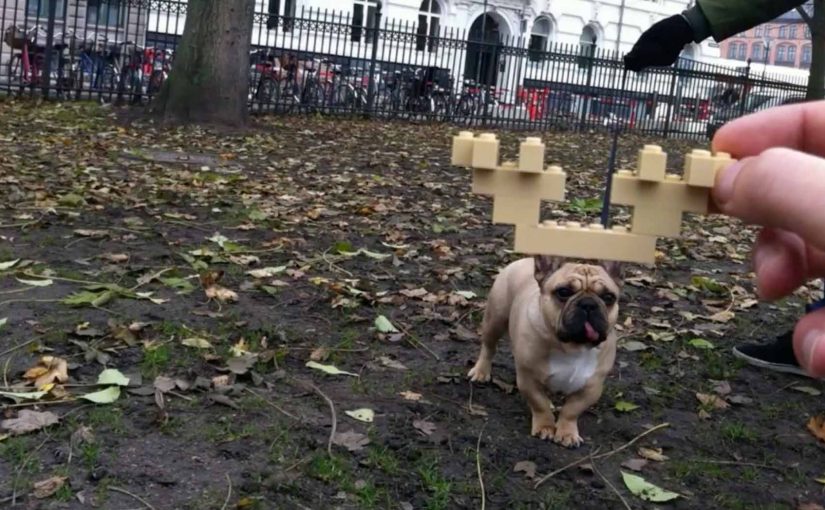
To create positive attention around the LEGO brand, a global digital social campaign challenged people to take their imagination with the well-known LEGO bricks one step further and share the results via digital media.

The campaign was dubbed Happy Holiplay and was run for three weeks. LEGO fans from 119 countries participated actively and uploaded pictures to www.happyholiplay.lego.com.

How Happy Holiplay worked in practice

The mechanism was community-powered. LEGO provided a clear prompt and a simple submission behavior. Build something imaginative with bricks, capture it, and share it digitally.

The campaign site acted as the collection point. The internet did the distribution. Every upload became both participation and promotion.

That loop matters because the content and the invitation travel together. Each creation nudges the next person to build and share.

In global consumer brands with strong fan communities, seasonal social campaigns work best when the participation loop is already native to the product and culture.

Why it landed for a global fan base

LEGO was naturally suited to participatory storytelling. The product already trained people to invent, remix, and share. Happy Holiplay did not try to manufacture behavior. It amplified what the community already loved doing.

Extractable takeaway: When your product teaches a repeatable creative habit, your job is to frame it with a simple prompt and a visible gallery, not to over-produce the story.

The holiday timing mattered too. December is a period when people are already in “make and share” mode, and when families have more reasons to create together.

The business intent behind Happy Holiplay

The goal was to generate positive brand attention during a competitive seasonal window by turning the community into the main media channel.

The real question is whether you can turn a seasonal moment into a repeatable participation loop, not whether you can publish more holiday content.

Rather than paying for attention, LEGO earned it by creating a platform for fan creativity, and by making participation feel like a celebration instead of a promotion.

If the behavior is not already native, a participation push will feel like work and the content will not compound.

What to steal for your next social campaign

  • Use a behavior that is already native to the brand. If the audience already creates, design the campaign around creation.
  • Keep the action simple. Build, capture, share. Low friction increases global participation.
  • Give the community a home base. A clear destination makes participation feel official and collectible.
  • Let contributors be the content engine. User-generated content (UGC) scales faster than brand-made assets when the prompt is right.

A few fast answers before you act

What was LEGO’s Happy Holiplay?

A global digital social campaign that invited fans to create imaginative LEGO builds and share them online.

How long did the campaign run?

It ran for three weeks.

How many countries participated?

LEGO fans from 119 countries took part and uploaded pictures to the campaign site.

Why did the campaign work so well for LEGO?

Because it amplified a natural LEGO behavior. Building and sharing creations. It aligned with the community’s existing motivations.

What is the key takeaway for other brands?

Design participation around an audience behavior you already own, then make sharing simple enough to scale globally.