
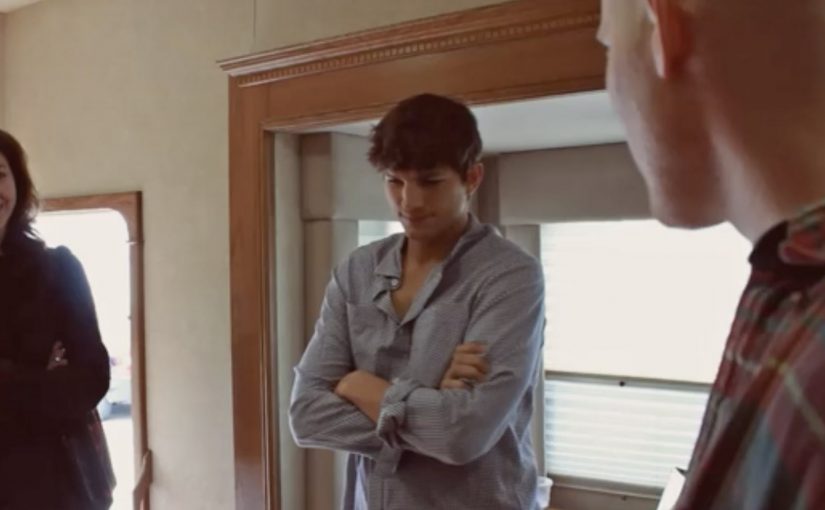
Berghs: Don’t Tell Ashton

Berghs: Don’t Tell Ashton

Berghs School of Communication students want the advertising industry to notice their Interactive Communication class, and they decide to prove it instead of claiming it. They build a Twitter-driven artwork where participation is “paid” with a tweet.

The rule is easy to understand and easy to repeat. Tweet to join the frame. The more followers you have, the bigger your photo appears in the final piece. One person has enough followers to dominate the entire artwork by himself, Ashton Kutcher, so the campaign dares the internet with a simple prompt: Don’t tell Ashton.

How the social currency mechanic earns attention

The mechanism turns a social signal into a visible design system. Followers become “value”. Value becomes size. Size becomes status inside the artwork. Because the output is a single shared object, every participant has a reason to bring in more participants, and every new tweet is both payment and distribution.

In global creative education and talent recruiting, showing capability in a format that naturally spreads can outperform any brochure-style message about what you teach.

Why it lands

It uses a clean, game-like inequality that people instinctively understand. Bigger accounts get bigger presence. Smaller accounts still get in. The Ashton constraint makes the whole thing feel fragile and urgent, because one “wrong” tweet could ruin the artifact. Because the rule turns status into a visible outcome, people instantly understand why participation matters and why the object keeps spreading. That tension becomes the hook that keeps the story moving.

Extractable takeaway: If you want participation to scale, turn one simple social metric into a visible stake inside a shared outcome. Then add a single constraint that makes the outcome feel at risk.

What this is really doing for the program

This is a recruitment campaign disguised as an internet object. The artwork is the portfolio piece, and the spread is the proof that the makers understand how digital behavior works in the wild. The more people talk about the object, the more the school’s program name travels with it.

The real question is whether the program can turn its digital thinking into an object the industry wants to notice, share, and remember.

What to steal from the participation mechanic

  • Build one object people want to join. Collages, maps, frames, and leaderboards make participation legible.
  • Convert a metric into meaning. Followers, contributions, referrals, and time can become “materials” in the output.
  • Make the story retellable. If the rule cannot fit in one sentence, distribution collapses.
  • Add one constraint that creates urgency. A single “if X happens, we lose” condition can be enough.

A few fast answers before you act

What is the core idea of Don’t Tell Ashton?

A Twitter-built artwork where a tweet buys you a spot, and your follower count determines how large your portrait appears in the final piece.

Why tie portrait size to follower count?

It turns a social metric into a visible stake. That makes participation competitive, shareable, and instantly understandable without explanation.

What role does Ashton Kutcher play in the story?

He is the “edge case”. As the most-followed account in the story, one tweet from him could overwhelm the entire artwork, which gives the campaign its tension.

What makes this more than a clever stunt?

It demonstrates a transferable skill. Designing a mechanic where participation and distribution are the same action.

Why does this work better than a normal student showcase?

It makes the audience prove interest through participation. That produces evidence of relevance, not just a claim that the class understands interactive communication.
Zoo Records: Hidden Live

Zoo Records: Hidden Live

Thousands of Hong Kong’s alternative music fans crave the raw energy, focus, passion, and participation of a live performance. Zoo Records faces a simple challenge. How do you bring that live experience directly to the fans.

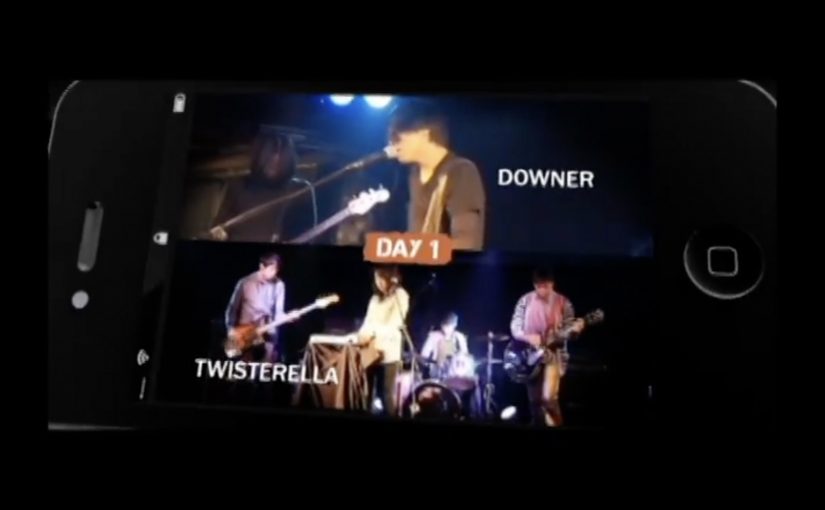
With Leo Burnett Hong Kong, Zoo Records creates “Hidden Live”, billed as a live mobile music festival. Eight indie bands perform across four nights, but the “venue” is not a stage. It is your phone. Tickets contain a hidden code. Scan it and your device becomes the gateway to the gig. Viewers can interact with bands in real time and even buy albums directly through mobile.

The mobile-ticket mechanism

The mechanic is a controlled unlock. In practice, that means entry depends on a visible code that changes the phone from passive screen to active venue. Free tickets are released shortly before each show, and the hidden code on the ticket is the key. Because the code makes entry feel earned and visible, the phone starts to behave like a venue rather than just another media player, which gives people a clearer reason to share and join. A friend’s device is not just showing a clip. It is hosting a live event.

In high-density cities where culture travels through phones first, turning personal devices into venues can scale live experiences beyond physical capacity.

Why it lands

This works because it keeps the emotional core of live music while removing the usual bottleneck. Venue size. Queue friction. Location limits. It also builds interactivity into the experience, so fans feel present rather than merely watching, and the album-buying layer makes the moment commercially useful without interrupting the performance.

Extractable takeaway: If your audience is starved of access, design an “unlock” that turns their existing device into the venue, then attach real-time interaction and a low-friction purchase path to the same moment.

What Zoo Records is really doing

The real question is how to make mobile access feel like attendance, not just distribution. The visible goal is to bring indie live energy to fans. The strategic goal is to convert participation into retail outcomes. Discovery that leads straight to purchase, while the scene still feels authentic. The campaign’s language is about “hidden” culture becoming reachable, and the mechanism makes that promise concrete.

The smart move here is making access itself part of the performance, not treating mobile as a secondary channel.

What to steal from Hidden Live

  • Make access the headline. Do not market “content”. Market the ability to enter something live.
  • Use a key people can show. Codes, tickets, and unlock moments create status and sharing.
  • Design interactivity on purpose. Real-time touchpoints turn viewing into participation.
  • Attach commerce to peak emotion. If buying is one tap while the set is live, it feels like support, not an upsell.

A few fast answers before you act

What is “Hidden Live”?

A Zoo Records campaign where live indie performances are unlocked via mobile by scanning a code on a ticket, turning phones into the concert venue.

Why use ticket codes for a mobile experience?

Codes create scarcity and a ritual. They also provide a simple, visible unlock moment that fans can share and explain quickly.

What makes it feel like a festival rather than a stream?

Scheduled live sets across multiple nights, real-time interaction with bands, and a shared participation loop around access and attendance.

How does the campaign connect to sales?

By letting fans buy the performing bands’ albums directly through mobile while the performance is live.

When is this pattern most useful?

When demand exceeds physical capacity, when fans already behave mobile-first, and when you can make access feel exclusive without making it complicated.

Google Maps Racing Advergame

Google Maps Racing Advergame

Mini France has managed to successfully offer a virtual Mini experience with the help of a Social/Google Maps mash-up advergame called “Mini Maps”. Here, advergame means a branded game that turns the marketing idea into the experience itself.

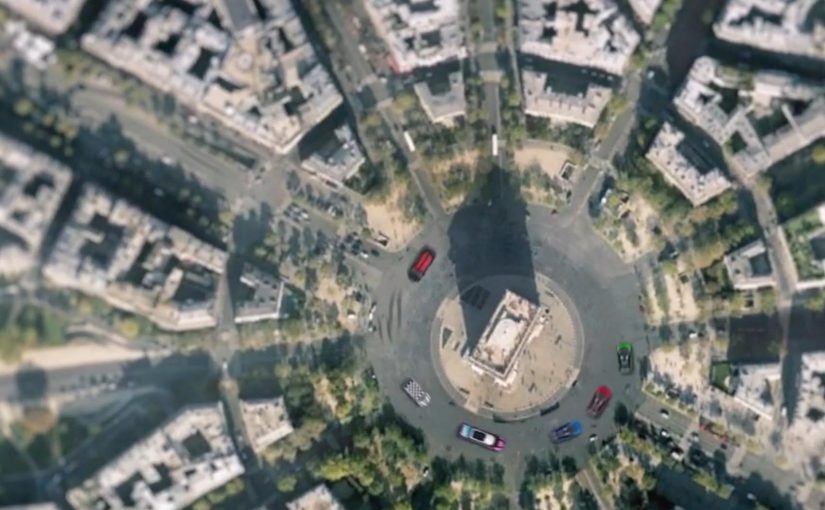
With DDB Paris and Unit9 they created a Facebook app that lets you customize a virtual Mini and then challenge Facebook friends to time trials around the world through Google Maps. In the challenge you are racing your friends over satellite images of your favorite locations around the world!

Why this works

  • The idea is instantly graspable. Customize your Mini. Pick a place. Race the clock. Challenge friends.
  • Google Maps is not a backdrop. The satellite layer becomes the playable surface, which makes every track feel personal.
  • Social competition is built in. Time trials make it easy to compare performance without complex multiplayer setup.

In interactive brand marketing, the scalable advantage comes when a familiar platform becomes part of the mechanic, not just part of the media plan.

What this signals for interactive brand experiences

The real question is not whether a brand can borrow a popular platform, but whether the platform becomes the mechanic that makes the brand memorable. The strongest move here is that Google Maps is not a skin around the idea. It is the idea in use. That matters because location becomes the hook, customization becomes the commitment step, and friendly competition becomes the retention loop, meaning the simple reason people come back and play again. This gives the brand repeat interaction instead of one-time exposure.

Extractable takeaway: When the platform supplies the play mechanic, the brand experience feels more native, more personal, and easier to revisit with friends.

What to steal for map-based social games

  • Use real places as the content. When the track is a familiar location, the hook is instant and personal.
  • Make competition the retention loop. Time trials against friends give players a reason to come back and improve.
  • Keep customization lightweight but expressive. A few visible choices are enough for ownership without slowing play.
  • Build the platform into the mechanic. If Google Maps is the story, the experience should demonstrate it, not just reference it.

A few fast answers before you act

What is “Mini Maps”?

“Mini Maps” is a Facebook advergame for Mini France that combines social sharing with Google Maps to create location-based time trial races.

What does the viewer actually do?

You customize a virtual Mini and then challenge Facebook friends to time trials across Google Maps locations, racing over satellite imagery.

Why is Google Maps central to the experience?

Because it provides the world itself. The satellite view turns real places into tracks, which makes the challenge feel more personal and replayable.

What is the reusable pattern here?

Start with a concrete action, move to a simple challenge mechanic, then let social competition drive repeated return visits.

What should brands copy from this model?

Use a platform feature as the core mechanic, keep the player action simple, and add a lightweight social challenge that gives people a reason to come back.