The Ikea 365 Campaign

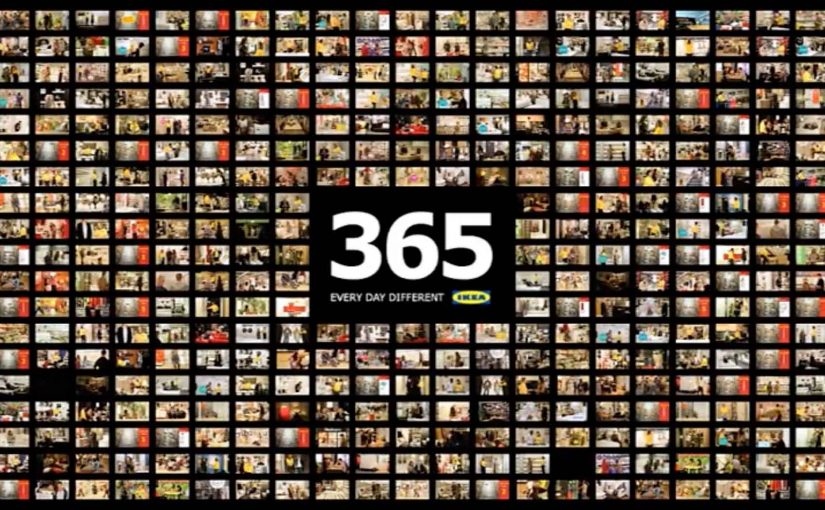
Ikea shows its versatility by doing something most brands never attempt. A different commercial every day. Lemz Amsterdam sends out a new spot daily for 365 days.

How they make it possible. Production volume and distribution

To keep pace, the team produces 15 commercials in a day. That buffer keeps them ahead of schedule so they can deliver daily ads that feature online and appear randomly across TV stations.

The case study film

This is the case study film of the campaign, which continues today.


A few fast answers before you act

What is the Ikea 365 Campaign?
A campaign where Ikea runs a different commercial every day for 365 days.

Who creates it?
Lemz Amsterdam.

How do they keep up with daily output?
By producing 15 commercials in a day, creating a buffer so daily publishing stays consistent.

Where do the ads run?
Online and randomly across TV stations.

What is the core idea it proves?
Versatility, shown through relentless variety and sustained daily delivery.

KLM Surprise

KLM launched a great Social Media Customer Engagement campaign which involved monitoring people who check in via foursquare for flights or tweet about waiting to board the next KLM service, and they called it “KLM Surprise” as their aim was to bring random surprises and happiness to the boring wait for flights.

Once the customer was chosen for the KLM Surprise, the team would then come up with the perfect (small) gift based on the customers various social networking profiles. The gift would then be hand delivered to the surprised customer at the airport gates.

Greeting your customers and thanking them for visiting your business after they’ve checked in is, of course, a best practice for any company using foursquare, but KLM Surprise takes it to a whole new level. The personal touch that’s exhibited through each of the interactions shows that the KLM team is really looking to make peoples days while they’re traveling, and that goes a long way to “spreading happiness”.

Live interactive billboard against agression

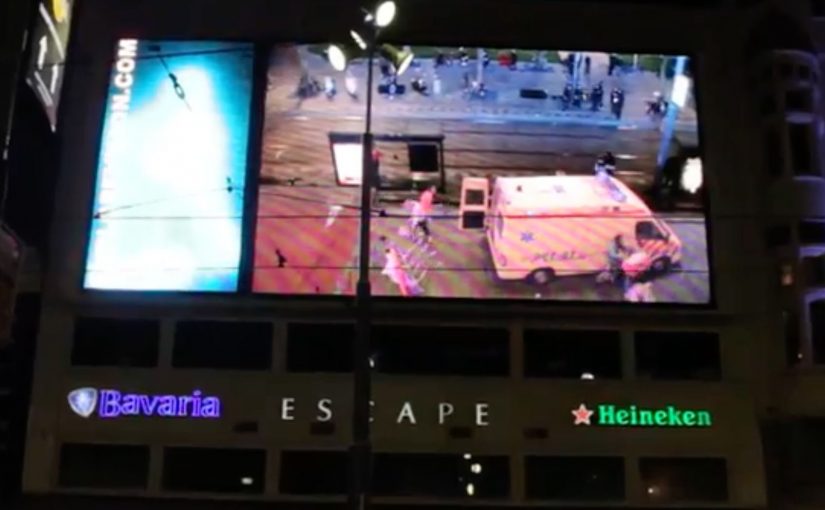
You walk past a giant outdoor screen in Amsterdam or Rotterdam and suddenly find yourself inside a street-violence scenario. Public service employees in the Netherlands face aggression and violence on the streets more and more often. Onlookers unfortunately do not intervene often enough when they encounter a situation like this. A live interactive billboard places people in a similar situation and confronts them with their inactivity.

What the billboard is designed to trigger

This is not entertainment. It is a public-awareness intervention. It puts the bystander role on display and forces a moment of self-recognition. If you do nothing, you see yourself doing nothing.

How the “live” effect is created

The experience blends previously recorded footage with a live street feed, so passers-by feel like the scenario is happening in their space, with their presence in the frame.

Why this works as a behaviour nudge

Most campaigns talk at people. This one involves them. It turns an abstract social issue into a personal moment, right where daily life happens, and that shift from observer to participant is what makes the message stick.


A few fast answers before you act

What is this interactive billboard trying to change?

It targets bystander inaction. It makes people aware of how often they do not intervene when witnessing aggression and violence against public service employees.

Why use “live” interaction instead of a normal poster?

Because the live element increases personal relevance. When people recognise themselves in the situation, the message becomes harder to dismiss as “someone else’s problem”.

What is the core mechanic in one line?

A staged violence scenario is combined with a live feed so passers-by see themselves present in a situation that calls for action.

When is this approach appropriate for brands or public bodies?

When the goal is behaviour change, not awareness alone, and when the topic is serious enough that participation creates reflection rather than trivialisation.