
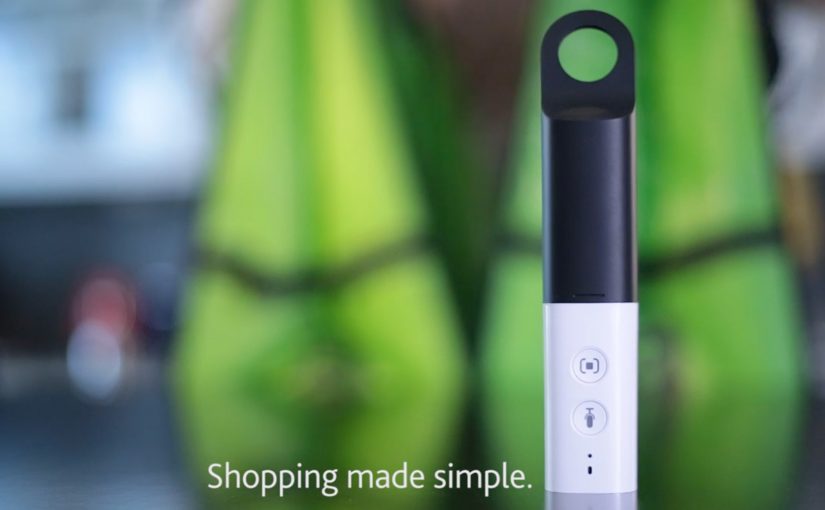
Amazon Dash. When Commerce Becomes a Button

A tiny button that quietly changes how buying works

When Amazon introduces Dash, it does not look like a revolution. No screens. No interfaces. No checkout flow.

Just a small physical button. One press. Reorder complete.

At first glance, Amazon Dash can feel like a gimmick. But in practice, it signals something more fundamental. A deliberate attempt to remove shopping itself from the act of buying.

What Amazon Dash does

Amazon Dash is a physical, Wi-Fi-connected button linked to a specific household product. Detergent. Coffee. Pet food. Batteries.

You place it where the need happens. On the washing machine. Inside a cupboard. Near the dog food bowl.

When you run out, you press the button. Amazon handles the rest.

No browsing. No comparison. No cart. No second thought.

The real innovation is not the hardware

The button is not the story.

The real shift is intent compression.

Amazon is asking a provocative question. What if reordering does not feel like shopping at all?

Dash collapses multiple steps. Need recognition. Product selection. Payment. Fulfillment. Into a single physical action.

That move reframes commerce from a conscious decision into a habitual reflex.

Why this matters more than voice right now

Before voice assistants become mainstream, Dash pursues the same ambition through hardware.

No interface is the interface.

This is Amazon experimenting with a future where convenience beats choice. Where loyalty replaces discovery. Where the best experience is the one you barely notice.

Seen from that angle, Dash is less about buttons and more about locking demand upstream, before competitors even enter the consideration set.

A signal to brands, not just consumers

For brands, Amazon Dash carries a subtle but powerful message.

If you win the button, you win the household. If you lose it, you disappear from the moment of need.

Traditional branding competes on shelves and screens. Dash shifts the battlefield into kitchens and cupboards. Physical presence becomes digital dominance.

Distribution is no longer only about visibility. It is about defaultness.

Why Dash feels uncomfortable and that is the point

Dash also triggers unease.

Accidental orders. Reduced price transparency. Loss of conscious choice.

Those concerns are real. They highlight what Amazon is testing. How far consumers are willing to trade control for frictionless convenience.

Dash is not only designed to sell buttons. It is designed to teach Amazon something about behavior, habit, and reorder economics.

What Amazon Dash reveals about the direction of commerce

Even if Dash remains a niche device, the logic behind it is bigger than the hardware.

Commerce is moving toward:

  • Fewer decisions
  • Fewer interfaces
  • More automation
  • Stronger platform gravity

Dash is an early manifestation of a broader shift. Buying becomes less visible. Consumption becomes more continuous. Loyalty becomes infrastructural.


A few fast answers before you act

Is Amazon Dash “just a button”?
It is a button plus a new operating model for reordering.

What consumer problem does it solve?
It removes friction at the exact moment a household runs out.

Why should brands pay attention?
It changes the fight from “win the shelf” to “become the default.”

Why this story matters right now

Amazon Dash is best understood as a prototype of a mindset.

A belief that the best customer experience is the one that disappears. A conviction that convenience can become a moat. And a reminder that big shifts often arrive looking insignificant.

Sometimes, the future of shopping is just a button on a wall.
Durex Fundawear

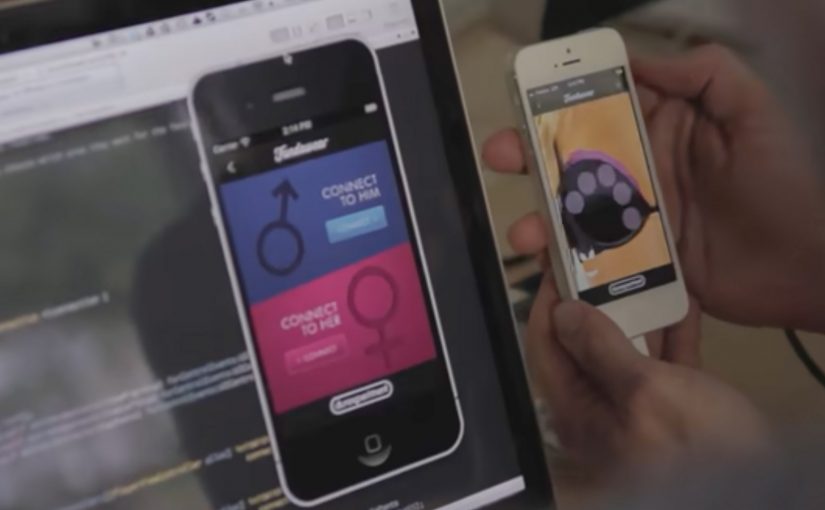
If t-shirts can be digitised, then why can’t underwear. Durex Australia has unveiled “Fundawear”, billed as a first-of-its-kind wearable electronic underwear concept that allows touch to be transferred over the internet while maintaining comfort, sexiness and flexibility. The idea is simple. People in long-distance relationships can tease, tickle and tantalise even when apart.

To replicate the nuances of touch, each garment houses touch technology that connects with a real-time server to communicate between touchscreen devices and the garments. Interaction happens through a smartphone interface, translating inputs into sensation on the connected wearable.

A prototype that behaves like a campaign

What makes this work stand out is the choice to launch as an experiment, not a finished product. Fundawear is framed as a prototype, which gives the brand permission to be bold, invite participation, and trigger debate, without pretending the tech is already mainstream.

It also shifts the job of the communications. Instead of persuading people that “remote touch” is a good idea, it makes people imagine use cases. That imagination is the marketing engine.

How the technology story earns attention

The campaign leans on a clear mechanism. Touch input on a phone maps to specific zones, then the garment responds, creating a feedback loop that feels like a live connection rather than a delayed message.

When wearable technology is explained this clearly, it stops sounding like science fiction and starts sounding like an interface decision. That is when people share it.

In consumer innovation marketing, the leap from novelty to adoption happens when a physical interface makes a digital promise feel immediate, controllable, and consent-led.

Distribution strategy: invite the internet to co-author the idea

Fundawear is described as still in the experimental stage, with no confirmed release date at the time. But Durex uses that uncertainty as a hook. If you provide a creative reply to “How would you use Fundawear with your partner?” at the Durex Facebook page, you might win a free prototype.

That is a smart move. It turns the public into contributors, and it generates word of mouth that carries the concept further than a conventional product launch could.

What to steal if you are launching an unfamiliar product concept

  • Prototype publicly. Experiments can travel faster than “finished” products because people argue, imagine, and remix.
  • Explain the mechanism in one breath. If the audience cannot repeat how it works, they will not share it.
  • Design for participation. A prompt like “how would you use it?” converts curiosity into content.
  • Keep the tone playful, not clinical. For intimate categories, playfulness lowers the barrier to talk about it.

A few fast answers before you act

What is Fundawear, in plain terms?

Fundawear is an experimental wearable concept from Durex Australia. It pairs smart underwear with a smartphone interface so a partner can send touch inputs over the internet in real time.

What kind of technology does it rely on?

It relies on wearable haptics, meaning small actuators in the garment respond to signals from an app. A server connection synchronises inputs between two partners’ devices and garments.

Why launch a prototype instead of waiting for a finished product?

Because a prototype creates permission to experiment, earn press, and test cultural appetite. It also turns uncertainty into participation, which can generate more talk than a polished launch.

What is the biggest brand risk with intimate wearable tech?

Trust. The concept has to feel safe and consent-led, and the communication has to avoid any hint of surveillance or misuse. If trust breaks, the idea becomes a cautionary tale.

What is the core marketing lesson from Fundawear?

When the product is unfamiliar, the first job is not persuasion. It is making the mechanism and the imagined benefit instantly understandable, so people do the distribution for you.

Tokyo Shimbun AR Reader App

Connected devices such as smartphones and tablets have contributed to an explosion in digital media consumption. As these devices gain adoption, print newspapers around the world are seen suffering from declining readership and revenue. To combat this the Tokyo Shimbun along with Dentsu Tokyo came up with a new way to connect with readers. An Augmented Reality Reader app was created that brought to life the newspaper by overlaying educational versions of the articles for kids.