Singles Finder App

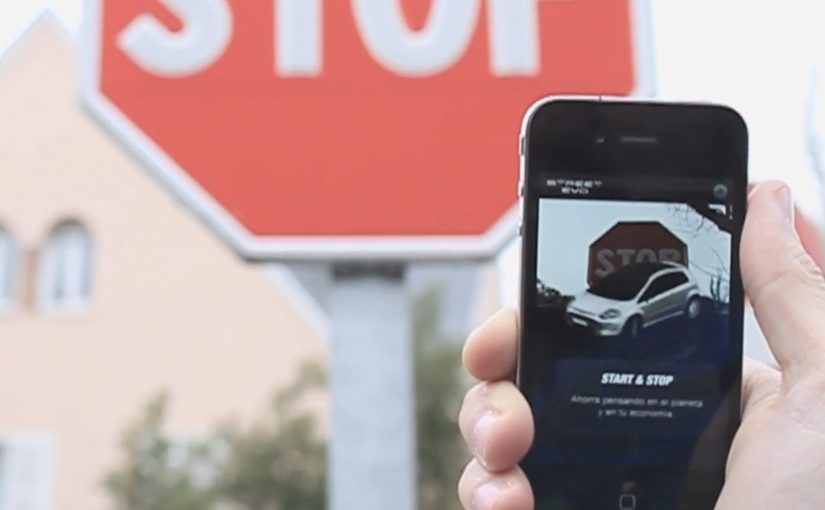
Ogilvy Interactive has developed a “Singles Finder App” for Zonacitas.com, a major Argentinian dating portal. Their concept was simple…”Love is out there. If we get organized, there’s plenty for all”.

With Buenos Aires being one of the cities with the best nightlife in the world, having thousands of bars, discos and pubs to choose from can be a problem. All these options make it difficult to find and meet single men and women. With the “Singles Finder”, a free Smartphone App for the iPhone, users were able to get the exact amount of single prospects in each location. The best part was that they knew where to go well before.

AR Cinema: London Movie Scenes on iPhone

Turn London into a living movie map

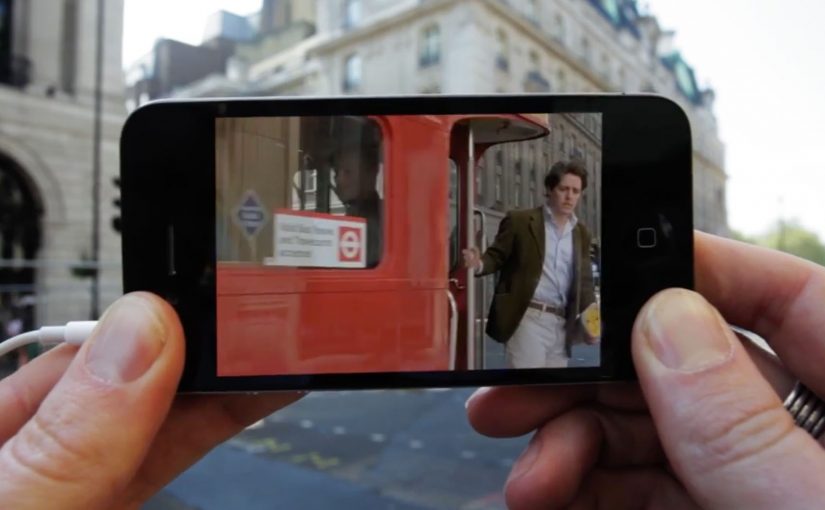
The Augmented Reality Cinema app for the iPhone allows you to walk around London and discover all the places where movies have been shot. Just point your iPhone in the direction of a sweetspot and get a replay of the movie scene that was shot there.

The app is currently a work in progress prototype. But if and when it does see the light of day, I am sure it will make a great gizmo for all the movie buffs out there.

The magic is not AR. It is time travel

The clever part is the juxtaposition. You stand in the real location. Then you pull the filmed moment back into that exact space. That overlap between “here” and “then” is what makes the concept feel instantly shareable and instantly fun.

In city exploration experiences, the strongest mechanics turn real-world wandering into a lightweight mission with an instant payoff.

Why this fits the way people explore cities

It turns wandering into a mission without forcing a route. You move naturally, and the city rewards curiosity with a scene. That is a strong mechanic for tourists and locals alike because it makes discovery feel personal.

What this prototype is really aiming for

A new kind of location-based entertainment. Part guided walk, part trivia, part nostalgia. Built around the simplest action. Point. Watch. Move on.

What to steal if you build AR experiences

  • Anchor the experience to real places people already want to visit.
  • Give the user one simple gesture that unlocks the payoff. Point and replay.
  • Use “before vs now” contrast as the hook. It creates emotion without heavy storytelling.

A few fast answers before you act

What does the Augmented Reality Cinema app do?

It lets you walk around London, point your iPhone toward a location “sweetspot,” and replay the movie scene filmed there.

Is the app available?

The post describes it as a work-in-progress prototype.

Who is it for?

Movie buffs and anyone who enjoys exploring film locations while walking the city.

What is the core mechanic?

Location-based discovery paired with an AR replay that overlays a movie scene onto the real place where it was shot.

Budweiser: Ice Cold Index

Weather obsession turned into a price lever

In Irish consumer marketing, few cultural triggers are as universal as the weather. Budweiser used that everyday obsession to turn attention into action at the pub.

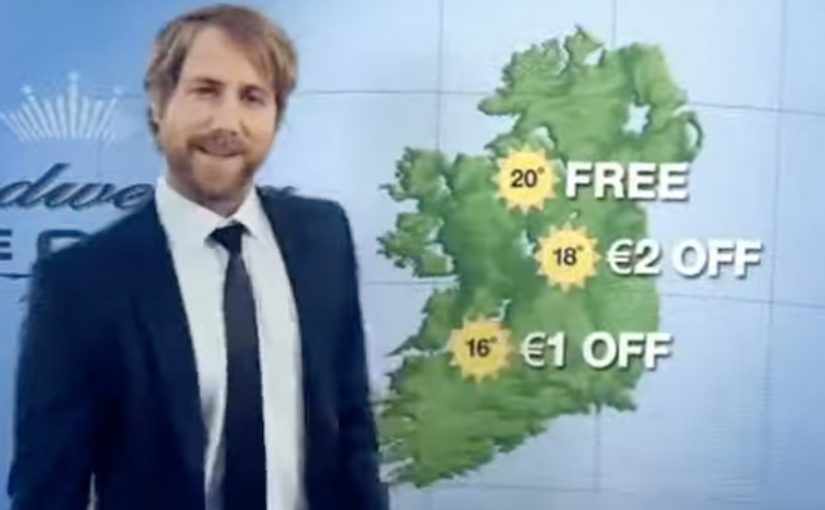
Irish people have always been fascinated by the weather, but their interest is set to reach new heights this summer with the launch of the Budweiser Ice Cold Index.

The Budweiser Ice Cold Index app is set to show you the local weather, then spit out redemption codes for free or discounted beer at nearby participating pubs. The higher the temperature, the less you will pay for your pint.

How the Ice Cold Index mechanic worked

The mechanism is simple. Combine three inputs into one immediate reward: location, temperature, and a redeemable code.

The app checks local weather. It then generates a redemption code tied to nearby participating pubs. Price sensitivity is built into the rule set. As temperature rises, the customer’s price drops.

That turns “checking the weather” into “moving into the selling space”.

Why the offer feels timely, not forced

It lands because it connects to a real moment of intent. Warm weather increases thirst and increases pub footfall. The offer arrives at exactly the time the customer is already considering a drink.

It also feels fair and transparent. The rule is easy to understand. Hotter day equals cheaper pint. That clarity reduces skepticism and makes the incentive feel like a natural extension of the context.

The business intent behind linking price to temperature

The intent is to convert ambient interest into measurable behavior.

By tying discounts to local conditions, the brand creates a reason to choose a participating pub now, not later. It also encourages repeat checking and repeat visits, which is where loyalty accrues in practice.

What to steal from the Ice Cold Index

  • Attach the incentive to a context signal. Weather is a shared trigger that makes offers feel relevant.
  • Use a rule people can explain in one sentence. Clarity increases trust and redemption.
  • Move people into the selling space. The best mobile incentives reduce distance between intent and purchase.
  • Design for repeat behavior. If the offer updates with conditions, customers have a reason to come back.

This app literally moves people into the selling space, provides refreshment, and so it should gain some loyalty points with customers as well. Too bad it is only in Ireland.


A few fast answers before you act

What is the Budweiser Ice Cold Index?

A mobile app concept that shows local weather and generates redemption codes for discounted drinks at nearby participating pubs, with discounts increasing as temperature rises.

What was the core mechanism?

Dynamic pricing driven by weather conditions, delivered through location-aware redemption codes for nearby pubs.

Why does tying price to temperature work?

Because it aligns with real-world demand. When it is warmer, people are more likely to buy a cold drink, and the offer feels timely rather than random.

What business goal does this support?

Driving footfall to participating pubs, increasing redemption rates, and encouraging repeat engagement through an offer that changes with conditions.

What is the transferable takeaway?

Use a shared context trigger to make incentives feel natural, then deliver a simple, redeemable action that moves people into purchase.