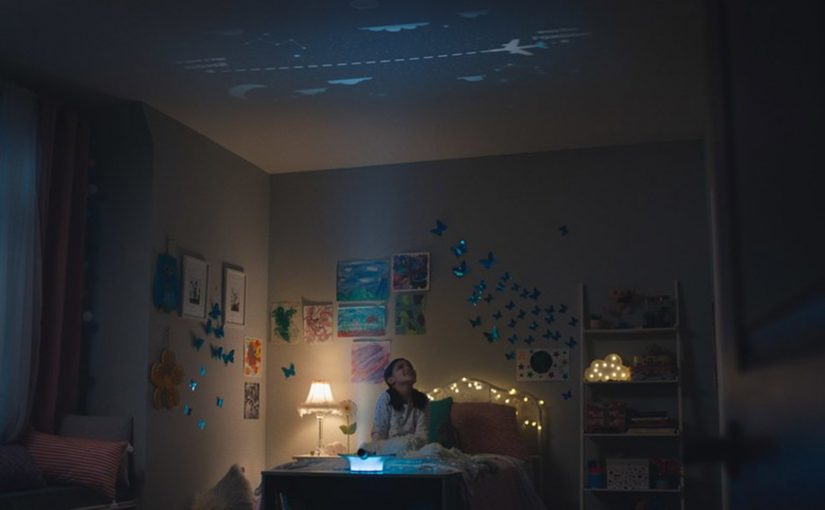
WestJet creates a small device with a big emotional job. WestJet Flight Light is a nightlight that uses live flight data to project a parent’s WestJet flight path onto a child’s bedroom ceiling, turning the wait into a visual, interactive countdown of hours and minutes until the parent returns.
In airlines and other service businesses, more brands move beyond selling a product and start designing convenience services that drive repeat usage and loyalty by solving real-life friction.
By convenience services, I mean a branded layer that uses operational data to make a recurring job easier for the customer.
Here, the friction is business travel. WestJet wants frequent travellers to pursue work opportunities without losing connection with the people waiting at home. Flight Light makes the journey feel present. Not abstract.
Sometimes, taking care of our guests means taking care of the people they love. Introducing the WestJet Flight Light: a nightlight that projects the flight path of a parent’s journey onto their child’s bedroom ceiling. https://t.co/rVm2DnDBd1 pic.twitter.com/Fuy3SgzI0H
— WestJet (@WestJet) June 6, 2019
Why the concept works
The power is not the hardware. It is the experience design. A child’s instinct is to count down. Flight Light makes that countdown tangible and playful by projecting the route in the place where bedtime routines already happen, which turns waiting into anticipation.
Extractable takeaway: If you can turn operational data into a repeatable ritual in the customer’s real environment, you create loyalty that feels like care, not marketing.
The service logic
This is a brand service that behaves like a product. A brand service is a repeatable utility that makes the brand part of a real-life routine. Live flight data becomes a family connection layer. The airline becomes part of the at-home story, not just the transport provider.
The real question is whether your operational data can earn a role in the customer’s routines, not just inside your app.
Brands should treat data as experience material when it reduces anxiety or effort in a moment that already exists in the customer’s life.
Beta-testing and what it signals
WestJet says a prototype of Flight Light exists, with beta testing scheduled to begin later this year. That is the bridge between a cute concept and something that can be operated, supported, and scaled.
Borrowable moves from Flight Light
- Start with a real-life routine. Bedtime already has attention and emotion. Place the experience there.
- Use operational data as story material. Flight status becomes a shared narrative the family can follow.
- Make the countdown visible. Turn “when are you home?” into a simple, comforting visual progression.
- Design for repeat trips. The value compounds when the service works the same way every time the parent travels.
A few fast answers before you act
What is WestJet Flight Light?
A nightlight concept that uses live WestJet flight data to project a parent’s flight path onto a child’s bedroom ceiling as an interactive countdown to their return.
Who is it designed for?
Business travellers and frequent flyers with families, especially parents who travel regularly for work.
What is the core experience design move?
It turns live flight status data into a comforting, visible bedtime ritual that makes the trip home feel real and close.
What problem is it solving?
It reduces the emotional friction of business travel by making a parent’s trip home visible and countable during a child’s bedtime routine, instead of feeling distant and abstract.
Why is it a brand service, not just a gadget?
The value comes from turning live flight data into an at-home experience a family can reuse on every trip. The nightlight is the interface. The service is the connection layer.