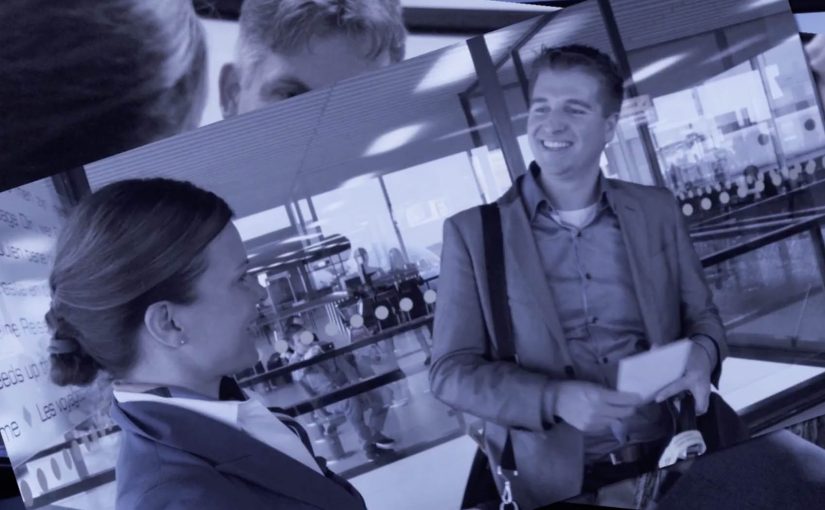
Most brands use social channels tactically, mainly to reach people with social ads. KLM takes a different route by turning social into a flight feature, not just a media channel.
Last year KLM announced it would launch a social seating service in 2012 that lets Facebook and LinkedIn users meet interesting passengers on their flight.
From social graph to seat map
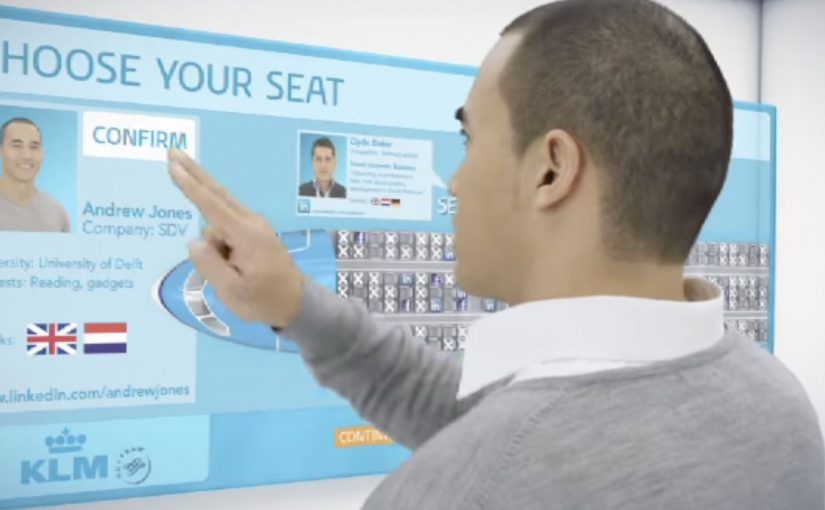
The mechanism is opt-in. Passengers can link a Facebook or LinkedIn profile to their booking, view other participating passengers, and use that context to decide who they might like to sit near. Instead of “broadcasting” brand messages, KLM uses social signals to make the journey feel more connected and a little less anonymous.
In global airline customer experience, social features only earn their place when they reduce travel friction while keeping passenger comfort and control intact.
Why this goes beyond advertising
The real question is whether your “social” idea earns a place inside the core workflow, or stays a bolt-on marketing layer.
This is not a campaign that ends when the media stops. It is a product layer that sits inside the booking and seat-selection experience. That matters because the value is practical. The idea helps solo travelers find relevant people. It helps professionals spot peers. It helps conference-goers connect before landing.
What makes the idea feel safe enough to try
The service is framed as voluntary. You choose to participate, and the experience only works if passengers trust they can opt in, opt out, and keep the interaction lightweight. That balance is the difference between “novel” and “creepy”, especially when your setting is an enclosed cabin for many hours.
Extractable takeaway: If a feature touches identity inside a captive environment, design for clear consent, easy exit, and low-pressure interaction first.
Where it is live, for now
Meet & Seat has now gone live and is currently available on KLM flights between Amsterdam and New York, San Francisco and São Paulo. The stated intent is to extend the service to other sectors over time.
Steal this pattern for social utility
- Turn social into utility. A social feature that solves a real moment beats social content that asks for attention.
- Make it opt-in by design. Voluntary participation is how you earn trust for anything identity-adjacent, meaning tied to real identity or profile data.
- Embed it in a workflow. Booking and seat selection are high-intent moments where new features get tried.
- Keep the promise small. Help people meet someone interesting. Do not overclaim “matchmaking”.
A few fast answers before you act
What is KLM Meet & Seat in one line?
An opt-in service that lets passengers connect via Facebook or LinkedIn and use that context during seat selection to sit near people they find interesting.
Why is this different from a normal social media campaign?
Because it is a service embedded in the travel journey, not content distributed around it.
Why does opt-in matter so much here?
Because seatmate selection touches identity and comfort. Participation needs to feel controlled, reversible, and low-pressure.
Where should a similar feature live in the journey?
Put it in a high-intent step, such as booking or seat selection, so people can try it when they already have a reason to act.
What is the main transferable lesson?
Stop treating social as a megaphone. Treat it as a signal you can convert into a useful moment inside the customer journey.