
Popcorn Indiana: The Popinator

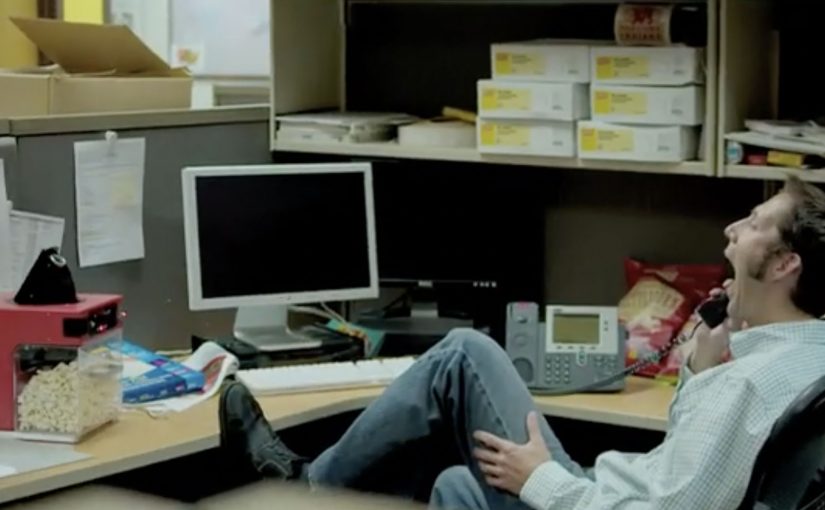
You say “pop”. A machine swings toward you and launches a single piece of popcorn into your mouth.

Thinkmodo created “The Popinator”, a gadget built as a playful piece of brand content. It is presented as a voice-triggered system that can pinpoint where the spoken word originated in a room, then fire popcorn in that direction. Popcorn is described as being shootable up to 15 feet, and the device is described as intended for indoor use.

How the gag is engineered

The mechanism is deliberately simple to explain. A keyword prompt. Direction finding. A rotating launcher. One kernel per “command”. The build turns a familiar snack habit into a mini spectacle that feels like a “future gadget”, even if you never plan to own one.

In consumer marketing where product messages blur quickly, a physical prop that demonstrates one absurdly clear benefit can generate more talk than another round of feature claims.

Why it lands

It works because it compresses the whole story into a single, repeatable moment. Say the word. Watch the machine react. See the payoff. The format is built for office viewing, quick sharing, and the social proof of “we tried it and it actually did something”.

Extractable takeaway: If you want earned reach fast, create a one-line premise people can test in their heads instantly, then design the payoff so it reads clearly on camera without explanation.

What the brand is really buying

This is not only about popcorn. It is about attention and imagination. The Popinator reframes an everyday product as something playful and engineered, then lets the internet do the distribution work by debating whether the gadget is “real” and how it works. The real question is whether one absurd, repeatable demo can make a commodity snack feel worth talking about. The stronger brand move here is making the behavior memorable, not pretending the hardware is the story.

What to borrow from The Popinator

  • Build a single, legible “demo moment”. One trigger. One reaction. One payoff.
  • Make the prop do the talking. The less narration required, the more shareable the clip becomes.
  • Design for repeat attempts. Repetition is content when the mechanism is satisfying to watch.
  • Let curiosity drive comments. “Is it real” is a distribution engine when handled responsibly.

A few fast answers before you act

What is The Popinator?

A popcorn-launching machine created as brand content, presented as firing kernels toward whoever says the word “pop”.

What is the core mechanism?

A keyword prompt triggers direction-finding, then a rotating launcher fires one kernel toward the sound source.

Was it a real product you could buy?

It is presented as a prototype-style gadget for content. Some coverage from the time frames it as a marketing stunt rather than a commercial device.

Why do “fantasy gadget” videos travel so well?

They borrow the credibility of product demos while delivering entertainment. Viewers share them as a mix of “I want this” and “no way this is real”.

What is the safest reusable lesson for brands?

Turn a mundane product habit into a surprising, visual demonstration that can be explained in one sentence and enjoyed in under a minute.
Nike SPARQ: Immersive Digital Training

When training becomes the differentiator. Nike SPARQ goes digital

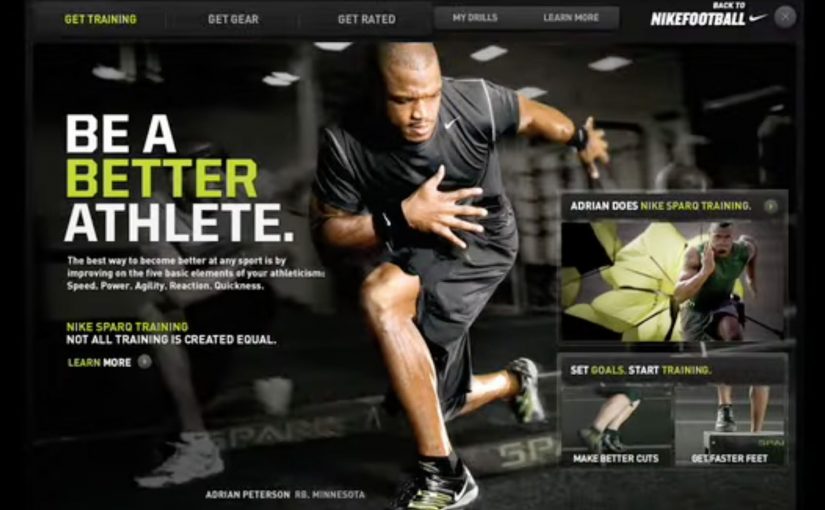
Not too long ago, talent determined greatness. Today, talent is a given, but training is what separates the exceptional from the merely promising. So to help athletes everywhere reach their true potential through better training, Nike along with ad agency R/GA New York created an immersive digital experience for the SPARQ program (Speed, Power, Agility, Reaction, and Quickness).

Athletes could now follow the same training regimens as professional athletes through detailed, customized video demonstrations delivered via iPods or handheld video players that made it accessible anywhere. The SPARQ website also let athletes set goals, track progress, find Nike SPARQ Trainers across the country, get an official SPARQ rating, and purchase gear.

The smart move: make elite training portable and personal

The experience does two things at once. It brings pro-level drills to anyone with a device, and it makes training feel individualized through customization and video guidance. That combination shifts SPARQ from “program” to “daily habit.”

In sports-performance brands and youth training programs, the winners make instruction portable enough to survive real life.

Why this feels bigger than content

The real question is whether your digital experience builds a habit-forming training loop, or just publishes drills. Because it is not just inspiration. It is infrastructure. Video demonstrations give you the “how,” goal setting and tracking give you the “keep going,” the rating gives you a yardstick, and trainers plus gear connect the digital loop to the real world. Here, the digital loop is the cycle of instruction, goals, tracking, and feedback that pulls you into the next session. Treat training as infrastructure, not content, if you want durable engagement.

Extractable takeaway: Pair instruction with goals, tracking, and feedback loops so progress is visible and practice becomes a habit.

The business intent hiding in plain sight

Build a performance ecosystem that increases commitment over time. The more you train, track, and compare, the more SPARQ becomes the platform you return to. And the more natural gear purchase becomes inside that flow.

Steal the habit loop, not just the videos

  • Ship a loop, not content. Guidance, goals, tracking, and a measurable score.
  • Design for anywhere use. Portability turns intention into repetition.
  • Connect digital motivation to real-world touchpoints. Trainers, ratings, and commerce.

A few fast answers before you act

What does SPARQ stand for?

Speed, Power, Agility, Reaction, and Quickness.

What did Nike and R/GA New York build?

An immersive digital experience for SPARQ that delivered customized training video demonstrations and a supporting website for goals, tracking, trainers, ratings, and gear.

How did athletes access the training content?

Through detailed video demonstrations delivered via iPods or handheld video players, making the training accessible anywhere.

Why did this feel bigger than training videos?

Because it combined instruction with goal setting, tracking, a rating, and connections to trainers and gear, creating a repeatable training loop.

What made the SPARQ website useful beyond videos?

It let athletes set goals, track progress, find SPARQ trainers, get an official SPARQ rating, and purchase gear.

What is the simplest principle to copy from SPARQ?

Pair guidance with goals and feedback so people can see progress and have a reason to return.

Bing: Decode JAY-Z

In a market dominated by Google, Bing wants to feel like a modern choice, and a younger audience is the fastest route to relevance. So it partners with JAY-Z for the launch of his book Decoded.

A book launch that shows up in the real world first

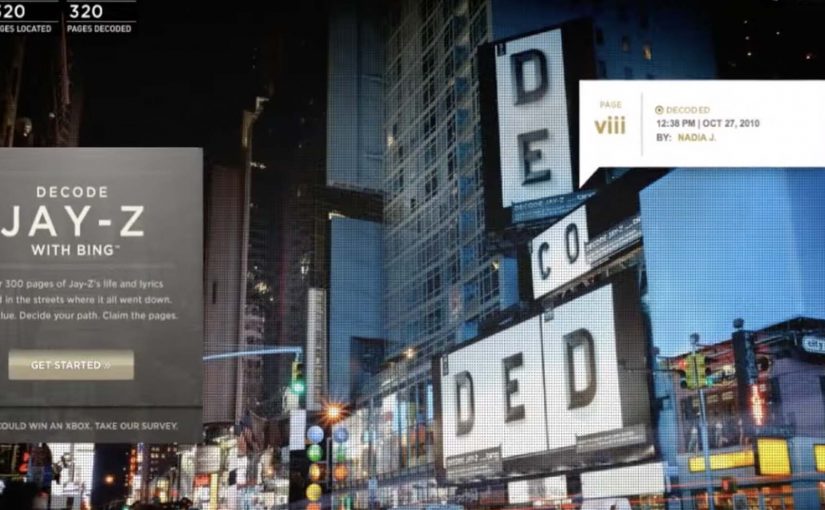
Instead of revealing the book in one place, pages are unveiled in locations referenced on those pages: a Gucci jacket, a restaurant, a hotel pool, a pool table, a car, a bus stop, and a subway. The stunt turns reading into a hunt, and turns “promotion” into something you can physically stumble into.

How the decode game works

Bing ties the physical reveals to an integrated game where fans assemble the book digitally using Bing Search and Bing Maps. Clues to page locations are released daily across Facebook, Twitter, and radio, pushing fans back into search behavior and map-based navigation as part of the entertainment.

In consumer search platforms, discovery mechanics that bridge real-world locations and digital navigation can turn a launch into participation.

Why it lands with a younger audience

The mechanics reward curiosity, speed, collaboration, and social proof. Finding a page is a story you can post. Decoding a clue is a micro-win. Watching the book come together feels like progress you helped create, not content that was simply handed to you. That works because each clue forces a Search and Maps action, so the product becomes the route to the reward.

Extractable takeaway: If you want a younger audience to adopt a utility product, tie progress to repeatable micro-wins that are easy to share.

The business intent hiding in plain sight

For Bing, the goal is not only buzz around Decoded. It is repeated usage of Search and Maps in a context where using the tools feels like play, not a utility task. The partnership borrows cultural gravity from JAY-Z, then converts it into product interaction.

The real question is whether your launch can force repeat product actions, not just cultural attention.

This is stronger than a celebrity endorsement, because it makes Search and Maps the game board instead of the backdrop.

Steal the decode launch mechanics

  • Make the “content” unlockable. People value what they have to discover, not what they are merely shown.
  • Anchor digital behavior to a physical trigger. Real locations make clues feel concrete and worth chasing.
  • Ship a daily cadence. Drip-fed clues keep attention warm without demanding long sessions.
  • Design for sharing as proof-of-work. Proof-of-work here means a visible signal that you did the effort, not just consumed the content.

A few fast answers before you act

What is “Decode JAY-Z” in one line?

A scavenger-hunt book launch where pages appear in real places, and fans use Bing Search and Bing Maps to find and assemble the book digitally.

What are the key mechanics?

Location-based page reveals, daily clues distributed through social and radio, and a digital assembly experience built around search and maps.

Why does this work better than a standard launch?

It converts passive awareness into repeat actions, and each action produces a shareable win that keeps the loop going.

What is the transferable takeaway for product marketing?

If your product is a tool (search, maps, utility apps), embed it inside a game where using the tool is the fun, not the homework.

What should you measure to know it worked?

Track repeat usage of the specific features you embedded in the game (search queries, map actions, and return visits), not only reach or mentions.