
Subway “Daredevil Delivery”

Subway was facing massive competition from other fast food chains in China. Mobile agency iconmobile was given the task to claim the mindsets of their target audience in an innovative way that also triggered sales.

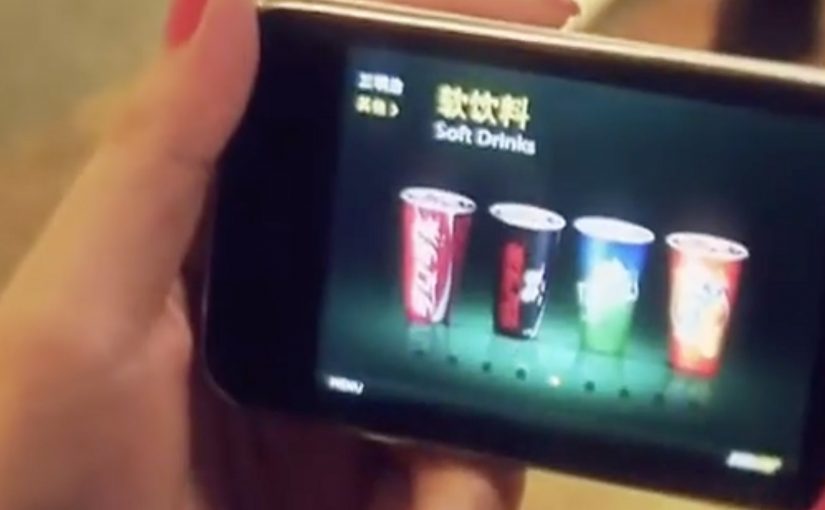
A mobile game was created to let users step into the role of a subway delivery guy. Rather than just providing an emotional benefit, the app also included…

  • a map that provided direction to shops nearby
  • a click-2-call order function
  • a mobile coupon channel to trigger sales according to the users behaviour

Why the mechanics matter

The idea combines three practical conversion tools with gameplay. A nearby-store map reduces “where do I go”. Click-to-call reduces “how do I order”. Coupons reduce “why now”. The game gives all of it a reason to be opened in the first place.

What to borrow for mobile campaigns

  • Attach utility to entertainment. Games can drive attention, but the built-in tools drive action.
  • Keep the path to purchase short. If ordering is a tap away, intent has less time to cool down.
  • Use behaviour to time incentives. Coupons work better when they match what the user is doing in the moment.

A few fast answers before you act

What is Subway “Daredevil Delivery”?
A mobile game campaign in China that put users in the role of a Subway delivery guy, paired with tools that could trigger real orders.

Which agency created it?
iconmobile.

What features connected the game to sales?
A nearby-store map, a click-to-call ordering function, and a mobile coupon channel based on user behaviour.

What is the key lesson for mobile?
Pair a fun mechanic with immediate utility, so the experience can convert curiosity into action without friction.
Airwalk: The Invisible Pop-Up Store

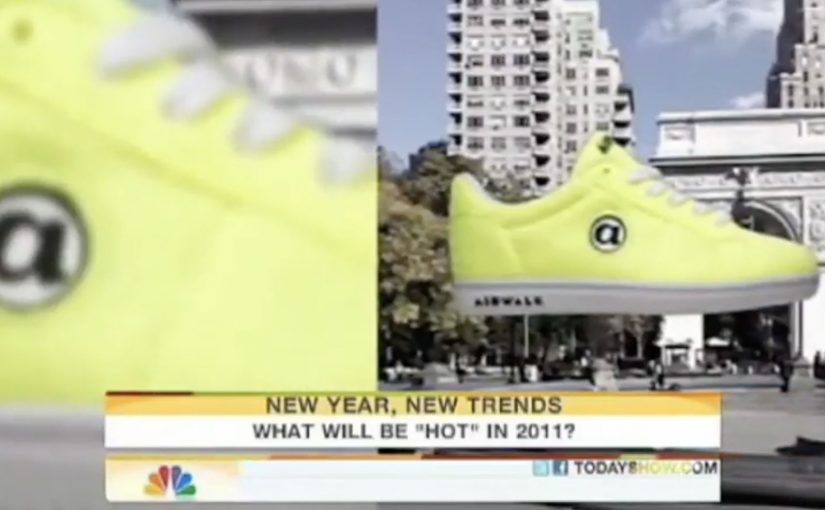
GoldRun and Young & Rubicam have created what is billed as the world’s first invisible pop-up store. Limited edition Airwalk sneakers appear only at the biggest skate and surf spots, so the “store” is the location, not a storefront.

Sneakerheads and skaters visit the virtual store at Washington Square Park in NYC and Venice Beach in LA. You show up, look through the phone, and the drop reveals itself.

A pop-up you cannot see until you are there

The mechanism is a location-based AR layer. The product is GPS-linked to specific places, so access is earned by presence, not by refreshing a webshop.

Instead of browsing shelves, people “capture” the virtual sneaker in the app and unlock a purchase path. The retail action is still commerce, but the pre-commerce moment is play.

In youth culture launches where scarcity and scene credibility matter, location-based drops create stronger heat than broad e-commerce blasts.

Why this lands with sneaker culture

This is not just novelty AR. It taps into three instincts that already exist in sneaker communities:

  • Scarcity: limited runs feel meaningful when access is constrained.
  • Proof of effort: being there becomes part of the story and the status.
  • Social retell: the experience is easy to describe and easy to show.

The “invisible store” framing also upgrades the idea from a promo to a cultural moment. It makes the drop feel like an event that happened, not a product that launched.

The business intent under the stunt

Airwalk gets a high-impact relaunch without paying for traditional retail real estate. The brand borrows the authenticity of parks and beaches, then turns those places into distribution.

That matters because it makes the product and the environment inseparable. The sneaker is not simply “for” skaters and surfers. It appears where they actually are.

What to steal for your next launch

  • Make access physical, even if the product is bought digitally.
  • Turn scarcity into a mechanic, not a banner headline.
  • Design a one-sentence retell, for example “the store only exists at two spots.”
  • Pick locations that already signal the brand, so the setting does some of the messaging work.

A few fast answers before you act

What is an “invisible pop-up store” in practical terms?

It is a temporary retail experience that exists only through a phone interface at specific real-world coordinates. No physical store build is required.

What is the core mechanic that drives participation?

Geo-fenced discovery. People must travel to a location to reveal the product, then complete an action in-app to unlock purchase.

Why not just sell the shoes online normally?

Because the launch is the marketing. Turning purchase access into a hunt creates earned attention, social proof, and a stronger sense of drop culture than a standard checkout flow.

What are the biggest risks with this approach?

Friction and disappointment. If the experience is hard to access, unstable on devices, or feels unfair due to distance, enthusiasm flips quickly.

What should a brand measure to know if it worked?

Location visits, completion rate from “found” to purchase, time-to-sell-out, and the volume and quality of organic sharing that shows people proving they were there.

Disney Appmates. The next toy revolution

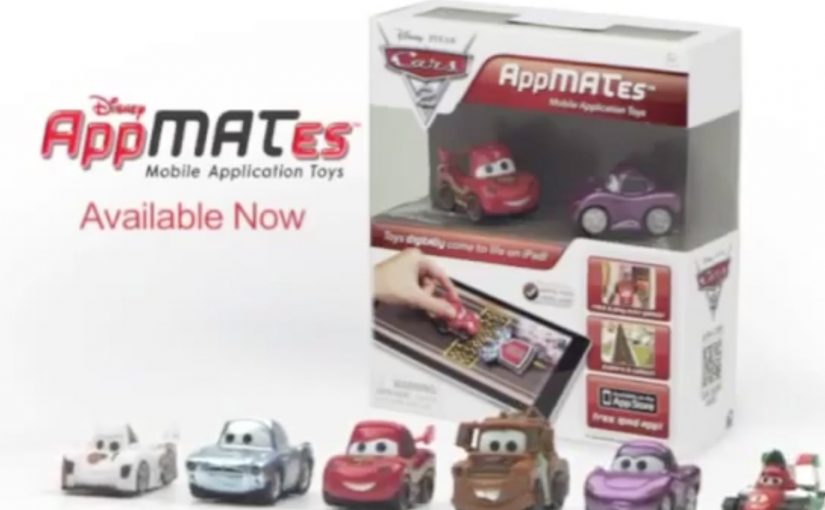
Disney recently announced a new line of toys called Disney Appmates. These new toys and the iPad work in tandem to create a very new age play experience. Featuring the likenesses of characters from Cars 2, the Appmates are miniature figures with special sensors mounted on the bottom. The sensors work with the Cars 2 Appmates app to identify each figure when put against the iPad screen.

The Apple and Disney Stores will start selling Lightning McQueen, Tow Mater, Finn McMissile, and Holley Shiftwell in October. Francesco Bernoulli and Shu Todoroki will be launched in November and will made available exclusively through the Apple Store.

What is actually new here

The interesting shift is not “toys plus an app.” It is the iPad becoming part of the physical play space. The figure is not only a character. It becomes an input. Place it on the screen, and the app recognizes it and reacts. That is a different play loop than tapping icons, or watching a video, or playing a standalone game.

Why the Cars 2 character lineup matters

The character list makes the product strategy visible. Lightning McQueen, Tow Mater, Finn McMissile, and Holley Shiftwell anchor the launch. Francesco Bernoulli and Shu Todoroki extend the line later. The Apple Store exclusive adds a distribution edge for a toy that is, by definition, tied to an iPad experience.

What to borrow if you build connected experiences

  • Make the physical object a trigger. The figure is the key that unlocks a specific interaction.
  • Design for collecting and replay. Each character creates a reason to return to the app and try combinations.
  • Align the channel with the behavior. If the experience requires an iPad, selling through Apple Store channels is a direct route to the right audience.

A few fast answers before you act

What are Disney Appmates?
They are miniature character figures designed to work with an iPad app to create a hybrid physical plus digital play experience.

How does the iPad recognize the figures?
Each figure has special sensors mounted on the bottom, and the Cars 2 Appmates app identifies the figure when it is placed against the iPad screen.

Which characters are available first?
Lightning McQueen, Tow Mater, Finn McMissile, and Holley Shiftwell are scheduled to start selling in October.

Which characters arrive later?
Francesco Bernoulli and Shu Todoroki are scheduled for November.

What is exclusive to the Apple Store?
Francesco Bernoulli and Shu Todoroki are made available exclusively through the Apple Store.