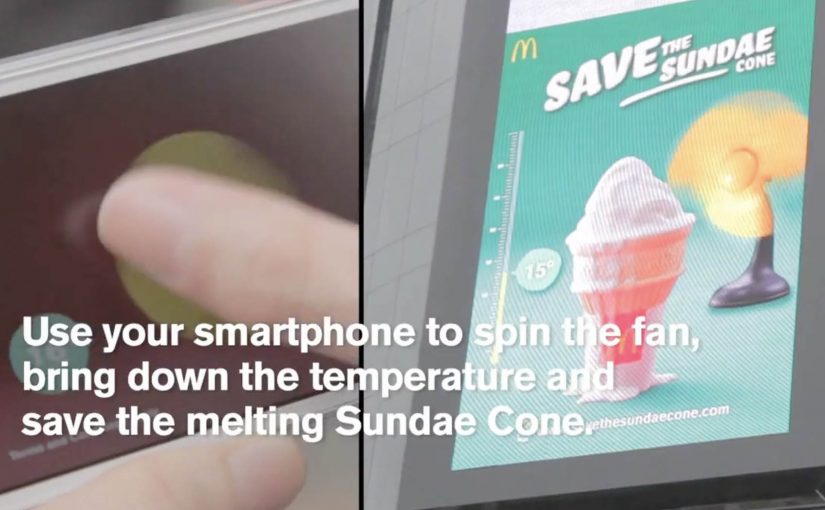
Social media and mobile devices have driven fundamental changes in consumer behaviour and opened up new avenues for consumers to engage with brands. The need to move faster is greater now than it has ever been. Hence more and more brands around the world have been learning from social media and deploying real time digital and traditional media strategies. Here, “real time” means publishing remix-ready content seconds after a live moment, while the conversation is still alive.
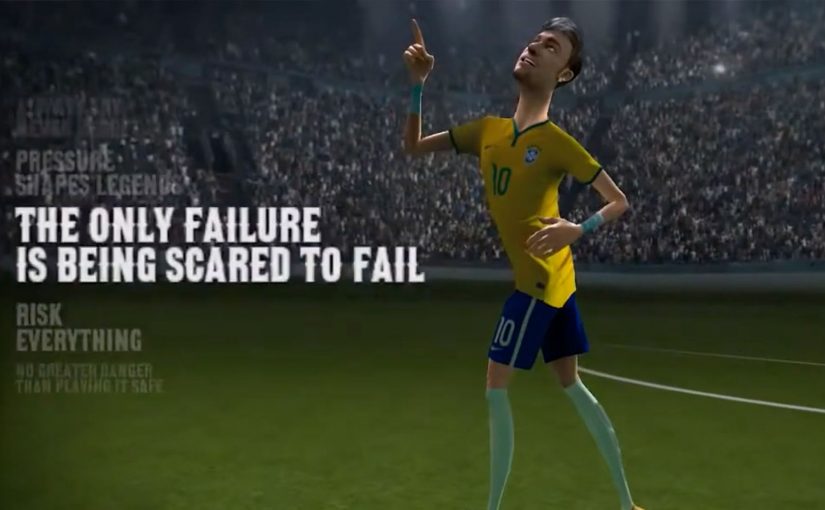
During the recently concluded World Cup in Brazil, Google teamed up with Nike to generate eight different real time campaigns that allowed fans to celebrate, remix and share memorable sports moments, just seconds after they happened. As a result Nike got over two million fan interactions across 200 different countries.
Eight campaigns built for the moment, not the recap
The mechanism is speed plus participation. The content is designed to appear while emotion is still peaking. Fans are not just watching highlights later. They can react and reshape the moment immediately, then distribute it across their networks while the conversation is still alive.
That “seconds after it happened” detail is the whole point. It signals an operating model where creative, production, approvals, and publishing are built to run at match tempo.
In global brands running live-event marketing, real-time only matters when the operating model is built to publish at the same tempo as the audience’s emotion.
The real question is whether your creative, approvals, and publishing can keep up without slowing the moment down.
Why it lands: fans want to do something with the moment
Sport is a live social experience. When something memorable happens, people do not only want to witness it. They want to respond. They want to signal allegiance, emotion, and identity. Giving fans remix and share tools turns that impulse into action, and action becomes interaction at scale.
Extractable takeaway: When you give fans a simple way to respond in the moment, the brand stops interrupting the experience and becomes part of how people express it.
The intent behind real-time media
The business intent is simple: ride the peak of attention and convert it into participation. Real-time campaigns let Nike earn visibility through fan activity rather than purely through paid reach. They also make the brand feel culturally present, not days later, but right now.
Real-time is an operating model decision, not a creative flourish.
Real-time remix moves worth copying
- Design for reaction loops. Build formats that make it easy to celebrate, remix, and share instantly.
- Pre-build the system. Real-time is a workflow capability, not a last-minute social post.
- Use live events as triggers. Tie publishing to moments that already have emotion and attention.
- Mix digital and traditional smartly. Real-time can spill into any channel if production is ready.
- Measure participation, not just impressions. Interaction is the proof that the moment mattered.
A few fast answers before you act
What did Google and Nike do during the World Cup in Brazil?
They created eight real-time campaigns that let fans celebrate, remix, and share memorable moments seconds after they happened.
Why does “real-time” matter in sports marketing?
Because emotion peaks during the live moment. If fans can react instantly, they will share while attention is highest.
What makes a campaign truly real-time?
A system that can publish fast. Creative templates, production readiness, approvals, and distribution must be designed for speed, not adapted on the day.
What kind of engagement did this approach generate for Nike?
According to the campaign summary, it drove over two million fan interactions across 200 different countries.
What is the practical takeaway for brands?
If you want to win live moments, build repeatable remix formats and the operating model behind them, so your audience can act while the moment is still hot.