
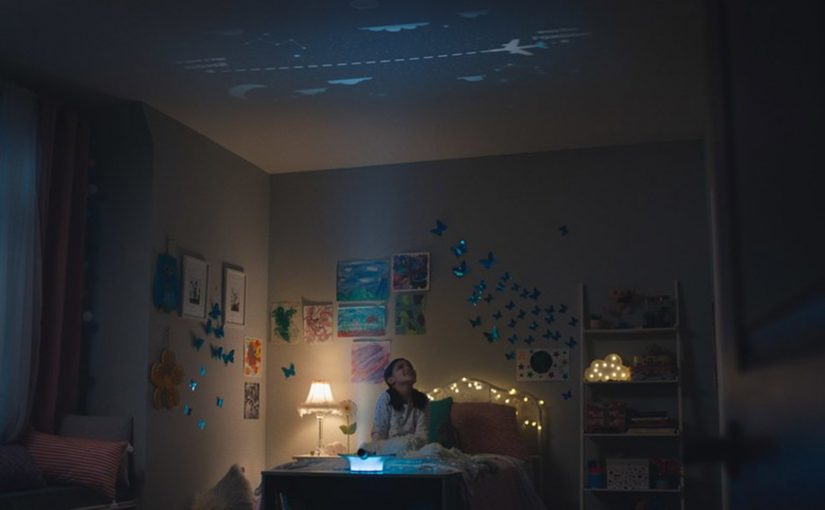
WestJet Flight Light

WestJet creates a small device with a big emotional job. WestJet Flight Light is a nightlight that uses live flight data to project a parent’s WestJet flight path onto a child’s bedroom ceiling, turning the wait into a visual, interactive countdown of hours and minutes until the parent returns.

In airlines and other service businesses, more brands move beyond selling a product and start designing convenience services that drive repeat usage and loyalty by solving real-life friction.

By convenience services, I mean a branded layer that uses operational data to make a recurring job easier for the customer.

Here, the friction is business travel. WestJet wants frequent travellers to pursue work opportunities without losing connection with the people waiting at home. Flight Light makes the journey feel present. Not abstract.

Why the concept works

The power is not the hardware. It is the experience design. A child’s instinct is to count down. Flight Light makes that countdown tangible and playful by projecting the route in the place where bedtime routines already happen, which turns waiting into anticipation.

Extractable takeaway: If you can turn operational data into a repeatable ritual in the customer’s real environment, you create loyalty that feels like care, not marketing.

The service logic

This is a brand service that behaves like a product. A brand service is a repeatable utility that makes the brand part of a real-life routine. Live flight data becomes a family connection layer. The airline becomes part of the at-home story, not just the transport provider.

The real question is whether your operational data can earn a role in the customer’s routines, not just inside your app.

Brands should treat data as experience material when it reduces anxiety or effort in a moment that already exists in the customer’s life.

Beta-testing and what it signals

WestJet says a prototype of Flight Light exists, with beta testing scheduled to begin later this year. That is the bridge between a cute concept and something that can be operated, supported, and scaled.

Borrowable moves from Flight Light

  • Start with a real-life routine. Bedtime already has attention and emotion. Place the experience there.
  • Use operational data as story material. Flight status becomes a shared narrative the family can follow.
  • Make the countdown visible. Turn “when are you home?” into a simple, comforting visual progression.
  • Design for repeat trips. The value compounds when the service works the same way every time the parent travels.

A few fast answers before you act

What is WestJet Flight Light?

A nightlight concept that uses live WestJet flight data to project a parent’s flight path onto a child’s bedroom ceiling as an interactive countdown to their return.

Who is it designed for?

Business travellers and frequent flyers with families, especially parents who travel regularly for work.

What is the core experience design move?

It turns live flight status data into a comforting, visible bedtime ritual that makes the trip home feel real and close.

What problem is it solving?

It reduces the emotional friction of business travel by making a parent’s trip home visible and countable during a child’s bedtime routine, instead of feeling distant and abstract.

Why is it a brand service, not just a gadget?

The value comes from turning live flight data into an at-home experience a family can reuse on every trip. The nightlight is the interface. The service is the connection layer.
Burger King Burn that Ad

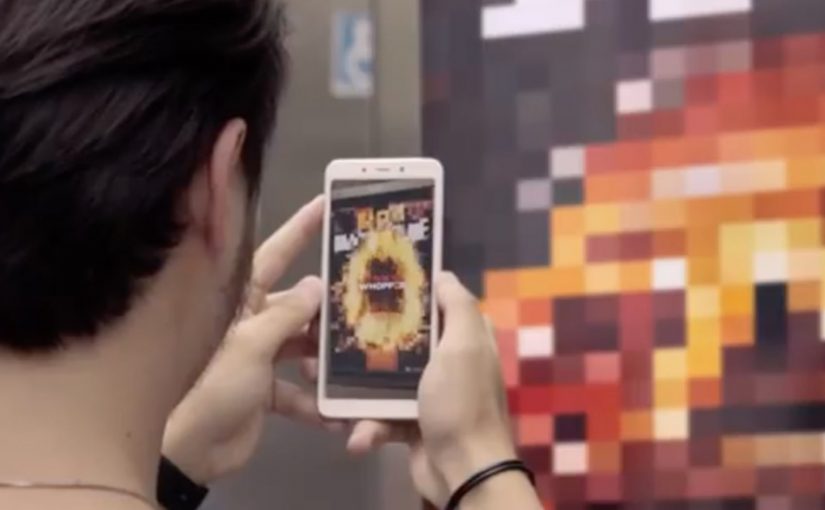
In Brazil, Burger King and ad agency David SP use augmented reality to “burn” competitors’ ads through consumers’ mobile phones. The reward is simple and immediate. Participate, and you earn a free Whopper.

Burger King expects to give away 500,000 Whoppers through the promotion, pushing more people to use Burger King Express, the service that lets customers pre-order food for pickup.

How “Burn that Ad” works

The mechanic turns rival advertising into a trigger. Here, the mechanic is one simple action that immediately returns a coupon reward. You point your phone at a competitor’s ad, the experience “burns” it in AR, and the payoff is a Whopper coupon. It is a direct, product-first incentive tied to a single action.

In quick-service restaurants, where choice is made in seconds, immediate incentives can shift behaviour faster than storytelling.

Why the reward is the strategy

This is not a brand-film play. It is a behavioural exchange. The AR effect is decoration. The engine is the immediate product reward tied to one action. The real question is whether your mechanic creates an immediate, low-friction exchange that makes a new behaviour worth trying. Because the reward is immediate and tied to one action, the AR burn becomes a conversion trigger rather than a gimmick. The customer does something specific in the moment, and Burger King pays them back with something they value immediately. That makes participation scalable beyond the novelty of AR.

Extractable takeaway: If you want people to adopt a new operational path, design a one-step exchange where the reward is immediate, tangible, and triggered by a single action.

The operational goal: Burger King Express

The giveaway is not only about footfall. It is designed to drive adoption of pre-order pickup via Burger King Express. The campaign builds a reason to try the service, not just the product.

What to steal

  • Make competitors the trigger: Turn a competitor’s presence into your acquisition trigger, without relying on complicated steps.
  • Keep it low-friction: Keep the action simple and the reward tangible.
  • Scale an operational behaviour: Link the incentive to an operational behaviour you want to scale, such as pickup pre-order adoption.

A few fast answers before you act

What is “Burn that Ad”?

A Burger King Brazil promotion that uses augmented reality to “burn” competitors’ ads on mobile phones and reward participants with a free Whopper.

What is the incentive?

A free Whopper, delivered via the promotion’s reward mechanic.

How many Whoppers does Burger King plan to give away?

500,000.

What is Burger King Express?

A Burger King service that lets customers pre-order food for pickup.

What business behaviour does it push beyond the giveaway?

Using Burger King Express to pre-order food for pickup.

Ford Smart Lane-Keeping Bed

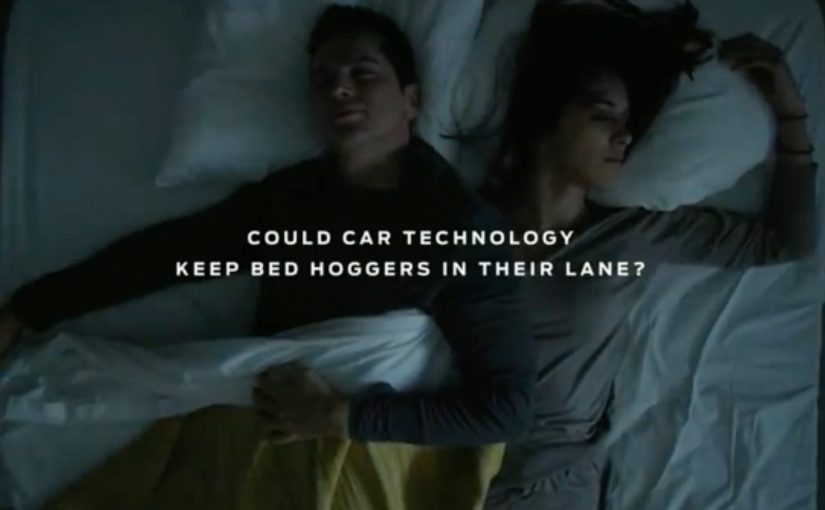
Ford Europe has unveiled a “Lane-Keeping Bed” that ensures partners always have equal amounts of sleeping space. The idea was inspired by the driver-assist technology that prevents unintentional drifting in new models like the 2019 Ford Ranger.

As demonstrated in the video below, pressure sensors detect when an active dreamer strays to the opposite side of the mattress and triggers an integrated conveyor belt that puts them back where they belong.

Like Ford’s noise-cancelling dog kennel, the Lane-Keeping Bed is only a prototype in the company’s “Interventions” series of innovations that extend beyond the car industry.

What makes this more than a gimmick

The best part of this idea is how clearly it translates a car behavior into a home behavior. Lane-keeping takes a drifting object and gently guides it back. Here, the drifting object is a person during sleep, and the “guidance” is a slow conveyor movement that restores the boundary without turning the moment into a fight. That matters because it turns a familiar assistive correction into a domestic fix people can understand in seconds.

Why it works as a brand signal

Ford’s “Interventions” framing matters. It positions the company’s tech capabilities as transferable. Sensors, assistive correction, and comfort innovations are not locked inside vehicles. They can show up wherever people experience everyday friction.

Extractable takeaway: When a product behavior is hard to explain in its native category, move it into a familiar everyday setting where the tension is obvious and the benefit can be seen instantly.

In consumer brands, the fastest way to make a technical capability stick is often to place it inside an everyday tension people already recognize.

The real question is whether a brand can make an assistive technology feel useful, human, and memorable outside its core category.

This works because Ford is not pretending to sell beds. It is using the prototype to make its driver-assist logic easier to notice, remember, and talk about.

What to borrow if you build products or campaigns

  • Start from a real tension. Mattress hogs are a universal problem, and the benefit is instantly understood.
  • Make the mechanism visible. Pressure sensors plus a moving belt is easy to demonstrate, so the story travels.
  • Prototype to communicate capability. Even if it never ships, it can reframe what your brand is “good at”.

A few fast answers before you act

What is Ford’s Lane-Keeping Bed?

It is a prototype bed concept that uses pressure sensors and an integrated conveyor belt to move a drifting sleeper back to their side of the mattress.

What inspired the idea?

It was inspired by Ford’s driver-assist technology that helps prevent unintentional drifting in vehicles like the 2019 Ford Ranger.

How does it detect someone moving across the bed?

Pressure sensors detect when a sleeper strays to the other side, then trigger the conveyor belt response.

Is this a real product for sale?

No. It is presented as a prototype within Ford’s “Interventions” series, which explores ideas beyond the car industry.

What is the main takeaway?

Take a capability you already own. Translate it into a different everyday context where the tension is obvious and the benefit is immediate.