
Heineken: UEFA Giveaway

Here are two campaigns that Heineken created in Europe to give away seats for the UEFA Champions League finals in London last month.

Heineken: The Negotiation

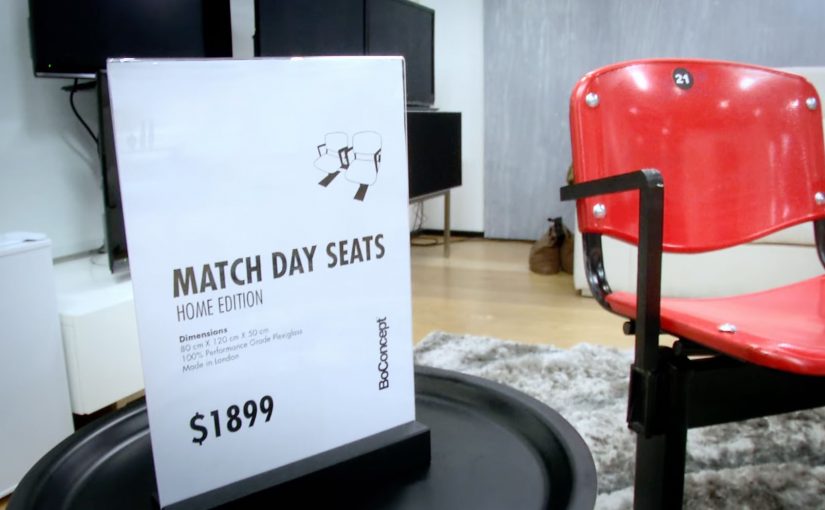
Heineken challenged football fans at a furniture store in the Netherlands to convince their ladies to buy a $1899 set of plastic stadium chairs for their home. If they managed to pull it off, they would win a trip to the final. The result:

Heineken: The Seat

In Italy, Heineken hid 20 tickets under 20 Wembley seats and spread them around Rome and Milan. Fans then had only one hour to find them and secure their place at the final. The result:

Two different mechanics, one sponsorship objective

Both ideas do the same strategic job. They make the sponsorship feel like something you can play, not just something you watch.

In European football sponsorship, ticket scarcity is a powerful emotion. Brands win when they turn that emotion into participation that fans can retell in one breath.

Why these promos travel so easily

The Negotiation works because it stages a recognisable domestic conflict and turns it into a public challenge. You do not have to care about Heineken to enjoy the tension. You just need to recognise the situation.

The Seat works because it feels like a real-world game with an unfair advantage for the most alert fans. A one-hour window and a physical search turns “tickets” into a quest, and the city becomes the interface.

What to steal for your next high-value giveaway

  • Do not just “give away”. Build a mechanic that proves fandom or commitment in a fun way.
  • Make it legible in five seconds. If people cannot explain the rules instantly, the idea will not spread.
  • Use time pressure carefully. A short window creates urgency, but it must still feel fair.
  • Let the prize stay pure. The reward is the story. The brand should be the enabler, not the gatekeeper.

A few fast answers before you act

What is the core mechanic in Heineken’s Negotiation?

A persuasion challenge staged in a real retail environment. The couple dynamic is the entertainment engine, and the prize converts the tension into a payoff.

Why does a scavenger hunt work for high-demand tickets?

Because it turns passive desire into active effort. The search itself becomes the content, and the winners feel like they earned the prize rather than being randomly selected.

What is the main sponsorship benefit of campaigns like these?

They convert a sponsorship from branding to experience. The brand becomes part of how fans remember the final, not just a logo around it.

What is the biggest risk with “race” mechanics?

Perceived unfairness. If the rules, locations, or timing feel stacked, the conversation flips from excitement to frustration.

What should you measure beyond video views?

Look for participation rate, speed of uptake, earned media pickup, and how often people retell the mechanic in social posts. Those indicate whether the idea actually travelled.
Volkswagen Smileage: Road Trips with Google

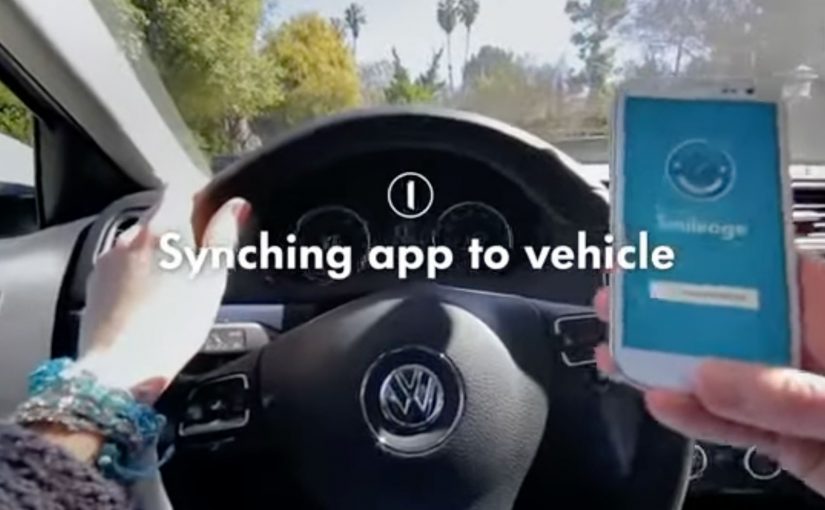
With the Volkswagen Smileage app, road trips are never going to be the same again. Powered by Google the app is set to socialise road trips world over.

To start earning Smileage you have to pair the app with your car and sign in with your Google account. Once synced, the app automatically connects each time you go for a ride.

Friends can then watch and comment on your journey in real time while you earn Smileage through shared photos, kilometers, checkins, comments, likes and punches from other nearby Volkswagen’s.

The car becomes a social object

The concept here is not just “tracking”. It is making the trip legible and interactive for people who are not in the car. Your drive becomes a live story, with reactions and contributions from friends.

  • Automatic connection. Pair once, then the app connects when you drive.
  • Live participation. Friends can watch and comment in real time.
  • Gamified reward loop. Points are earned through trip activity and social interactions.

Why the Google sign-in matters

Signing in with a Google account signals that this is more than a standalone app. It is built to plug into existing identity, location, and potentially mapping behavior. That is what enables a smoother experience and a more connected ecosystem around the trip.

Gamification that is tied to behavior

The points system is not abstract. It is linked directly to what happens on a trip. Photos, kilometers, check-ins, comments, likes, and even “punches” from nearby Volkswagens. The incentives are designed to encourage both movement and sharing.

  1. Drive. Kilometers and check-ins create baseline progress.
  2. Share. Photos create moments worth reacting to.
  3. Engage. Comments and likes add social energy.
  4. Connect. Nearby Volkswagens add community and surprise.

In connected consumer products, engagement grows fastest when real-world activity, identity, and social participation are designed as one loop.

What to take from this if you build connected experiences

  1. Reduce setup friction. Pair once. Auto-connect later.
  2. Design for spectators. The audience is part of the experience, not just the driver.
  3. Reward real activity. Gamification works best when points map to meaningful behavior.
  4. Use social to extend usage. Trips become more memorable when others can join in.

A few fast answers before you act

What is Volkswagen Smileage?

It is an app that pairs with your Volkswagen and Google account to make road trips social, letting friends follow and comment live while you earn points for trip activity and engagement.

How do you start earning Smileage?

You pair the app with your car and sign in with your Google account. Once synced, it connects automatically each time you go for a ride.

How do you earn points in the app?

Through shared photos, kilometers, check-ins, comments, likes, and “punches” from other nearby Volkswagens.

What is the main experience benefit for users?

Road trips become shareable in real time, turning the drive into a live story that friends can react to and participate in.

What is the transferable lesson for connected products?

If you combine automatic sensing with social participation and rewards tied to real behavior, you can turn routine usage into a repeatable engagement loop.

Volkswagen #Polowers: Tweet-Powered Race

Volkswagen Polo is one of the most desired cars amongst the youth of Spain. To make a big entry DDB Spain created a Tweet based race that would make VW Polo the most trending topic on Twitter for that day.

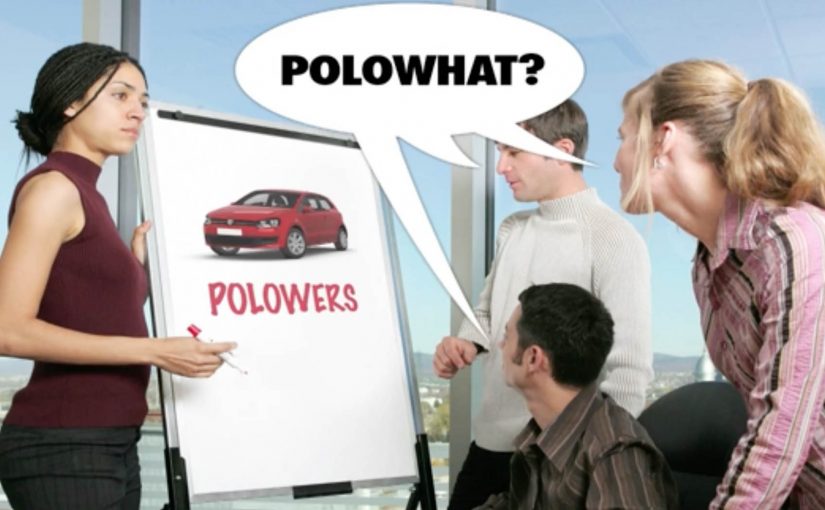
A special hashtag #Polowers was created in order to give a name to the VW Polo Followers. Then to generate conversation amongst the Polowers a race was setup where each tweet took the follower to the first position.

When the Polo stopped at one of the 5 designated stops, the follower in the first position at that time would win a prize, iPad, Denon Ceol music system, Leica D-Lux 5 camera, VW Bike and eventually the grand prize VW Polo itself.

In terms of results, the campaign generated more than 150,000 tweets in 8 hours after launching, at a rate of 5 tweets per second and reached more than 10% of Twitter’s total audience in Spain. It also became the leading Top 10 trending topic and generated a record breaking amount of traffic to Polo’s product section on Volkswagen.es.

Last year Mercedes-Benz had created a tweet based race that had real life cars fueled by tweets. Check out that campaign here.

Why this mechanic works

This is a clean real-time loop. Tweeting is the action. Rank is the feedback. Prizes are the incentive. The “race” gives people a reason to keep going, because every new tweet can change the leader.

  • Identity creates belonging. #Polowers turns followers into a named group.
  • Progress is instant. One tweet changes position immediately.
  • Time pressure drives volume. Five stops create multiple “now” moments.
  • Reward cadence sustains momentum. Smaller prizes build toward the grand prize.

What to take from this if you run social campaigns

  1. Design a loop that explains itself. If the rule fits in one sentence, participation scales.
  2. Make the scoreboard the content. Rankings create a story people want to influence.
  3. Use milestones. Stops and deadlines create peaks instead of a flat timeline.
  4. Measure beyond buzz. Here the campaign also drove traffic to the Polo product section, not just tweets.

A few fast answers before you act

What was Volkswagen #Polowers?

It was a tweet-based race in Spain where participants used the #Polowers hashtag, and tweeting moved them into first position in a live competition for prizes and a chance to win a VW Polo.

How did the prize mechanic work?

When the Polo stopped at one of five designated stops, the follower in first position at that moment won a prize. The grand prize was a VW Polo.

What were the reported results?

More than 150,000 tweets in 8 hours, around 5 tweets per second, reaching more than 10% of Twitter’s total audience in Spain, plus Top 10 trending status and record traffic to Volkswagen.es Polo pages.

Why did the hashtag matter?

#Polowers gave the community a name and made participation visible, searchable, and easy to join.

What is the transferable lesson?

If you turn a simple action into a live competition with clear milestones and meaningful rewards, social participation can compound quickly.