
Coca-Cola: Give a Coke, Be Santa

A vending machine that asked you to choose who you are

In global FMCG holiday marketing, the strongest ideas often turn seasonal sentiment into a simple action people can take in public. Coca-Cola’s holiday vending machine is a clean example of that move.

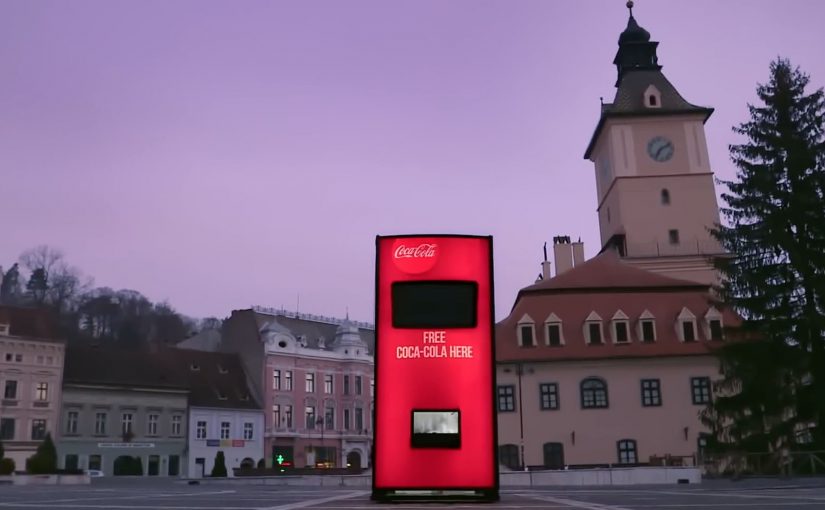
Coca-Cola wanted to bring out the Santa in everyone. So for the 2013 holiday season, they created a special vending machine that prompted users to either get a free Coke or give a free Coke.

The two-button mechanic that made sharing the story

If the user chose a free Coke, the machine quickly dispensed the drink for the user to enjoy.

However, if the user decided to share, then the machine did something a little more special. Watch the video below to find out.

Why “give” feels better than “get” in December

The psychology here is straightforward. A free product is nice, but it is forgettable. A choice that reflects identity is sticky.

By putting “give” and “get” side by side, the machine turns a small decision into a moment of self-image and social proof. In a holiday setting, people want to see themselves as generous, and they want to be seen that way by others.

The business intent behind bringing out the Santa

The intent is not simply distribution.

Coca-Cola uses the vending machine to translate a brand promise into behavior. The brand is associated with warmth and sharing because the consumer enacts it, not because the brand claims it.

What to steal from this give-or-get design

  • Turn values into a choice. Make the brand idea something people can do, not just hear.
  • Reward the “better” behavior. If sharing is the story, make sharing the more memorable path.
  • Keep the interaction instantly legible. Two clear options beat complex instructions in public spaces.
  • Design for a public moment. When others can witness the decision, the story travels faster.

A few fast answers before you act

What did Coca-Cola build for the 2013 holiday season?

A special vending machine that offered users a choice: take a free Coke or give a free Coke.

What was the core mechanism?

A simple two-option prompt. Choosing “get” dispensed a Coke immediately. Choosing “give” triggered a more special outcome.

Why does the “give” option matter so much?

Because it turns a freebie into an identity moment. People remember what they chose, and others can witness it.

What business goal did this support?

Making Coca-Cola’s holiday positioning feel real by linking the brand to a visible act of sharing, not just a message about sharing.

What is the main takeaway for brands?

If you want to own a value like generosity, design an interaction where people can demonstrate that value in the moment.
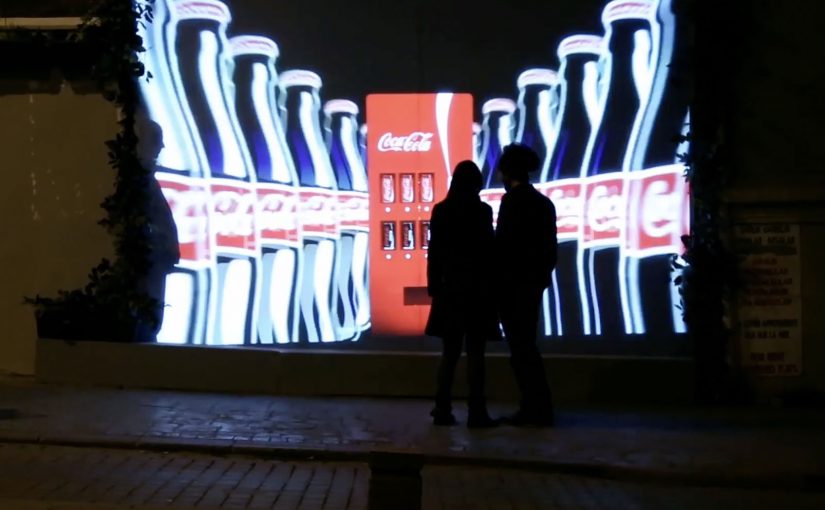
Coca-Cola Happiness Machine #ReasonsToBelieve

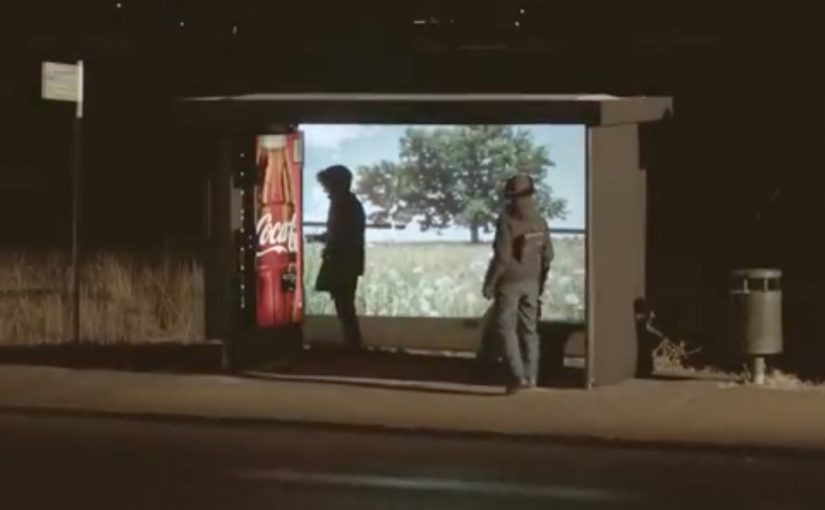
Coca-Cola is at it again, this time unleashing happiness in Sweden. A special Coke machine sits at a bus stop to spread some summer happiness in the middle of the cold and dark Nordic winter. The results…

Why the bus stop is the perfect stage

A bus stop is pure waiting time. That makes it a natural canvas for surprise, generosity, and shared reactions. When the environment is grey and cold, the contrast of “summer happiness” lands even harder, because it flips the mood of the moment instantly.

What this activation proves in one simple move

You do not need a complex mechanic to create a strong brand experience. Put the idea in the right place, at the right time, and make the reward feel unmistakably human. When people are surprised together, the story spreads on its own.

Click here to see other Coca-Cola Happiness campaigns from around the world.


A few fast answers before you act

What is the Coca-Cola Happiness Machine concept?

It is a series of experiential campaigns where a Coca-Cola machine behaves unexpectedly, giving people a surprise that feels generous and shareable in public.

Why does placing it at a bus stop work so well?

Because waiting amplifies attention. People are already paused, watching, and open to distraction. The setting turns a small surprise into a social moment.

What makes “happiness” activations feel authentic instead of gimmicky?

The reward has to be simple, immediate, and emotionally clear. If the moment reads as kindness or delight first, the branding can stay light and still win.

What is the main design lesson here?

Engineer contrast. Put warmth where people expect cold. Put play where people expect routine. That is how a short interaction becomes a memorable story.

Coca-Cola: Happiness Refill

Connection as currency on Copacabana

For teens, happiness often means one thing: staying connected.

Coca-Cola in Brazil acted on this insight by creating a beachfront store on Copacabana Beach in Rio de Janeiro and installing a soda machine that delivered something more valuable than a drink.

Instead of only dispensing Coca-Cola, the machine rewarded users with free mobile internet credits. For young, emerging middle-class consumers who loved their mobile phones but could not afford generous data plans, the exchange was instantly clear and immediately useful.

How the Happiness Refill machine worked

The interaction was deliberately simple. Users accessed the machine through an exclusive Coca-Cola mobile browser. Completing the interaction unlocked internet credits directly on their phones.

No long registration. No delayed reward. Just a physical interface connected to a digital payoff.

The machine functioned as a bridge between the physical and mobile worlds, using hardware as a trigger and mobile connectivity as the reward.

Why free data landed harder than free soda

On a public beach, attention is fleeting. People move quickly, and distractions are constant.

Free data solved a real, present problem. Connectivity was scarce, valuable, and socially visible. Watching someone gain internet access in front of you created instant social proof.

The machine became a gathering point. Not because it was novel technology, but because the value exchange was obvious and human.

The business intent behind Happiness Refill

Coca-Cola’s intent was not short-term sampling.

The goal was to make the brand’s long-standing “happiness” positioning tangible for a mobile-first audience by attaching it to everyday utility. Instead of asking teens to emotionally connect with a message, Coca-Cola embedded itself into a moment of real need.

This activation reframed the brand from advertiser to enabler.

What brands can steal from this activation

  • Translate emotion into utility. Abstract values become powerful when expressed as something people actually need.
  • Design for instant payoff. Immediate rewards outperform persuasion in high-noise environments.
  • Create a public interaction. Physical touchpoints generate social visibility that digital ads cannot buy.
  • Respect economic reality. Value feels bigger when it acknowledges real constraints.

This machine also fits into a broader Coca-Cola pattern. It joins the growing number of Happiness Machines the brand has deployed globally since 2009.


A few fast answers before you act

What insight powered Coca-Cola’s Happiness Refill?

That for teens, happiness is often defined by connectivity. Free data mattered more than another free product.

What made the mechanism effective?

A simple physical interaction with an immediate digital reward. No delay, no complexity.

Why was Copacabana the right context?

The beach favors fast, visible experiences. The activation turned utility into a social moment.

What was the core business goal?

To reinforce Coca-Cola’s happiness positioning by delivering real-world value aligned with mobile behavior.

What is the transferable lesson?

When you make your brand genuinely useful in the moment, people do the distribution for you.