Burger King Burn that Ad

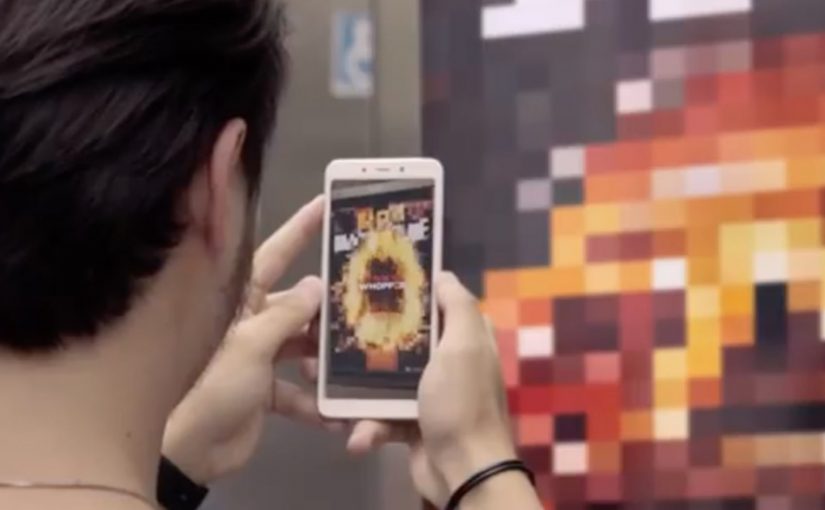
In Brazil, Burger King and ad agency David SP use augmented reality to “burn” competitors’ ads through consumers’ mobile phones. The reward is simple and immediate. Participate, and you earn a free Whopper.

Burger King expects to give away 500,000 Whoppers through the promotion, pushing more people to use Burger King Express, the service that lets customers pre-order food for pickup.

How “Burn that Ad” works

The mechanic turns rival advertising into a trigger. You point your phone at a competitor’s ad, the experience “burns” it in AR, and the payoff is a Whopper coupon. It is a direct, product-first incentive tied to a single action.

Why the reward is the strategy

This is not a brand-film play. It is a behavioural exchange. The customer does something specific in the moment, and Burger King pays them back with something they value immediately. That makes participation scalable beyond the novelty of AR.

The operational goal: Burger King Express

The giveaway is not only about footfall. It is designed to drive adoption of pre-order pickup via Burger King Express. The campaign builds a reason to try the service, not just the product.

What to steal

  • Turn a competitor’s presence into your acquisition trigger, without relying on complicated steps.
  • Keep the action simple and the reward tangible.
  • Link the incentive to an operational behaviour you want to scale, such as pickup pre-order adoption.

A few fast answers before you act

What is “Burn that Ad”?

A Burger King Brazil promotion that uses augmented reality to “burn” competitors’ ads on mobile phones and reward participants with a free Whopper.

What is the incentive?

A free Whopper, delivered via the promotion’s reward mechanic.

How many Whoppers does Burger King plan to give away?

500,000.

What business behaviour does it push beyond the giveaway?

Using Burger King Express to pre-order food for pickup.
Voice Chocolate

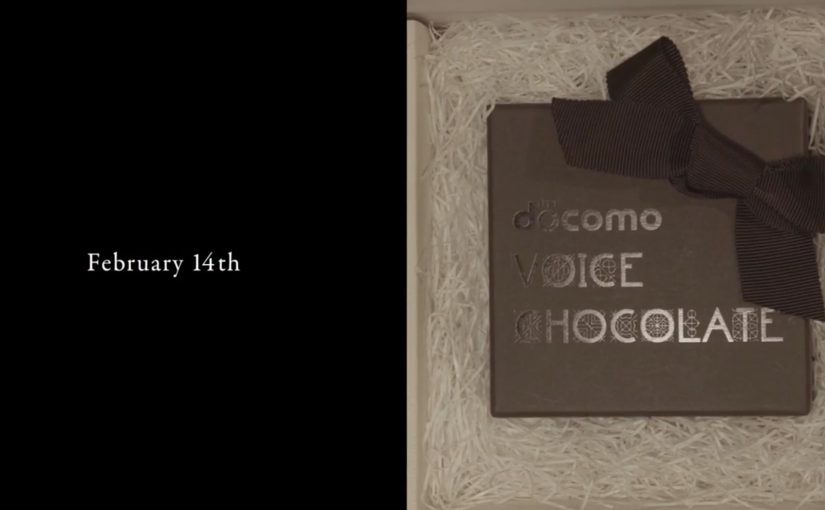
On Valentine’s Day, women in Japan record a voice message on their smartphone. That voice is transformed into a unique chocolate pattern, and a premium patisserie, Mont St. Clair, delivers the custom chocolates to the men they love. The recipient then uses a special app that recognises the AR markers in the chocolate, and the voice message plays back from the smartphone.

The campaign comes from Docomo (Japan’s largest mobile phone company) working with agency Hakuhodo. The business context is straightforward. Voice communication traffic falls sharply over the last 15 years, largely due to messaging apps. Docomo uses the ritual of Valentine gifting to make voice feel emotional and “worth using” again.

Why this works as mobile, packaging, and emotion in one system

This is not content about voice. It is voice turned into a physical artefact. The chocolate is both the gift and the interface. The phone becomes the capture tool. The app becomes the playback layer.

That combination matters because it closes the loop between human intent and digital capability. The message is not typed. It is spoken. It arrives as something tangible. Then it becomes audible again at the moment of receiving.

The pattern to steal

If you want to revive a behaviour that is losing ground, the structure here is repeatable:

  • Find a culturally accepted moment where the behaviour already makes sense, in this case Valentine gifting.
  • Convert the behaviour into a physical token people want to give and keep, not a disposable digital asset.
  • Use an interaction layer (AR, scan, app) that reveals the emotional payload at the right moment, for the recipient.

A few fast answers before you act

What is “Voice Chocolate”?

A Valentine concept where a recorded voice message is transformed into a chocolate pattern, delivered as a gift, then played back via an app that recognises AR markers in the chocolate.

Who is behind it?

Docomo in partnership with Hakuhodo, with chocolates delivered with help from Mont St. Clair.

What problem is it addressing?

Falling voice communication usage driven by messaging apps, by making voice feel meaningful again through gifting.

What is the core experience design move?

Turn a voice message into a physical interface, then use a scan-to-reveal mechanic so the voice returns at the moment of receiving.

Coca-Cola: First Drinkable Advertising

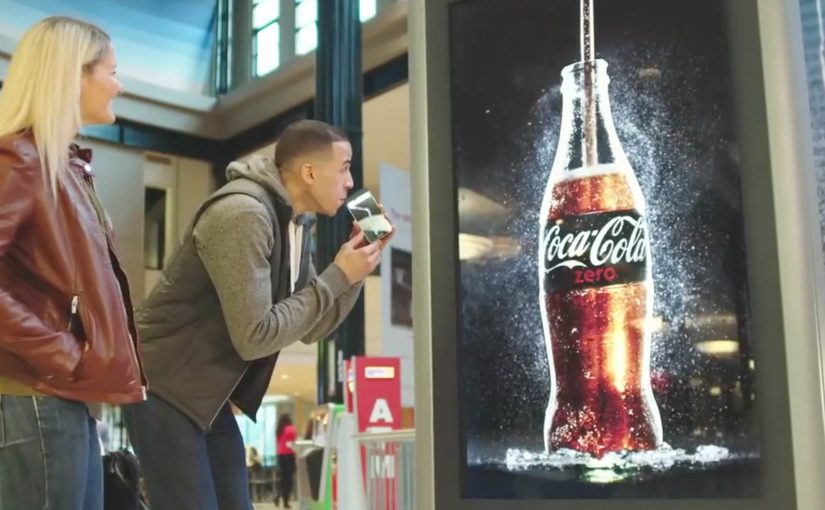
You are looking at a Coke Zero ad on a billboard, on TV, in print, or even on radio. Instead of just watching it, you Shazam it. On your phone, Coke Zero appears to pour into a glass on-screen, and that moment converts into a free Coke Zero coupon you can redeem at select retail stores across the US.

The premise is blunt and smart. Many people think they know the taste of Coke Zero, but they actually do not. So Ogilvy & Mather creates a campaign where the quickest route from awareness to belief is not another claim. It is immediate trial.

How “drinkable” advertising is engineered

This execution turns Shazam into a universal call-to-action layer across media.

  • Any channel can trigger the experience. Billboard. TV. Print. Radio.
  • The smartphone becomes the conversion surface. Visual payoff first, then the coupon.
  • The coupon bridges straight into retail. “Try it now” becomes a physical action, not a brand sentiment.

The important part is not the novelty of animation. It is the end-to-end path from message to product-in-hand.

Why this works as shopper marketing, not just a stunt

The campaign is designed to reduce the classic friction points that kill trial.

  • No guessing what to do next. Shazam is the behaviour.
  • No abstract promise. The ad demonstrates “taste” by pushing you to the real thing.
  • No delayed gratification. The reward is immediate and concrete. A redeemable coupon.

It is experiential marketing that does not require a pop-up installation or a live event. The experience travels with the media buy.

In performance-led shopper marketing, the fastest path from awareness to belief is reducing trial friction and making redemption immediate.

The pattern to steal

If you are trying to drive trial at scale, this is a reusable model.

  1. Create a single interaction that works across channels.
  2. Use mobile to make the experience feel personal and immediate.
  3. Close the loop with a retail mechanic that is simple to redeem.

Do that well, and “engagement” stops being a vanity metric. It becomes a measurable bridge to purchase.


A few fast answers before you act

What makes this advertising “drinkable”?

Shazaming the ad triggers a mobile experience that ends in a free Coke Zero coupon. It is designed to turn exposure into real-world trial.

Why use Shazam in the first place?

It provides a consistent interaction across media formats, including channels where clickable links do not exist.

What business problem is this solving?

Driving immediate trial for a product where many people assume they already know the taste, but have not actually experienced it.

What is the key CX detail that makes it work?

A simple, familiar action. One step to trigger, then a clear reward that can be redeemed in-store.