
Jibo: The Social Robot for the Family

Jibo: The Social Robot for the Family

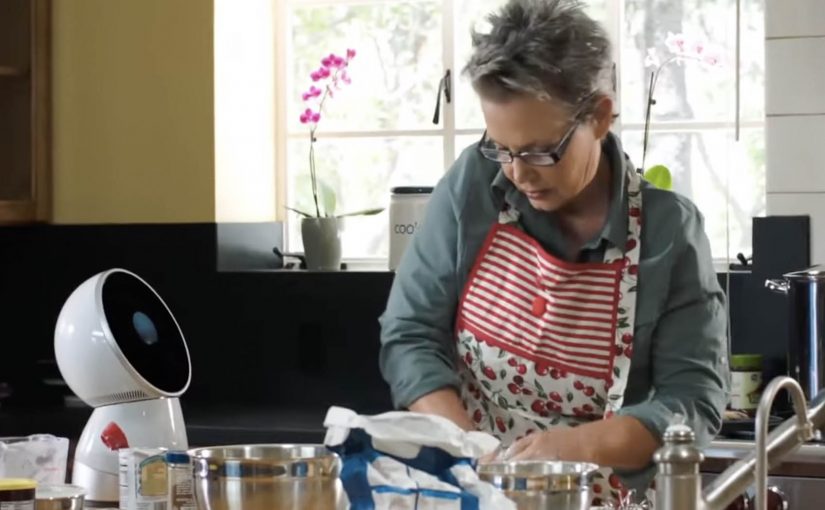
A robot that provides a personal and meaningful human experience is set to become reality through Jibo, an 11 inch tall, 6 pound, swiveling circular robot. Friendly, helpful and intelligent, Jibo is billed as the world’s first social robot for the family. Here, “social robot” means a robot designed to feel present and interactive in everyday home life, not just to complete tasks.

Here is a short demo video created for its crowdfunding campaign.

The pitch is “relationship”, not “utility”

The mechanism is straightforward. A small tabletop robot with a swiveling body and a screen uses motion, timing, and conversational cues to feel present in the room, rather than behaving like a static gadget. That matters because a sense of presence makes the product easier to imagine in the home than a static device would.

In consumer technology launches, the hard part is not explaining what the product does. It is making people feel why they would want it in their home.

Why it lands

This works because it frames the robot as a character. When a device has personality, the viewer stops evaluating it like a spec sheet and starts imagining it as part of daily routines. That shift is exactly what a crowdfunding-style launch needs, because belief and emotional attachment matter before the product is widely available.

Extractable takeaway: If you are launching something unfamiliar, do not lead with feature lists. Lead with a clear role the audience can picture, then use design and behavior to make that role feel natural and desirable.

What the business intent really is

The demo video is doing more than product explanation. It is creating a category frame. “Social robot for the family” is a positioning stake, and the crowdfunding moment is the fastest way to turn curiosity into momentum, pre-orders, and a community that will advocate for the concept.

The real question is not whether the robot can do enough, but whether people can imagine wanting it around them every day. For a product like this, positioning the relationship comes before explaining the utility.

What product marketers should borrow

  • Make a new category legible. Give the audience a simple label they can repeat to others.
  • Use behavior as proof. How the product moves, reacts, and “shows attention” can persuade faster than technical claims.
  • Sell the role. “What is this in my life” beats “what is this in the lab”.
  • Build community early. Crowdfunding works best when supporters feel like first insiders, not early buyers.

A few fast answers before you act

What is Jibo?

Jibo is a small tabletop robot positioned as a “social robot for the family”, designed to deliver a more personal, human-feeling interaction than a typical gadget.

How big is it?

The project describes Jibo as about 11 inches tall and around 6 pounds.

What does “social robot” mean here?

It refers to a robot designed for human interaction and presence in the home, using behavior and personality cues rather than only task execution.

Why launch via a crowdfunding demo video?

Because new categories need belief before they need scale. A demo video can communicate the role, the feeling, and the promise quickly, then convert interest into early supporters.

What is the main lesson for product marketers?

When the product is unfamiliar, show the “relationship” it creates in context, then let the technology sit behind the experience.

Samsung: Galaxy 11

Samsung: Galaxy 11

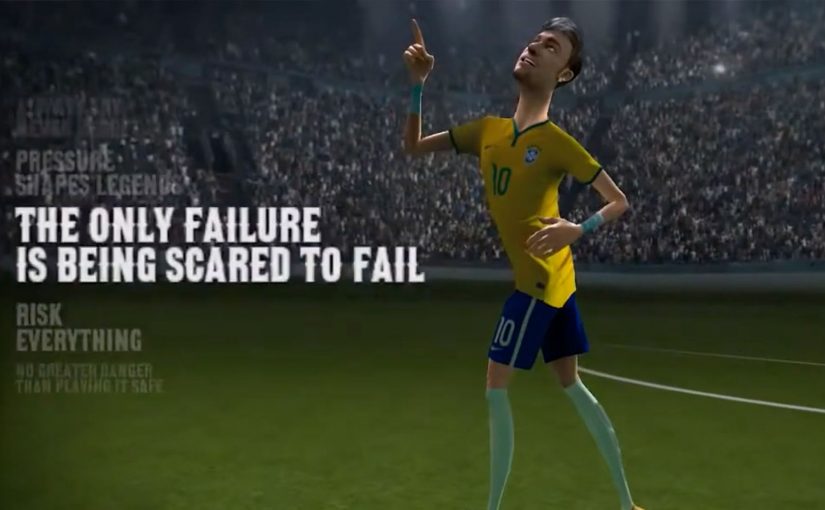
Samsung, to promote its new Galaxy S5 smartphone during the 2014 World Cup, created a 13 minute animated film (split in 2 parts) featuring some of the world’s greatest footballers on a mission to save Earth from an alien race called Hurakan.

To save Earth from total annihilation, the human footballers dubbed the “Galaxy 11” get into a winner take all football match with the alien race. In the film, the Galaxy 11 are seen using various Samsung Galaxy devices to face off against the horned creatures, who have a penchant for flips and fancy kicks.

How this sells without stopping the story

The real question is whether your brand can earn minutes of attention without pausing the story to sell.

This works when the product has a credible job inside the plot, because that makes every appearance feel like story logic instead of an interruption.

In global consumer brands, World Cup season is one of the few windows where audiences will engage with branded entertainment if the story earns it.

Why this format works for a World Cup moment

A World Cup moment is crowded with highlight reels and second-screen noise. A self-contained animated story gives viewers a reason to stay, because they want to see how the match resolves.

Extractable takeaway: When attention is scarce, trade a single claim for a simple plot. Conflict, goal, showdown. Then let your product earn screen time by being useful to the characters.

  • It is built for attention. A 13 minute animated story gives Samsung room to create a world, not just a product claim.
  • The product is part of the mission. Galaxy devices show up as tools the team uses, so the placement feels “in-world” rather than bolted on.
  • It scales globally. Football, sci-fi stakes, and animation travel across markets without heavy explanation.

What to learn from “Galaxy 11”

If you want people to stay with a brand story for more than a few seconds, give them a narrative engine. Here, a narrative engine means a repeatable conflict-goal-showdown loop that keeps scenes moving. A clear enemy, a clear goal, and a clear showdown. Then let the product play a credible role inside that story, instead of pausing the story to sell.

  • Start with stakes, not specs. Establish the enemy and the win condition before the product shows up.
  • Give the product a job. Make the device a capability the characters rely on inside the plot.
  • Keep the structure simple. Enemy, goal, showdown. Then end with a clear resolution.

A few fast answers before you act

What is Samsung “Galaxy 11”?

It is a two-part animated film created for the 2014 World Cup that puts elite footballers into a “save Earth” match against an alien team called Hurakan, while featuring Samsung Galaxy devices in the story.

How long is the film?

It runs about 13 minutes in total and is split into two parts.

How do Samsung Galaxy devices fit into the film?

The Galaxy devices are shown as tools the team uses during the mission, so the product appears through action rather than through a conventional pitch.

Why use animation for a World Cup campaign?

Animation makes it easier to build a shared “in-world” story and let it travel across markets, because the stakes and visuals are easy to understand.

What is the transferable pattern for brands?

Build a short, high-stakes story with a simple structure. Then integrate the product as a believable capability inside the plot.