
Vodafone: Buffer Busters AR Monster Hunt

The pitch is familiar: “fastest network.” The execution is not. Vodafone Germany turns the claim into a street-level AR game where your city becomes the arena and “Buffer Monsters” become the enemy.

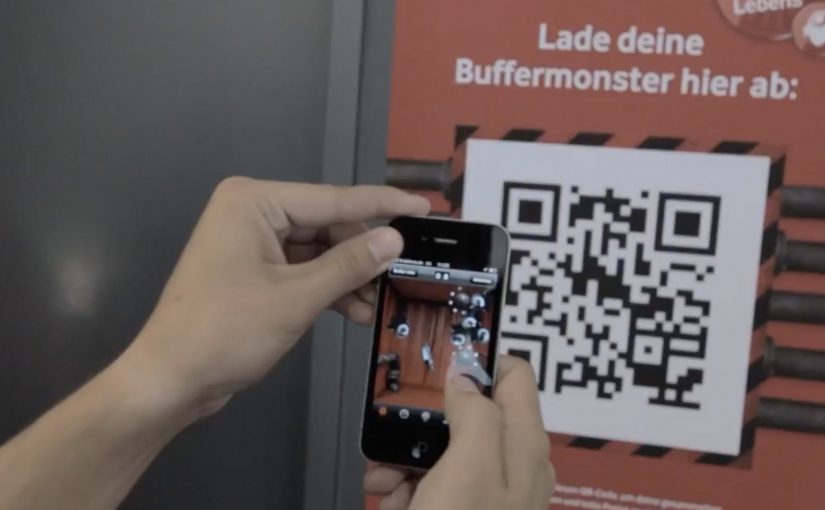
You walk around with an iPhone or Android smartphone, spot the monsters through the camera view, and capture them. Once you’ve banked 50, you take them to a nearby Vodafone store to “dump” them and keep playing. Top performers compete for a lifetime plan.

Gamified AR is a neat way to convert an abstract network promise into something people can experience with their own movement and time.

Turning buffering into a villain you can catch

The smartest move here is the metaphor. “Buffering” is a universal pain, so the campaign gives it a face, then gives you a job: remove slowness from the streets.

That story does two things at once. It makes the “fast network” positioning emotionally legible. It also creates a reason to keep playing beyond novelty, because the monsters represent a real frustration.

The mechanic: capture loop, then a store-based reset

The gameplay loop is intentionally simple:

  • Discover: find monsters while moving through real locations.
  • Capture: use the phone view to trap them.
  • Capacity cap: collect up to 50 before you hit the limit.
  • Reset in retail: visit a Vodafone store to unload the bank and continue.

The cap is not just game balance. It is the bridge to the business goal: repeat footfall into stores without making the experience feel like a coupon hunt.

In German consumer telecom marketing, a speed claim becomes believable when people can test it with their own time and movement.

The real question is whether you can turn an abstract promise into a repeatable challenge people want to complete and retell.

Why it lands: it makes speed social and competitive

This works because it turns “my network is fast” into a contest people can prove with their own time and movement. Players are not only consuming a message. They are choosing when to play, where to hunt, and how hard to push the leaderboard, which makes the brand message feel earned rather than delivered.

Extractable takeaway: When your promise is hard to verify, build a simple loop that lets people demonstrate it, then let competition and viewer control do the persuasion.

What Vodafone is really optimizing for

On the surface, it is an AR advergame, meaning a branded game built to carry a marketing message through play. Underneath, it is a store traffic engine plus a positioning reinforcer. The store visit is framed as part of the fantasy, so retail becomes a checkpoint, not an interruption.

It is also a clean way to recruit advocates. The people who do best are the ones most likely to talk about it, because the game gives them a score they can brag about.

Steal this capture loop for your next launch

  • Personify the pain point so the product promise has an enemy to defeat.
  • Add a capacity cap to create natural “reset moments” that map to business actions.
  • Make the brand touchpoint a checkpoint, store, event, or partner location, not a forced detour.
  • Design for retell, “I caught 50 monsters and had to dump them at a store” is a complete story.

The TVC supporting the initiative is also well done, and helps explain the mythology quickly for people who never touch the app.


A few fast answers before you act

What is Buffer Busters, in one line?

An AR street game from Vodafone Germany where you hunt “Buffer Monsters” with your phone, then reset your collection by unloading them at Vodafone stores.

Why does the “50 monsters” limit matter?

It creates a loop. Players hit a cap, then have a reason to visit a store to continue, which turns gameplay momentum into retail footfall.

What business problem does this solve beyond awareness?

It converts a network claim into participation, drives repeat store visits, and builds competitive motivation through leaderboards and prizes.

What makes the story-device strong here?

Buffering is a universal frustration. Turning it into a villain gives the “speed” promise a concrete, memorable meaning.

What is the biggest failure mode for AR hunts like this?

Friction. If discovery is unreliable, capture feels inconsistent, or permissions and setup are confusing, people drop before the loop becomes rewarding.
Euro RSCG: Foursquare Mayor Recruitment

Guerrilla recruitment via social channels is gaining popularity among agencies. In this example, Euro RSCG Brussels used Foursquare to seek out digital talent.

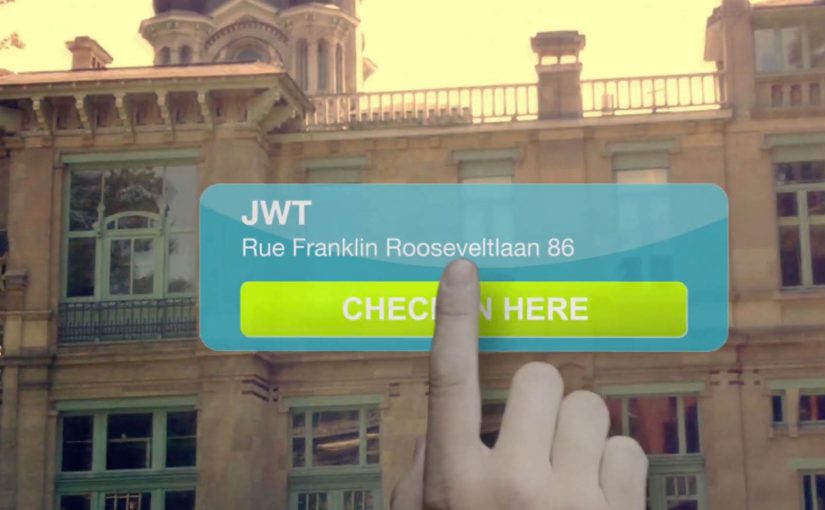
The team at Euro RSCG drove around Brussels every day and checked in at leading agencies. After they became the “Mayor” of targeted agencies, they released their recruitment messages.

Foursquare as a recruitment billboard

The mechanism is simple and slightly mischievous. Foursquare rewards repeated check-ins at a venue with the “Mayor” status. Euro RSCG uses that status as the placement, then drops hiring messages where competitors’ people are most likely to notice them. It works because the platform-granted title creates visible relevance at the exact venue where rival talent is already paying attention.

In competitive digital-talent markets, employer branding works best when it shows up inside the daily tools and rituals your target audience already uses.

Why it lands

It is instantly understandable, and it leverages a public platform rule rather than buying attention. The move also signals confidence. “We are willing to compete for talent in plain sight.” Used with restraint, this is a smart recruiting idea because it turns ordinary check-in behaviour into targeted employer visibility. The real question is whether the platform rule makes the message feel natively relevant or just makes the stunt feel intrusive. At the same time, it walks a fine line. If it feels like harassment rather than humour, the tactic can backfire.

Extractable takeaway: If you use a social platform as a recruiting channel, make the entry mechanic native to the platform and keep the message playful, specific, and respectful, or it will read as desperation.

Other examples of agencies using social media to attract talent are:

Recruitment moves worth borrowing

  • Target by context, not by demographics. “Where do the people I want already spend attention?” is often the better question.
  • Use platform rules as media. When the channel itself creates the placement, participation feels less like advertising.
  • Keep the call to action tight. One clear role or value proposition beats generic “we’re hiring.”
  • Anticipate the ethics. If you would not want a competitor doing it to you, adjust tone and frequency.
  • Design for screenshots. If the message is worth sharing, the audience will distribute it for you.

A few fast answers before you act

What is the Euro RSCG Foursquare idea in one sentence?

It is a recruitment tactic where Euro RSCG repeatedly checks in at competitor agency venues on Foursquare, becomes “Mayor,” then posts hiring messages to reach digital talent.

Why does “Mayor” status matter?

Because it is a visible, platform-granted position at a location. That makes the recruitment message feel placed “inside” the venue’s social layer rather than pushed from outside.

What makes this more effective than a standard job post?

It targets people by environment and habit. The message shows up where relevant talent is likely to be, not where job ads usually live.

What is the main risk?

Reputation. If the move feels aggressive, disrespectful, or creepy, it can damage employer brand faster than it attracts candidates.

How do you measure success?

Qualified inbound applications attributed to the tactic, social sharing and sentiment, and whether awareness among the intended talent pool increases without negative backlash.

Budweiser: Ice Cold Index

Weather obsession turned into a price lever

Few cultural triggers are as universal as the weather. Budweiser used that everyday obsession to turn attention into action at the pub.

Irish people have always been fascinated by the weather, but their interest is set to reach new heights this summer with the launch of the Budweiser Ice Cold Index.

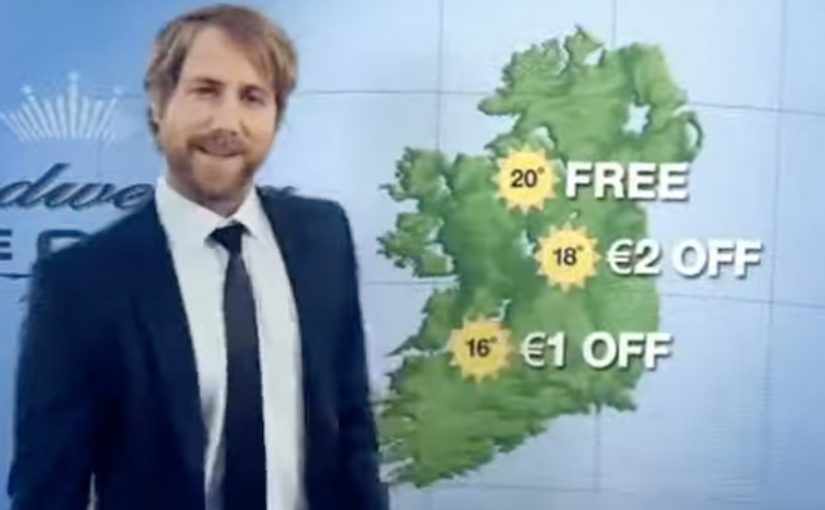
The Budweiser Ice Cold Index app is set to show you the local weather, then spit out redemption codes for free or discounted beer at nearby participating pubs. The higher the temperature, the less you will pay for your pint.

How the Ice Cold Index mechanic worked

The mechanism is simple. Combine three inputs into one immediate reward: location, temperature, and a redeemable code.

The app checks local weather. It then generates a redemption code tied to nearby participating pubs. Price sensitivity is built into the rule set. As temperature rises, the customer’s price drops. This is dynamic pricing in its simplest form: a discount rule that updates automatically based on a measurable condition.

That turns “checking the weather” into “moving into the selling space”.

The real question is how you turn a daily habit check into a measurable step toward purchase without it feeling like a random coupon drop.

Linking price to an external context signal beats arbitrary discounting, because the offer explains itself in one line.

In Irish on-trade activations, weather-linked rules can make a pub choice feel like a natural, talkable next step.

Why the offer feels timely, not forced

It lands because it connects to a real moment of intent. Warm weather increases thirst and increases pub footfall. The offer arrives at exactly the time the customer is already considering a drink.

Extractable takeaway: If you can anchor an incentive to a shared, observable condition, you reduce explanation friction and increase redemption because the context does the persuading.

It also feels fair and transparent. The rule is easy to understand. Hotter day equals cheaper pint. That clarity reduces skepticism and makes the incentive feel like a natural extension of the context.

The business intent behind linking price to temperature

The intent is to convert ambient interest into measurable behavior.

By tying discounts to local conditions, the brand creates a reason to choose a participating pub now, not later. It also encourages repeat checking and repeat visits, which is where loyalty accrues in practice.

This app literally moves people into the selling space, provides refreshment, and so it should gain some loyalty points with customers as well. Too bad it is only in Ireland.

Steal these moves from the Ice Cold Index

  • Attach the incentive to a context signal. Weather is a shared trigger that makes offers feel relevant.
  • Use a rule people can explain in one sentence. Clarity increases trust and redemption.
  • Move people into the selling space. The best mobile incentives reduce distance between intent and purchase.
  • Design for repeat behavior. If the offer updates with conditions, customers have a reason to come back.

A few fast answers before you act

What is the Budweiser Ice Cold Index?

A mobile app concept that shows local weather and generates redemption codes for discounted drinks at nearby participating pubs, with discounts increasing as temperature rises.

What was the core mechanism?

Dynamic pricing driven by weather conditions, delivered through location-aware redemption codes for nearby pubs.

Why does tying price to temperature work?

Because it aligns with real-world demand. When it is warmer, people are more likely to buy a cold drink, and the offer feels timely rather than random.

What business goal does this support?

Driving footfall to participating pubs, increasing redemption rates, and encouraging repeat engagement through an offer that changes with conditions.

What is the transferable takeaway?

Use a shared context trigger to make incentives feel natural, then deliver a simple, redeemable action that moves people into purchase.