
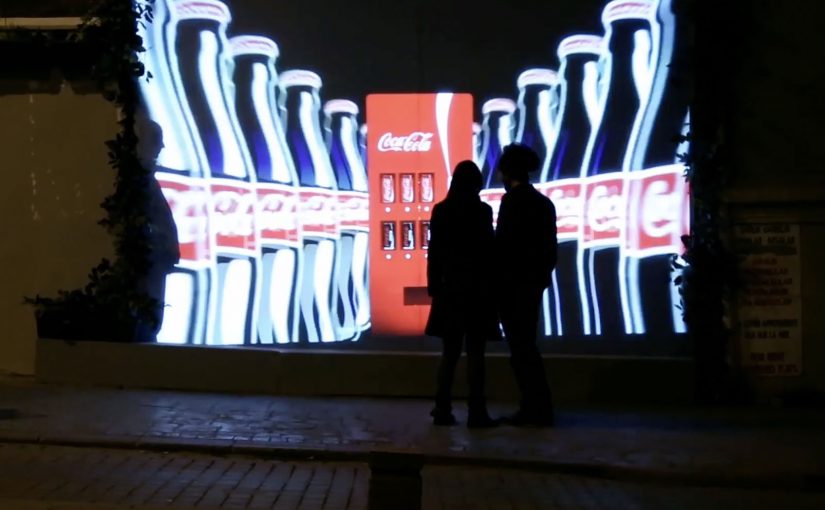
Coca-Cola Turkey: Invisible Vending Machine

Since the time I started writing this blog, I have come across many innovative vending machines. Some I featured right here on Ramble.

Now to add to this collection, here is an invisible vending machine from Coca-Cola Turkey that becomes visible only when couples walk by. The machine was created specially for Valentine’s Day (last week) and was installed in Istanbul to spread happiness Coca-Cola style.

A vending machine you cannot see until the right moment

The trick is the reveal. What looks like a normal stretch of wall becomes a vending interface only when two people approach together. That instant transformation creates a micro-scene, and the micro-scene pulls in everyone nearby.

In consumer brand activations, public installations work best when the interaction is obvious, fast, and shareable without instruction.

How the interaction is described to play out

  • Invisible by default. The unit blends into the wall and does not present itself as a machine.
  • Couples trigger the reveal. When two people pass together, the interface lights up and becomes visible.
  • Personal moment, not just a dispense. In coverage at the time, the machine asks for names and then produces two personalised cans.

Why it lands

This is not “another vending machine story”. It is a street-level surprise that creates a small, romantic spotlight for a couple, and a quick bit of theatre for everyone else. The invisibility is not a gimmick. It is a pacing device that makes the reveal feel like a reward. The real question is whether the experience creates a transformation that bystanders can explain in one sentence.

Extractable takeaway: If you want people to stop, watch, and retell an activation, build a visible transformation into the experience. A before-and-after moment is easier to share than a static stunt.

What Coca-Cola gets out of the Valentine framing

Valentine’s Day provides the social permission for public sweetness, names, and sentiment. For the brand, it is a clean link back to togetherness and “sharing happiness”, while turning a sample into a story people can repeat without being prompted.

Retail theatre patterns worth borrowing

By “retail theatre” I mean designing a retail moment as a small piece of live, shareable experience, not just a dispense or transaction.

  • Hide the interface until it matters. Visibility can be part of the reward, not just a prerequisite.
  • Keep the trigger legible. People should understand why it happened in one glance, or they will not mimic it.
  • Design for bystanders. The couple is the participant. The crowd is the media channel.
  • Personalise lightly. Names, messages, or small custom outputs feel intimate without needing heavy data.

A few fast answers before you act

What is the “invisible vending machine” concept?

A vending machine that stays hidden until a couple approaches, then reveals itself and delivers a Valentine-themed Coca-Cola moment.

Why make the machine “invisible” at all?

It creates a sharp reveal, and that reveal is the shareable payload. People remember transformations more than static installations.

What is the simplest way to replicate the effect?

Use a clear proximity trigger plus lighting and screen content that turns on instantly, and ensure the “why it appeared” is immediately understandable.

What is the biggest execution risk?

If the trigger is inconsistent or unclear, people will not repeat the behaviour and the crowd will not form. Reliability matters more than complexity.

What should you measure beyond views?

Dwell time, participation rate per hour, bystander clustering, social mentions generated on site, and any lift in nearby sales during the activation window.
Lacta: Love in the End

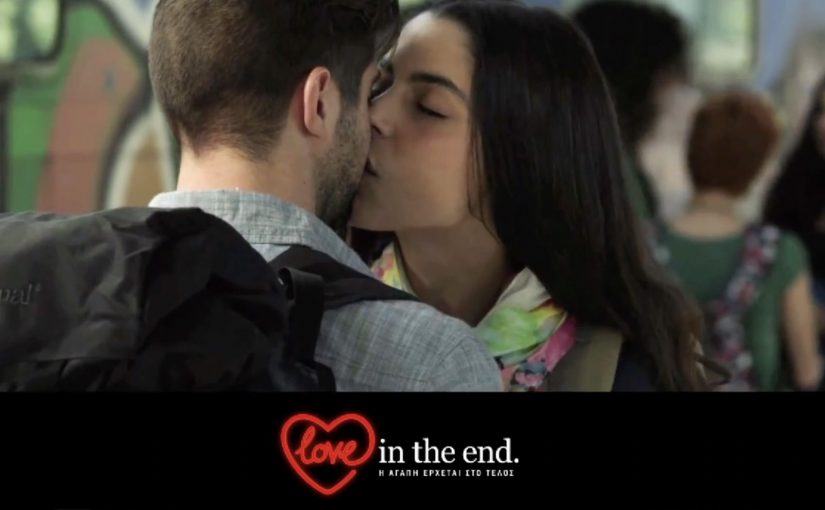
Lacta, a leading chocolate brand in Greece, has been creating innovative film content since 2009 around its strategy of being a symbol for the sweetness of love.

For this installment, Lacta invited fans to submit their stories of unfulfilled love, with the promise to give them the happy end they never had. On the cinema screen.

Finally three stories formed the basis of a film screenplay, entitled “Love in the end”, that was released on Valentine’s Day 2013. A transmedia campaign promoted the film and it became a big hit with audiences in Greece. Here, transmedia means connected teasers and social storytelling across channels that all build anticipation for the same release.

From real stories to a cinema-screen happy end

The mechanism is an audience-to-cinema pipeline. Collect true stories of unfulfilled love, select a small number that can carry a broader narrative, adapt them into a screenplay, then build anticipation through connected channels so the audience feels ownership before opening night. The real question is whether a brand can turn private emotion into a public release without draining it of authenticity. That structure works because early participation creates emotional investment before release, so the opening feels like a shared payoff rather than a pushed campaign.

In European FMCG branded entertainment, this kind of storytelling works best when participation is a source of meaning, not just a source of reach.

Why this lands

This works because it makes the brand the enabler, not the author. The stronger strategic move is to let audience truth carry the emotion and keep the brand in the enabling role. Lacta does not just “tell a love story”. It invites vulnerability, then pays it back with a public resolution in a culturally heavyweight format. The cinema.

Extractable takeaway: If you want a branded film to feel earned, start with real human input, curate hard, and give the audience a clear public moment to rally around, so anticipation becomes part of the product.

The results the campaign reported

Campaign reporting stated that 17% of the Greek internet population saw the online teasers, generating 700,000 views and hundreds of rave comments.

Reported social momentum was also strong. Lacta’s Facebook fans increased by 100,000, making its Facebook page the biggest for any brand in Greece at the time, with 650,000 fans.

On release, the film was described as having the biggest opening night for any Greek movie in the last five years, with more than 75% of all movie tickets being sold for it.

Here are the past film based campaigns

What to borrow from Lacta’s film playbook

  • Use a human intake. Real stories create emotional permission that scripted copy rarely earns.
  • Curate into a single release. Selection and adaptation turn raw submissions into a coherent film people can anticipate.
  • Build anticipation with episodic crumbs. Teasers and social updates make a film feel like a season.
  • Anchor to a calendar moment. Valentine’s Day creates a natural reason to care now.

A few fast answers before you act

What is “Love in the end”?

It’s a Lacta branded-entertainment film built from fan-submitted stories of unfulfilled love, adapted into a screenplay and released on Valentine’s Day 2013.

What does “transmedia campaign” mean in this case?

It means the film was promoted through multiple connected channels using teasers and social storytelling to build anticipation before the main release.

What results were reported for the online teasers?

Reported results said 17% of the Greek internet population saw the teasers, producing 700,000 views and hundreds of positive comments.

What results were reported for Facebook growth?

Reported results said Lacta gained 100,000 new fans, reaching 650,000 fans and becoming the biggest brand page in Greece at the time.

What was reported about opening night?

The film was described as the biggest opening night for a Greek movie in the last five years, with more than 75% of all movie tickets sold for it.

GOL: Valentine’s Flight Seat Challenge

Brazilian airline GOL ran a Facebook activation designed to grow its online community and raise brand awareness in a highly competitive airline market. The insight behind it was simple. A trip can be one of the most romantic Valentine’s gifts to receive.

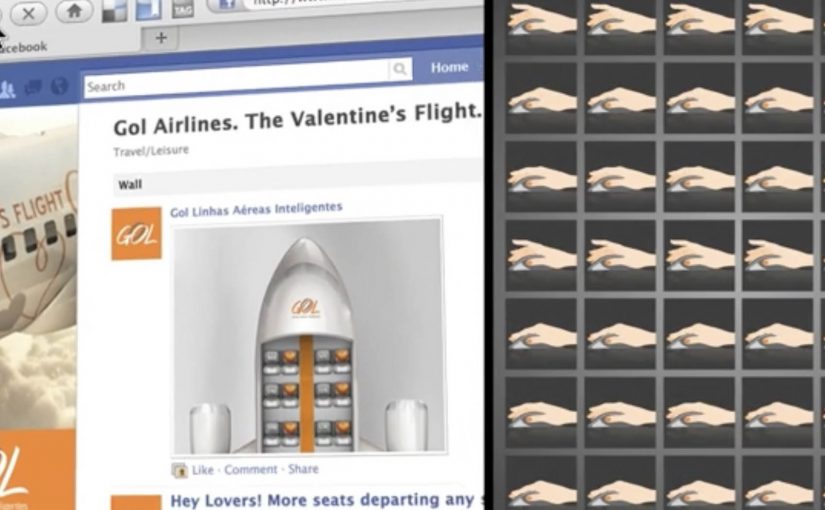
Over the Valentine’s weekend, GOL posted a series of images featuring empty airplane seats on its Facebook wall, without warning. The first people to see each image and comment the correct seat numbers won a pair of return tickets to any of GOL’s destinations.

The campaign was reported to have grown GOL’s Facebook community from 12,000 to over 200,000 in three days, making it number one in its category for the period.

A giveaway that rewards attention, not effort

The mechanism is a speed game disguised as a romantic prize. You do not fill out a form or write a story. You notice a post. You read a seat layout. You comment a number faster than everyone else.

In mass-market consumer categories, lightweight “attention rewards”, small prizes for noticing and reacting in the feed, can outperform complex promotions because they fit how people already behave in social feeds.

Why it lands

The execution stacks three accelerators. Surprise timing. A simple visual puzzle. A high-value reward that feels emotionally relevant to the weekend. That combination converts scrolling into urgency, and urgency fuels sharing and repeat checking, even among people who never win. The real question is whether your winner logic is instantly believable at feed speed.

Extractable takeaway: If you want rapid community growth, design a loop where the behaviour is already native to the platform, and the winner selection is instantly credible. Speed plus clarity beats creativity-plus-forms.

What the brand is really buying

Beyond awareness, this format buys habit. People learn that the page can drop value without notice, so they follow, refresh, and invite friends to watch too. The prize is the hook. The real outcome is an audience that has trained itself to pay attention at the brand’s tempo.

Steal this: Surprise-seat giveaway loop

  • Use a recognisable visual trigger. A seat map is instantly readable, even at feed speed.
  • Keep participation to one action. Commenting is frictionless. That matters more than polish.
  • Make the rules self-verifying. Everyone can see the seat numbers and understand who was first.
  • Lean on surprise scheduling. Unannounced drops drive repeat checking far better than a fixed timetable.
  • Match prize to context. A Valentine’s weekend mechanic wants a prize that feels like a shared experience.

A few fast answers before you act

What is the Valentine’s Flight Seat Challenge in one sentence?

It is a Facebook giveaway where GOL posted surprise images with empty seat layouts, and the first users to comment the correct seat numbers won return tickets.

Why does “first to comment” work so well on Facebook?

Because it rewards attention and speed, which are native behaviours in a feed. It also creates a visible, easy-to-trust winner logic.

What makes the seat map a strong creative device?

It is instantly legible, visually distinctive in the feed, and turns the brand’s core product into a simple game mechanic.

What is the biggest risk with this format?

Perceived fairness. If timing, moderation, or winner confirmation is unclear, the campaign can trigger backlash rather than growth.

What should you measure beyond follower count?

New follower retention after the weekend, engagement rate on subsequent posts, repeat participation behaviour, and whether awareness lift correlates with search and booking intent.