
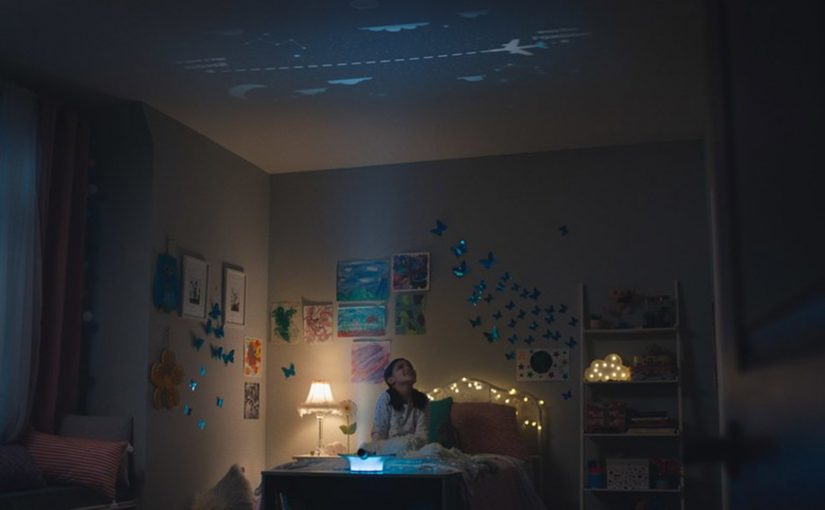
WestJet Flight Light

WestJet creates a small device with a big emotional job. WestJet Flight Light is a nightlight that uses live flight data to project a parent’s WestJet flight path onto a child’s bedroom ceiling, turning the wait into a visual, interactive countdown of hours and minutes until the parent returns.

In airlines and other service businesses, more brands move beyond selling a product and start designing convenience services that drive repeat usage and loyalty by solving real-life friction.

By convenience services, I mean a branded layer that uses operational data to make a recurring job easier for the customer.

Here, the friction is business travel. WestJet wants frequent travellers to pursue work opportunities without losing connection with the people waiting at home. Flight Light makes the journey feel present. Not abstract.

Why the concept works

The power is not the hardware. It is the experience design. A child’s instinct is to count down. Flight Light makes that countdown tangible and playful by projecting the route in the place where bedtime routines already happen, which turns waiting into anticipation.

Extractable takeaway: If you can turn operational data into a repeatable ritual in the customer’s real environment, you create loyalty that feels like care, not marketing.

The service logic

This is a brand service that behaves like a product. A brand service is a repeatable utility that makes the brand part of a real-life routine. Live flight data becomes a family connection layer. The airline becomes part of the at-home story, not just the transport provider.

The real question is whether your operational data can earn a role in the customer’s routines, not just inside your app.

Brands should treat data as experience material when it reduces anxiety or effort in a moment that already exists in the customer’s life.

Beta-testing and what it signals

WestJet says a prototype of Flight Light exists, with beta testing scheduled to begin later this year. That is the bridge between a cute concept and something that can be operated, supported, and scaled.

Borrowable moves from Flight Light

  • Start with a real-life routine. Bedtime already has attention and emotion. Place the experience there.
  • Use operational data as story material. Flight status becomes a shared narrative the family can follow.
  • Make the countdown visible. Turn “when are you home?” into a simple, comforting visual progression.
  • Design for repeat trips. The value compounds when the service works the same way every time the parent travels.

A few fast answers before you act

What is WestJet Flight Light?

A nightlight concept that uses live WestJet flight data to project a parent’s flight path onto a child’s bedroom ceiling as an interactive countdown to their return.

Who is it designed for?

Business travellers and frequent flyers with families, especially parents who travel regularly for work.

What is the core experience design move?

It turns live flight status data into a comforting, visible bedtime ritual that makes the trip home feel real and close.

What problem is it solving?

It reduces the emotional friction of business travel by making a parent’s trip home visible and countable during a child’s bedtime routine, instead of feeling distant and abstract.

Why is it a brand service, not just a gadget?

The value comes from turning live flight data into an at-home experience a family can reuse on every trip. The nightlight is the interface. The service is the connection layer.
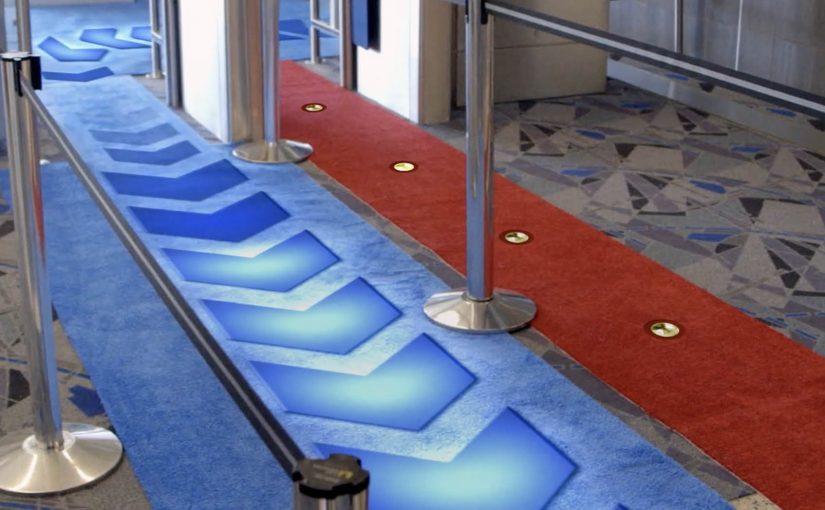
WestJet: Ultimate Las Vegas Upgrade

WestJet over the years has passionately given back to their guests with various unimaginable experiences.

Now in their latest campaign targeting Toronto to Las Vegas bound WestJet guests, they got Las Vegas comedian Carrot Top to offer guests a special walk down the red or blue carpet. Those who chose to walk down the red carpet continued on their vacation as they had originally planned. Those who chose the blue carpet went with Carrot Top on an action-filled experience that included a stunning acrobatic display, a world-class DJ, a private airplane hangar, showgirls, and VIP access to the best of the city.

A choice mechanic that turns boarding into a story

The mechanism is a fork in the road with immediate consequences. Here, the choice mechanic is a designed decision point where one visible choice changes the path and the story. You are offered a simple choice, red or blue, with no time to overthink it. The red path is “normal”. The blue path is “something is happening”, and the reveal escalates quickly once the choice is made.

In travel and service brands, surprise upgrades work best when they are structured as a clear decision point that people can instantly explain to someone else.

Why it lands

This works because it gives guests a feeling of control while still delivering surprise. That mechanism works because a visible fork creates ownership before the surprise arrives, which makes the payoff feel earned rather than random. The blue carpet is not a random selection. It is a self-chosen leap into the unknown, which makes the outcome feel more personal and more shareable. The red carpet also matters, because it preserves contrast and keeps the twist believable.

Extractable takeaway: If you want a surprise to travel, wrap it in a simple choice. Choice creates ownership, and ownership turns a brand moment into a story people repeat accurately.

The business intent behind the spectacle

This is a loyalty play disguised as entertainment. It reinforces the idea that flying can include delight, not just transport. It also creates a strong piece of proof that WestJet treats guests as people, which is the kind of narrative that outperforms feature lists in crowded travel categories.

The real question is whether a service brand can turn a routine travel moment into a story guests want to retell.

What travel brands can steal from this

  • Use a binary choice: two paths create instant tension and clear storytelling.
  • Reward curiosity: let the “brave” option unlock the best outcome, then show why.
  • Escalate fast: once the choice is made, deliver the first payoff immediately to lock attention.
  • Make it filmable: design reveals that work from a handheld camera in real environments.
  • Anchor to a destination truth: Las Vegas is already a promise of spectacle. The upgrade simply makes that promise feel real early.

A few fast answers before you act

What is the WestJet “Ultimate Las Vegas Upgrade”?

It is a surprise experience for Toronto to Las Vegas travelers where guests choose a red or blue carpet. Red continues as normal. Blue triggers a curated VIP Las Vegas experience led by Carrot Top.

Why use a red vs blue choice?

Because it is instantly understandable, it creates viewer control, and it gives the story a clean structure with contrast between normal and extraordinary.

What makes this effective airline marketing?

It makes service tangible. Instead of claiming “we care”, the brand demonstrates it through a memorable experience that guests can share and retell.

What is the reusable pattern for other brands?

Create a simple decision point in a real customer journey, then attach an escalating surprise to one path so customers feel they opted into the moment.

What is the biggest risk with this format?

If the reveal feels confusing or staged, the audience disengages. The choice must feel real, the payoff must feel earned, and the execution must respect guest comfort.

WestJet Christmas Miracle: Spirit of Giving

A purple-clad virtual Santa appears on a screen and asks residents of Nuevo Renacer what they want for the holidays. The requests are simple, specific, and deeply practical.

WestJet follows up last year’s Christmas Miracle with “Spirit of Giving”, created with Canadian charity Live Different. Instead of surprising passengers at baggage claim, the airline takes the idea to a community near Puerto Plata in the Dominican Republic, then documents the moment those wishes are handed back at a Christmas party.

The earlier film was reported to go viral and pass 36 million YouTube views. This follow-up is described as pulling strong early attention too, with view counts climbing quickly in its first days online.

The mechanism: ask, commit, deliver

The creative device is a clean three-step loop. First, the “virtual Santa” invite makes wishes safe to share. Second, WestJet commits to fulfilment, not vouchers. Third, the reveal turns a list of needs into a communal celebration, with WestJet employees and Santa presenting items that were requested.

That loop works because specific requests and visible fulfilment turn generosity into proof, which makes the story credible on camera and in conversation.

In airline brands where differentiation is hard to sustain through functional claims alone, a repeatable giving platform can build distinctiveness through emotion, participation, and earned reach.

Why it lands

This works because the surprise is not random. It is personalised, visible, and delivered in public, which makes the generosity feel real rather than performative. The setting also matters. A whole community receives together, so the story becomes collective, not one tearful individual moment.

Extractable takeaway: If you want a feel-good campaign to travel, anchor it in specific asks from real people, then make fulfilment the hero action, so the audience can retell the story as a fact, not an ad.

What WestJet is really buying

At face value, it is seasonal warmth. Strategically, it is continuity. The real question is whether a holiday stunt can become a brand behavior people expect and remember. WestJet turns “Christmas Miracle” into a platform, not a one-off. The brand signal shifts from “we did a nice thing” to “this is what we do”, which is how recurring campaigns earn trust and expectation.

What to steal from WestJet’s giving platform

  • Keep the ask interface simple. A single question beats a complex participation mechanic.
  • Make fulfilment concrete. Items, not messages, so impact is legible on camera and in conversation.
  • Use employees as proof. When staff show up, it reads as culture, not just media spend.
  • Design a platform, not a stunt. Recurrence builds memory faster than novelty alone.

A few fast answers before you act

What is “Spirit of Giving”?

It is a WestJet holiday campaign made with Live Different in which residents of Nuevo Renacer share gift wishes with a virtual Santa, then receive those items at a community celebration.

How does it connect to the original Christmas Miracle?

It uses the same core promise, personalised giving captured on camera, but shifts the stage from passengers to a partner community, making the brand story about community impact rather than travel surprise.

What is the key creative mechanism?

A low-friction request moment, followed by a high-credibility delivery moment. The gap between the two is where anticipation and emotion build.

Why does the “virtual Santa” device matter?

It creates permission. People can state real needs without feeling awkward, and the audience immediately understands the format without explanation.

What is the biggest way campaigns like this fail?

When the giving looks staged or extractive. If participants feel like props, the emotional payoff turns into skepticism. Consent, dignity, and specificity are non-negotiable.