
Coca-Cola Wish in a Bottle

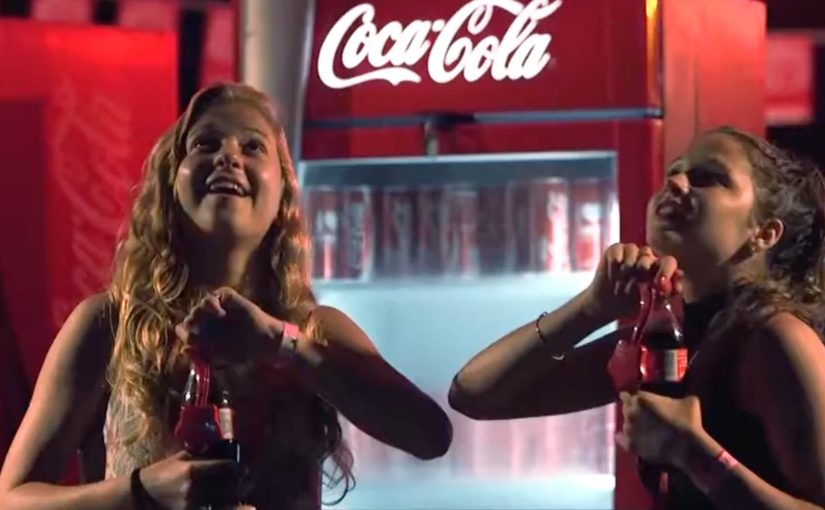
At Coca-Cola Summer Love 2015, a camp-like teen event held each year in Ganei Huga, Israel, Coca-Cola creates a moment that feels like magic. A teenager opens a special bottle, and a shooting star appears in the sky.

The mechanism is built into the packaging. Working with Gefen Team and Qdigital, Coca-Cola equips special bottles so that opening one sends a Wi-Fi signal to one of three drones. The selected drone flies up to around 1,000 feet and releases a firework that resembles a shooting star.

In live brand experiences for consumer brands, connected packaging works best when the trigger and the payoff happen in the same moment and the same place.

Why this is more than a stunt

This is a clean example of connected packaging used as an experience trigger. Here, “connected packaging” means the pack can detect a real action and trigger a response beyond the product itself. The bottle is not a container for a message. It is the switch that activates the experience. That makes the brand action feel causal and personal, because the spectacle happens at the exact moment of interaction. Connected packaging is worth doing when the payoff is instantly visible. The real question is whether the product can trigger a moment people would still want to share without needing an explanation.

Extractable takeaway: If you want a tech-enabled brand moment to feel personal, put the trigger in a familiar gesture and make the consequence show up immediately in the environment.

The pattern to steal

  • Put the trigger in the product. The experience starts when the customer does something real, not when they scan a poster.
  • Make the payoff visible. A shooting star in the sky is instantly understood, even without explanation.
  • Design for shared proof. Spectacle that happens above a crowd is naturally recorded, talked about, and replayed.

A few fast answers before you act

What is Coca-Cola “Wish in a Bottle”?

A Coca-Cola Israel activation where opening specially made bottles triggers drones to launch fireworks that resemble shooting stars.

Where does it take place?

During Coca-Cola Summer Love 2015, a teen event held in Ganei Huga, Israel.

How does the trigger work?

Opening a bottle sends a Wi-Fi signal to one of three drones, which then flies up and releases a shooting-star-style firework.

What is the core experience design idea?

Use connected packaging to turn a normal consumption moment into a visible, shareable experience that feels personally triggered.

Why does it feel personal instead of promotional?

The spectacle happens exactly when someone opens the bottle, so the crowd reads it as a consequence of a real action, not a timed show.

When is connected packaging the wrong approach?

If the trigger is unreliable or the payoff is delayed, invisible, or hard to explain, the tech becomes a distraction instead of a meaningfully triggered moment.
Cornetto: Series Commitment Rings

Netflix has taken the world by storm, transforming itself from a mail order DVD company into a streaming behemoth that consumes immense amounts of internet bandwidth worldwide. Along the way, it helped normalize a cultural habit called binge-watching, where you watch multiple episodes of the same TV show in one sitting.

Cornetto looks at that habit and pulls out a relationship insight. People “binge-watch cheat”. Skipping ahead without their partner, then pretending they did not. Campaign materials from Cornetto described this as widespread behavior and framed it as “Netflix infidelity”, including stats about how often people watch ahead while the other person sleeps, or re-watch episodes later to cover it up.

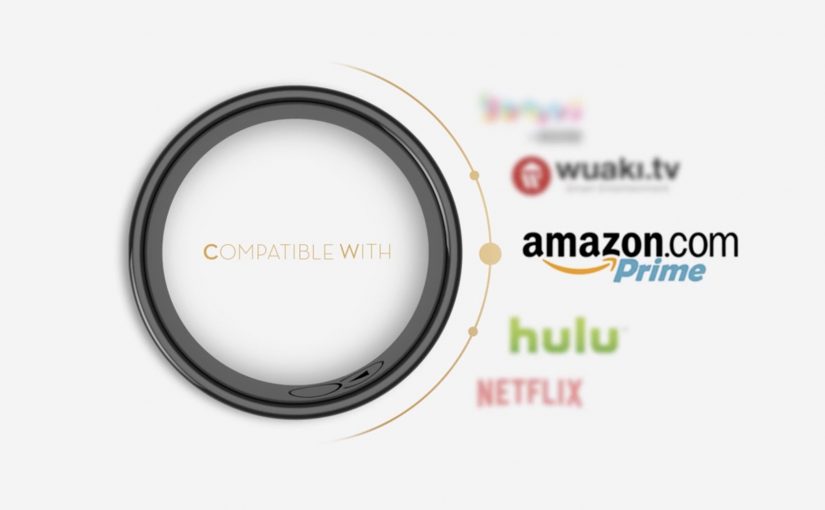
To “fix” the problem, Cornetto creates Commitment Rings. A pair of smart wearable rings designed to block access to agreed shows unless both partners are watching together.

How the rings enforce “we watch together”

The mechanism is NFC proximity plus a companion app. The rings connect to a smartphone over NFC. In the app, users register the shows they want to watch as a couple. From that point on, the next episode only plays if both people are present and their Commitment Rings are nearby, effectively locking the series unless the pair is together.

In subscription streaming culture, shared series have become a relationship ritual, so small “watching ahead” moments can carry real emotional weight.

Why it lands

This idea works because it treats a modern micro-conflict as if it deserves a formal solution, and that exaggeration is the joke. The rings also make the conflict visible and measurable. Either both are present or the episode does not start, which turns a vague promise into a concrete rule. It is a product-shaped punchline that still maps cleanly to a real behavior.

Extractable takeaway: When a cultural habit creates a recurring “tiny betrayal”, build a playful constraint that makes the rule unmistakable, then let the product itself carry the story in one sentence.

What Cornetto is really buying

This is not about launching a scalable wearable business. It is a brand move that places Cornetto inside a current cultural conversation, binge-watching, couples, and the social etiquette of streaming. The rings function like a physical metaphor for commitment, then redirect that metaphor back to the brand’s role in shared moments.

The real question is whether a brand can turn a small relationship rule into a product-shaped cultural story people want to share.

At the moment there aren’t any pricing details or release dates for this particular wearable, so you’ll have to keep checking the Series Commitment website for more details about it, or register with the site to receive more information about the product.

What to borrow from the idea

  • Start from a recognizable behavior. The audience must immediately know the “problem” from their own life.
  • Make the solution overly literal. The comedy comes from treating a small issue with disproportionate tech seriousness.
  • Build a crisp constraint. A simple rule is more shareable than a clever explanation.
  • Create a proofable mechanic. NFC proximity is easy to understand and easy to demonstrate on camera.

A few fast answers before you act

What are Cornetto’s Commitment Rings?

A pair of NFC-enabled rings designed to prevent “watching ahead” by only unlocking selected shows when both partners and their rings are nearby.

How does the locking actually work?

Users register the shows in an app. When someone tries to play a new episode, the app checks whether both rings are in close proximity, then blocks or allows playback.

What problem is the campaign targeting?

So-called “binge-cheating”. Watching episodes alone, out of sync with a partner, then hiding it or re-watching to cover it up.

Is this positioned as a real product or a campaign stunt?

It is presented as a product concept tied to a campaign, with sign-up messaging and no clear pricing or release timing in the original write-up.

What is the key lesson for marketers?

If you can translate a current cultural tension into a simple, demonstrable rule, the rule becomes the shareable story, and the brand becomes part of the conversation.

The Noite: Troll Ad Button

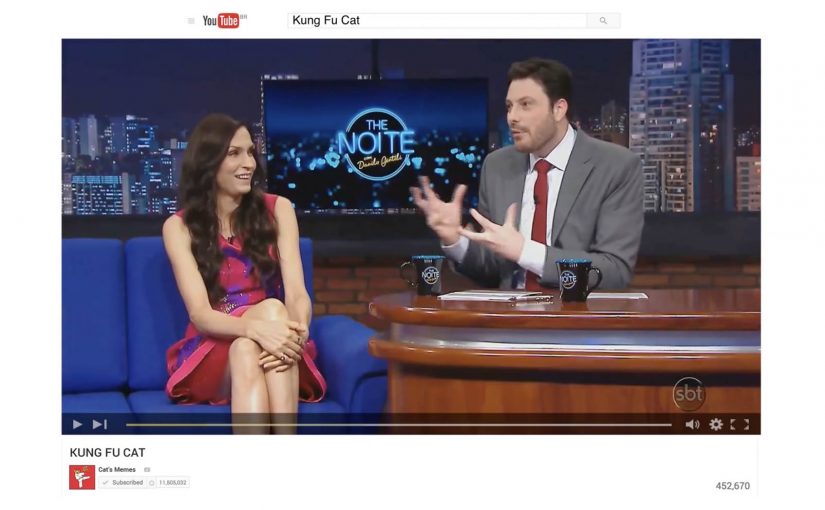
To promote a new season of The Noite, Publicis Brasil plays directly with a habit online video has trained into everyone. Skip the ad and move on.

Instead of treating that skip as the enemy, the campaign introduces a second choice. Viewers can click either “Skip Ad” or “Troll this ad”. The “troll” option leads to an unexpected piece of content that stays connected to the original message, and the campaign claims the result was four times more views than comparable pre-roll.

Turning a skip moment into a choice

The mechanic is not more targeting or louder creative. It is viewer control at the exact moment attention usually collapses. If you want to leave, you can. If you want to “troll”, you get rewarded with a playful detour that still carries the show.

In online video advertising, where skippable formats condition people to minimize attention, a simple interactive choice can convert avoidance into participation.

Why it lands

This works because it admits the truth of the format. People dislike being delayed. So the campaign reframes the pre-roll as a game with an opt-out, not a lecture with a countdown. The second button also creates curiosity, because it promises a different outcome than the usual “wait or skip” loop, and curiosity is one of the few reliable reasons people volunteer attention.

Extractable takeaway: If your audience’s default behavior is to escape, build a choice that makes staying feel like a self-directed action, then pay it off immediately with content that still ladders back to the brand.

What the show is really optimizing

The stated win is views, but the deeper win is sentiment. The Noite positions itself as culturally fluent in the platform’s frustrations, and that makes the promotional message feel less like interruption and more like shared humor. It is a promotion that behaves like entertainment.

The real question is not how to stop people from skipping, but how to make the pre-roll moment feel worth choosing.

The smarter move is not to fight skip behavior. It is to design a branded detour that respects it.

What to borrow from the button logic

  • Design at the drop-off point. Put your idea where attention usually dies, not after it.
  • Offer a real opt-out. Interactivity only feels fair if “leave” is genuinely available.
  • Make the alternate path rewarding fast. The payoff has to arrive immediately or the trick reads as manipulation.
  • Keep it on-message. The detour can be weird, but it should still be clearly linked to the original proposition.

A few fast answers before you act

What is the “Troll Ad Button” idea in one line?

A skippable pre-roll that adds a second option, “Troll this ad”, so viewers choose a playful alternate experience instead of simply skipping.

Why is a second button more effective than a better pre-roll film?

Because it changes the relationship with the format. It turns the moment into a decision the viewer owns, which can trigger curiosity and voluntary attention.

What metric did the campaign claim?

That it generated four times more views than similar pre-roll executions.

What is the key risk with “interactive pre-roll” mechanics?

If the alternate option is not genuinely different or feels like a trick, viewers punish the brand with distrust and faster skipping next time.

When should you use this pattern?

When your audience already expects to skip, and your brand can credibly reward curiosity with content that feels entertaining and immediate.