
Coca-Cola: FM Magazine Amplifier

Coca-Cola: FM Magazine Amplifier

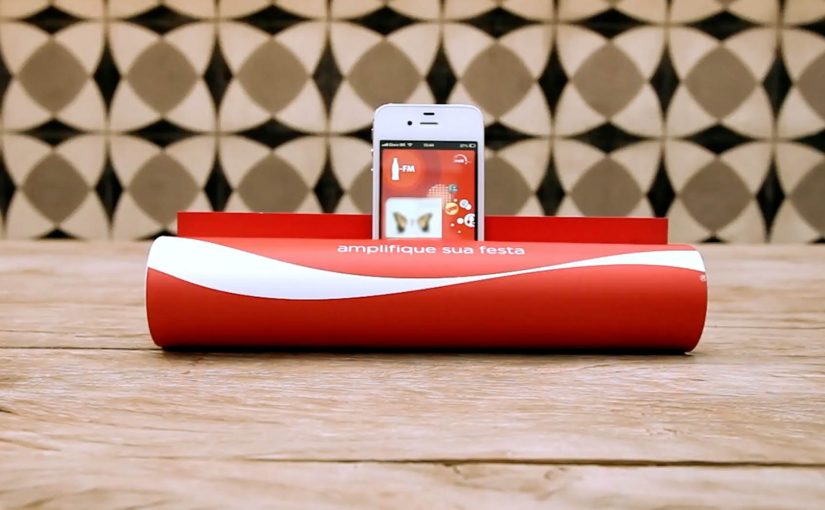
Coca-Cola to promote its FM app in Brazil allowed readers of the Capricho magazine to simply roll up the magazine and transform it into a portable amplifier for their iPhones. All the readers had to do was insert the iPhone into the spot indicated and tune into the Coca-Cola FM application. By “portable amplifier” here, I mean passive acoustic amplification from rolled paper, not electronics.

Why this is clever

The idea turns print into a functional accessory. No electronics. No QR-code dependency. Just smart physical design that rewards curiosity and makes the app the natural next step. Because the rolled magazine forms a simple acoustic horn, it directs the phone’s speaker output and makes the sound feel louder right away.

Extractable takeaway: When a piece of media becomes a working object, the “ad” turns into a demo and the digital step feels inevitable.

  • One simple action. Roll the magazine, insert the iPhone, hit play.
  • Instant utility. Louder sound is a real, immediate benefit.
  • Media becomes product. The magazine is not only a channel. It is the device.

In global consumer brands, analog-to-mobile bridges like this help when you need an obvious path into an app without adding new tech.

What to learn from it

This is a strong reminder that “mobile activation” does not always need a screen-first mechanic. When you can create a physical trigger that is obvious and satisfying, you reduce friction and increase shareability. People demonstrate it to others because it is surprising, and because it works.

The real question is how to make the next mobile step feel like a continuation of what people are already doing in the moment.

The strongest activations put physical utility first and let the app be the immediate follow-on.

  • Start with utility. Give people a benefit they can feel instantly, then invite the app as the next step.
  • Design one obvious move. Keep the interaction to a single action people can copy and demonstrate.
  • Make it easy to show. If it reliably “works”, people will hand it to someone else and replay the moment.

A few fast answers before you act

What is the Coca-Cola FM Magazine Amplifier?

It is a Capricho magazine execution in Brazil designed to be rolled into a tube that passively amplifies iPhone audio, used to promote the Coca-Cola FM app.

Why does a paper amplifier work at all?

The rolled shape acts like a simple acoustic horn, directing and concentrating the phone’s speaker output so it sounds louder.

What makes this effective as an app promotion?

The app is not advertised as a feature list. It is experienced. The physical utility creates a reason to open the app immediately.

What is the transferable pattern?

Turn media into a usable object, then connect that object to a single, obvious mobile behavior that completes the experience.
ibis: Sleep Art Paints Your Night

ibis: Sleep Art Paints Your Night

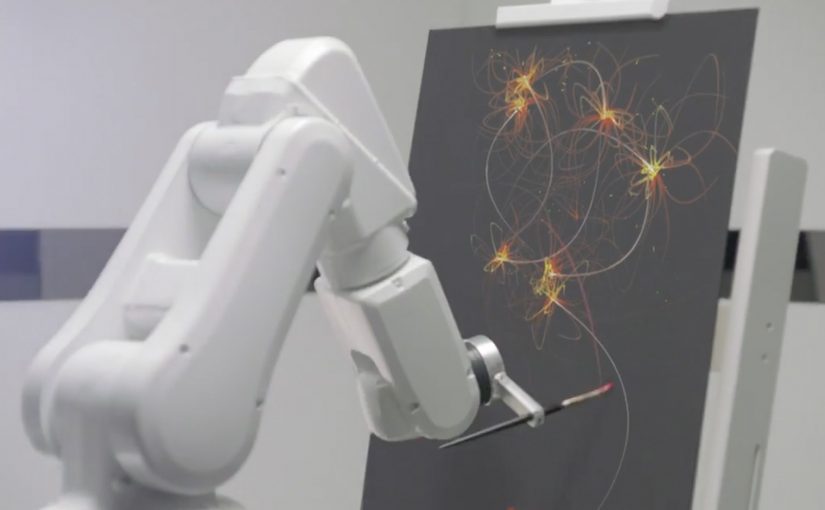
You fall asleep in an ibis room. While you’re out, a robot “wakes up” and turns your night into an abstract painting. By morning, you have sleep captured as a physical artifact, not a vague promise.

How Sleep Art works

The setup is simple in concept and slightly mad in execution. A mattress fitted with sensors captures signals like movement, temperature and sound. Those inputs are translated into brush strokes, and a robot paints them onto a canvas live through the night.

In European hospitality marketing, making an invisible benefit like “better sleep” visible and shareable can create disproportionate talk value for an economy brand.

The real question is whether a hotel brand can turn a private, hard-to-prove benefit into something people notice, remember, and share.

Where it shows up

The Sleep Art experience is positioned as available in European capitals including Paris, London and Berlin. Brand materials for the same operation also describe a Warsaw stop as part of the run.

Why this lands

This hits because it turns a universal, private activity into something you can see, keep, and show. It also gives ibis a distinctive proof object for its sleep story. By proof object, I mean a tangible output, like a canvas or shareable visual, that makes the benefit visible without extra explanation.

Extractable takeaway: If your core benefit is hard to perceive in the moment, translate it into a concrete output people can take home, screenshot, or share, so the benefit becomes demonstrable without extra explanation.

What the brand is really doing

Sleep Art is a product promise made legible. It frames “happy sleep” as both experience design (the room, the bed, the ritual) and content creation (the artwork), so the campaign functions as acquisition, PR, and brand repositioning at the same time.

How to make invisible benefits visible

  • Make the benefit visible. Convert an intangible promise into an artifact people can show.
  • Instrument the experience. Sensors are not the headline. The output is.
  • Design the morning-after moment. The reveal is where the story becomes tellable.
  • Scale with a lighter digital version. A physical installation creates the myth. A simple app extends reach.

A few fast answers before you act

What is ibis Sleep Art?

It’s a branded experience that converts sleep signals into abstract art, originally via a sensor-equipped bed feeding a robot that paints a canvas during the night.

What data does it use?

Signals such as movement, temperature and sound from sensors in the sleep setup, translated into visual patterns and brush strokes.

Why put a robot in the story at all?

The robot makes the transformation feel physical and “real,” which increases memorability and gives the brand a strong visual for PR and sharing.

How do people participate?

Through a registration mechanic routed via the ibis Facebook presence, positioning it as a limited, win-an-experience style activation.

What makes this a strong hospitality campaign pattern?

It turns a differentiator that’s hard to prove quickly, sleep quality, into a visible output that can travel beyond the hotel stay.

Heineken: The Real Master of Intuition

Heineken: The Real Master of Intuition

Just last week I wrote about the Heineken Star Player app, designed to let fans interact in real time with the nail-biting action of the UEFA Champions League.

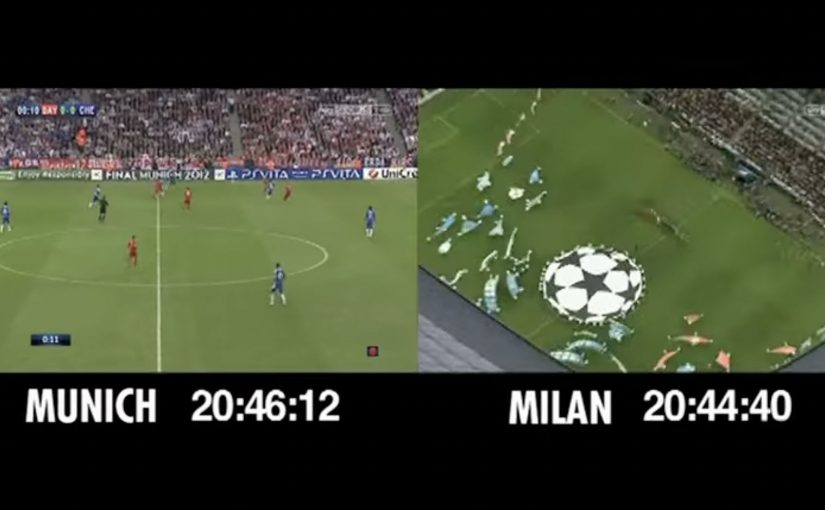
To promote the same Star Player app in Italy, Heineken decides to prank a famous sports bar in Milan, with Italian football legends Billy Costacurta and José Altafini providing live commentary on the UEFA Champions League final. What nobody in the pub knows is that Heineken has hidden cameras everywhere, and the match broadcast is delayed by two minutes, so people in the audience can upstage the legends by calling shots before they are even made.

A prank built on timing and social proof

The mechanism is simple and ruthless. Put credible legends in the room. Keep the crowd confident and loud. Then create a small information advantage by delaying the broadcast, so “intuition” looks like supernatural match-reading instead of a technical trick.

In European football marketing, second-screen ideas work best when they turn match tension into something people can perform together, not just watch.

Why it lands

This works because it weaponizes the most contagious thing in a sports bar: certainty. When one person confidently predicts a moment, everyone else starts scanning for the next prediction. The prank uses that energy to make the app’s promise, real-time interaction, feel like a natural extension of how fans already behave during big matches.

Extractable takeaway: If you want to demonstrate “real time” as a benefit, do not explain it. Create a live situation where the audience experiences the advantage socially, in front of other people, with instant feedback.

What the brand is really proving

This is not only entertainment. It is a credibility transfer. By that, I mean the authority of the commentators spills over onto the app experience and makes the real-time feature feel legitimate inside football culture.

The real question is whether Heineken can make real-time interactivity feel credible enough to belong in serious match culture.

By putting famous voices in the room, Heineken frames Star Player as something that belongs in serious match culture, while the hidden-camera format makes the proof shareable beyond the bar.

How to dramatize real-time advantage

  • Demonstrate the benefit under pressure. Big-match stakes make the mechanic feel meaningful.
  • Use a believable setting. A sports bar is already a “live commentary” environment.
  • Design for group contagion. The best moments are the ones other people in the room amplify.
  • Make the reveal the product story. The twist is the proof of what “real time” can do.

A few fast answers before you act

What is “The Real Master of Intuition”?

It is a Heineken hidden-camera prank in a Milan sports bar where a delayed match broadcast makes fans appear to predict plays before two football legends do, to promote the Star Player app.

Why delay the broadcast?

Because a small timing advantage is enough to create the illusion of extraordinary intuition, and it produces a strong, repeatable demonstration moment on camera.

What does this have to do with a second-screen app?

It dramatizes the idea of being “ahead of the action” and turns real-time interaction into a story people can feel, not just understand.

What makes the idea shareable?

Public embarrassment and surprise, plus a clear “how did that happen?” mystery that gets answered by the reveal.

What is the transferable lesson for marketers?

Create a live scenario where the audience experiences your product advantage socially, with immediate feedback, rather than relying on feature explanation.