
Coca-Cola: FM Magazine Amplifier

Coca-Cola: FM Magazine Amplifier

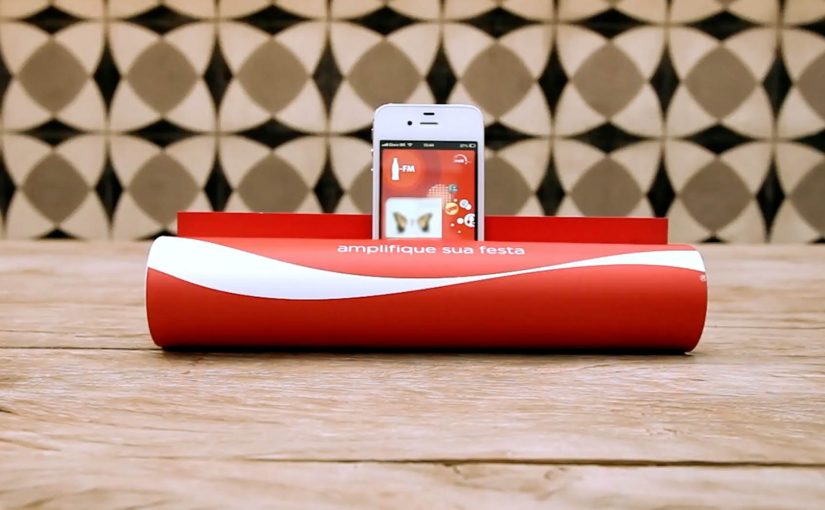
Coca-Cola to promote its FM app in Brazil allowed readers of the Capricho magazine to simply roll up the magazine and transform it into a portable amplifier for their iPhones. All the readers had to do was insert the iPhone into the spot indicated and tune into the Coca-Cola FM application. By “portable amplifier” here, I mean passive acoustic amplification from rolled paper, not electronics.

Why this is clever

The idea turns print into a functional accessory. No electronics. No QR-code dependency. Just smart physical design that rewards curiosity and makes the app the natural next step. Because the rolled magazine forms a simple acoustic horn, it directs the phone’s speaker output and makes the sound feel louder right away.

Extractable takeaway: When a piece of media becomes a working object, the “ad” turns into a demo and the digital step feels inevitable.

  • One simple action. Roll the magazine, insert the iPhone, hit play.
  • Instant utility. Louder sound is a real, immediate benefit.
  • Media becomes product. The magazine is not only a channel. It is the device.

In global consumer brands, analog-to-mobile bridges like this help when you need an obvious path into an app without adding new tech.

What to learn from it

This is a strong reminder that “mobile activation” does not always need a screen-first mechanic. When you can create a physical trigger that is obvious and satisfying, you reduce friction and increase shareability. People demonstrate it to others because it is surprising, and because it works.

The real question is how to make the next mobile step feel like a continuation of what people are already doing in the moment.

The strongest activations put physical utility first and let the app be the immediate follow-on.

  • Start with utility. Give people a benefit they can feel instantly, then invite the app as the next step.
  • Design one obvious move. Keep the interaction to a single action people can copy and demonstrate.
  • Make it easy to show. If it reliably “works”, people will hand it to someone else and replay the moment.

A few fast answers before you act

What is the Coca-Cola FM Magazine Amplifier?

It is a Capricho magazine execution in Brazil designed to be rolled into a tube that passively amplifies iPhone audio, used to promote the Coca-Cola FM app.

Why does a paper amplifier work at all?

The rolled shape acts like a simple acoustic horn, directing and concentrating the phone’s speaker output so it sounds louder.

What makes this effective as an app promotion?

The app is not advertised as a feature list. It is experienced. The physical utility creates a reason to open the app immediately.

What is the transferable pattern?

Turn media into a usable object, then connect that object to a single, obvious mobile behavior that completes the experience.
Billboard Brasil: On Hold Jam Session

Billboard Brasil: On Hold Jam Session

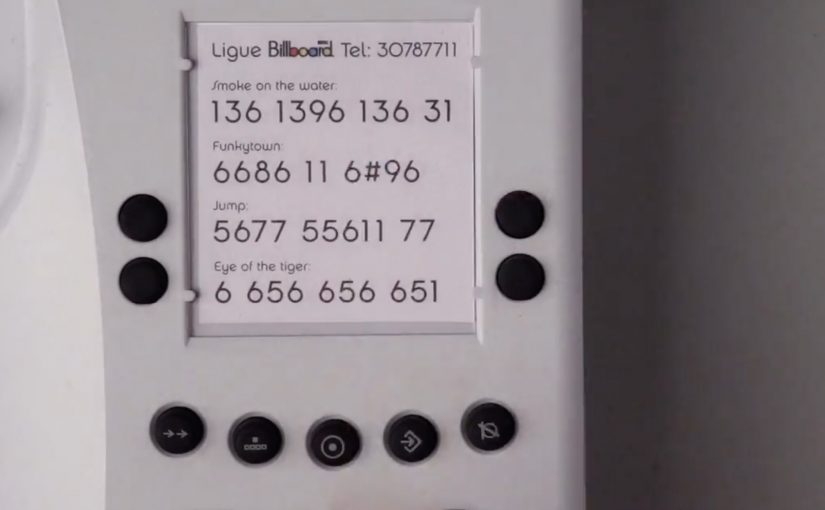
You call a magazine subscription line and get put on hold. Instead of elevator music, you get a prompt that turns your phone keypad into an instrument, so you can jam along while you wait.

Turning hold time into play time

Billboard Magazine features the best of pop music and entertainment in Brazil and, as they frame it, waiting on hold is one of the most boring music moments ever. So their ad agency AlmapBBDO creates the “On Hold Jam Session”, which makes the moment into a fun interactive experience and reflects the magazine’s concept of music and entertainment.

To make the magazine subscribers aware of this new on-hold feature, they send direct mail explaining how one could jam along with their phone buttons when they are put on hold at Billboard Magazine.

Why the mechanic is so effective

The mechanism is simple. Use the tones behind the phone keypad to trigger musical parts, so every button press feels like progress. It replaces passive waiting with viewer control, meaning the caller can shape what they hear in real time. That changes the emotional quality of the same time slice.

Extractable takeaway: If you cannot remove a wait, give people one simple action that produces immediate feedback, so the time feels shorter and more personal.

Definition-tightening: this works because phone buttons generate distinct audio tones that can be mapped to beats, riffs, or samples. The caller does not need instructions beyond “press keys to play”.

In subscription media and entertainment brands, turning unavoidable waiting into a participatory moment is a direct way to make the brand feel lived, not just consumed.

What Billboard is really buying

This is not a content campaign in the usual sense. It is a brand behavior demonstration. If Billboard is about music culture, the brand should show up even in the most unmusical moment, customer service hold time. The real question is whether your brand shows up when the customer is stuck, not only when the customer is browsing.

It also reframes a service weakness into a memorable touchpoint. The caller is more likely to tolerate the wait, and more likely to talk about the experience afterward.

Patterns for turning dead time into play

  • Target dead time. Waiting, queuing, loading, and holding are underused attention windows.
  • Make the first interaction obvious. One prompt, one action, instant feedback.
  • Turn friction into a feature. If the wait cannot be removed, redesign what the wait feels like.
  • Promote it with a physical cue. Direct mail works here because it sets expectation before the call happens.

A few fast answers before you act

What is the “On Hold Jam Session” idea?

It turns phone hold time into a playable music moment by letting callers create beats or melodies using their keypad while they wait.

Why does interactivity matter when someone is on hold?

Because it converts passive waiting into active participation, which reduces boredom and makes the time feel shorter.

How do phone buttons become a music controller?

Each keypad press produces a distinct tone that can be mapped to sounds. The system listens for the tones and triggers matching audio parts.

What is the business benefit beyond “fun”?

A better service experience, higher memorability, and a stronger brand association, plus increased word of mouth because the moment is easy to describe.

What is the main execution risk?

If the audio feedback is delayed or confusing, callers will abandon the interaction and it becomes just another frustrating hold.

Coca-Cola: Happiness Refill

Coca-Cola: Happiness Refill

Connection as currency on Copacabana

For teens, happiness often means one thing: staying connected.

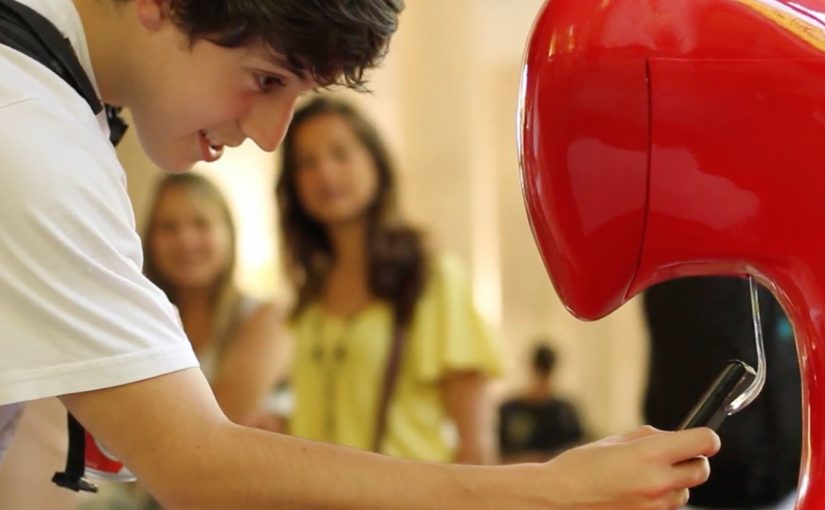
Coca-Cola in Brazil acted on this insight by creating a beachfront store on Copacabana Beach in Rio de Janeiro and installing a soda machine that delivered something more valuable than a drink.

The real question is whether your brand can trade something people have for something they cannot easily get in the moment.

Instead of only dispensing Coca-Cola, the machine rewarded users with free mobile internet credits. For young, emerging middle-class consumers who loved their mobile phones but could not afford generous data plans, the exchange was instantly clear and immediately useful.

How the Happiness Refill machine worked

The interaction was deliberately simple. Users accessed the machine through an exclusive Coca-Cola mobile browser. Completing the interaction unlocked internet credits directly on their phones.

No long registration. No delayed reward. Just a physical interface connected to a digital payoff.

The machine functioned as a bridge between the physical and mobile worlds, using hardware as a trigger and mobile connectivity as the reward.

By turning a quick physical action into instant connectivity, the mechanism created a visible payoff people could copy on the spot.

In mobile-first markets where data is a noticeable constraint, connectivity behaves like a form of currency.

Why free data landed harder than free soda

On a public beach, attention is fleeting. People move quickly, and distractions are constant.

Extractable takeaway: If you reward people with something scarce in their environment, the crowd becomes your distribution channel.

Free data solved a real, present problem. Connectivity was scarce, valuable, and socially visible. Watching someone gain internet access in front of you created instant social proof.

The machine became a gathering point. Not because it was novel technology, but because the value exchange was obvious and human.

The business intent behind Happiness Refill

Coca-Cola’s intent was not short-term sampling.

Utility beats messaging when attention is scarce and the payoff is immediate.

The goal was to make the brand’s long-standing “happiness” positioning tangible for a mobile-first audience by attaching it to everyday utility. Instead of asking teens to emotionally connect with a message, Coca-Cola embedded itself into a moment of real need.

This activation reframed the brand from advertiser to enabler.

What brands can steal from this activation

Here, an activation is a public, in-person brand moment designed to trigger a digital behavior.

  • Translate emotion into utility. Abstract values become powerful when expressed as something people actually need.
  • Design for instant payoff. Immediate rewards outperform persuasion in high-noise environments.
  • Create a public interaction. Physical touchpoints generate social visibility that digital ads cannot buy.
  • Respect economic reality. Value feels bigger when it acknowledges real constraints.

This machine also fits into a broader Coca-Cola pattern. It joins the growing number of Happiness Machines the brand has deployed globally since 2009.


A few fast answers before you act

What insight powered Coca-Cola’s Happiness Refill?

That for teens, happiness is often defined by connectivity. Free data mattered more than another free product.

What made the mechanism effective?

A simple physical interaction with an immediate digital reward. No delay, no complexity.

Why was Copacabana the right context?

The beach favors fast, visible experiences. The activation turned utility into a social moment.

What was the core business goal?

To reinforce Coca-Cola’s happiness positioning by delivering real-world value aligned with mobile behavior.

What is the transferable lesson?

When you make your brand genuinely useful in the moment, people do the distribution for you.