
Coca-Cola: Santa’s Forgotten Letters

Coca-Cola: Santa’s Forgotten Letters

When childhood letters get answered years later

The city of Santa Claus is situated in the state of Indiana, USA. The museum in the city brings together different objects related to Santa Claus and has long received letters from people around the world, described as doing so for more than 70 years.

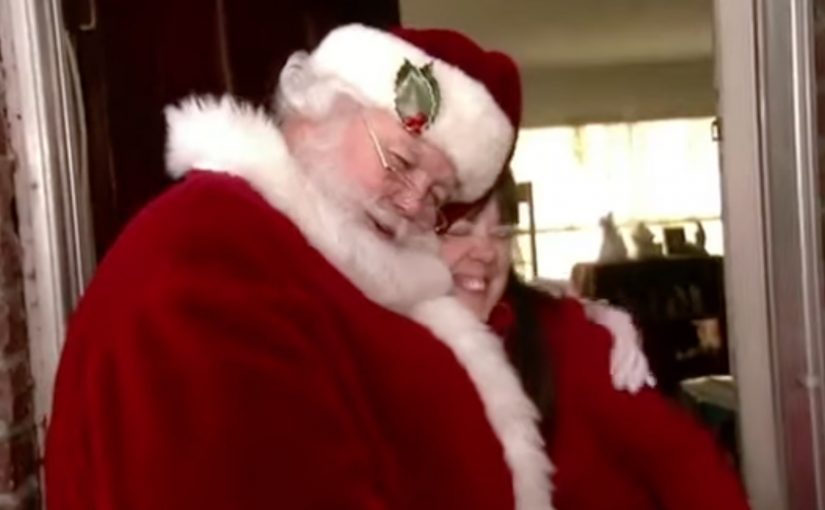
Coca-Cola with its ad agency Ogilvy Brazil selected 75 forgotten letters, meaning letters written to Santa as children that sat unanswered for years, and set out on an impossible task to find the writers and give them exactly what they asked for. The result was a touching movie that reinforces the magic of Christmas.

The impossible brief behind the film

The mechanism is straightforward and brutal in effort. Find a place where old letters to Santa were kept. Read through decades of messages that never got a reply. Select a small set of letters. Then track down the original writers and recreate the exact gifts they once requested.

In global FMCG holiday marketing, the fastest route to belief is to make generosity observable in the real world, not just promised in a tagline.

Santa’s Forgotten Letters is a Coca-Cola Christmas campaign by Ogilvy Brazil that turns archival letters into real deliveries, using the act of fulfilment as the proof of the story.

Why it lands: belief becomes physical

This works because it reverses the usual Christmas-ad formula. Instead of asking the audience to feel something while watching a film, it shows a real-world action first. The emotion is earned by the logistics.

Extractable takeaway: If you want “magic” to read as real, put the proof in the world first, then let the film simply document the effort.

The letters also do the writing for the brand. Each request is specific, personal, and time-stamped by childhood. That specificity makes the surprise feel less like marketing and more like closure.

The business intent hiding inside the sentiment

Coca-Cola is reinforcing a familiar role in the season. It wants to be the brand that protects the “magic” adults quietly miss, and it does that by staging a story people retell without needing to mention product features.

The real question is whether you can prove the sentiment with a concrete act, not just narrate it.

Done well, this is the right kind of sentiment-led brand work because it earns emotion through effort the audience can verify.

This is brand meaning built through a single, high-signal act that generates a long tail of earned conversation.

Steal this structure for earned emotion

  • Start with an artifact, not an insight. Real letters, real handwriting, real specificity.
  • Make the work visible. Show the searching, the tracking, the making, the delivery.
  • Let the recipients carry the truth. The reactions are the credibility layer.
  • Limit the scope to protect authenticity. A small number of deliveries can feel more believable than a mass stunt.

A few fast answers before you act

What is Coca-Cola’s Santa’s Forgotten Letters campaign?

It is a Christmas film built around a real-world fulfilment stunt. Coca-Cola and Ogilvy Brazil selected 75 old letters to Santa from Santa Claus, Indiana, tracked down the writers, and delivered the gifts they once asked for.

Where did the letters come from?

The letters were kept in Santa Claus, Indiana, where a local Santa-related museum had reportedly received letters for decades.

What is the mechanism, step by step?

Locate an archive of unanswered letters. Select a small set. Identify the original writers years later. Recreate the exact requested gifts. Deliver them, and film the search and the moment of fulfilment.

Why does the “old letters” device work so well?

Because it carries built-in specificity and credibility. A handwritten childhood request feels personal and time-stamped, so the fulfilment reads as earned rather than manufactured.

What should brands learn from this execution?

If you want belief, let the action do the persuading. Make the work visible. Keep the claim simple. Let real reactions carry the credibility.

What is the main risk with this kind of sentiment-led work?

If the fulfilment feels staged, scaled too broadly, or too polished, it can lose authenticity. Limiting scope and showing real effort helps protect trust.

Coca-Cola: Happiness Truck

Coca-Cola: Happiness Truck

Happiness Machine, now with a Rio beach twist

Coca-Cola, whose Happiness Machine video was described as a runaway hit for the brand last year with 3 million views, is back with a sequel that offers more of an international flavor.

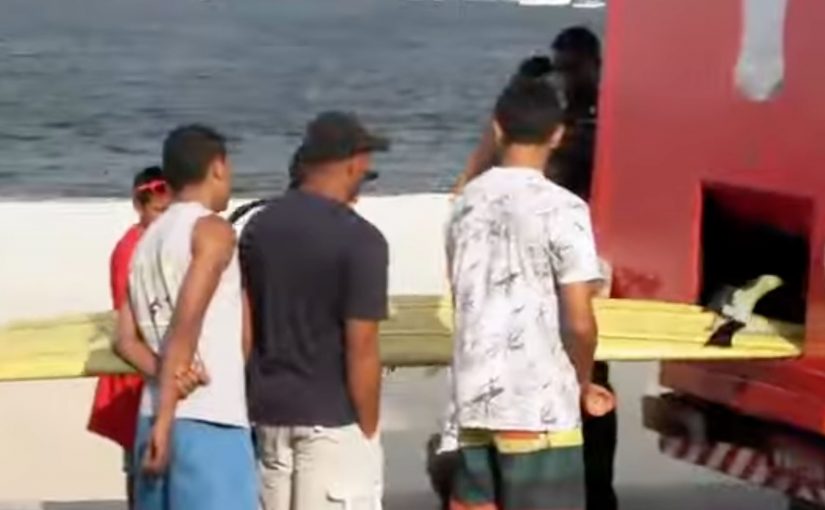
“Happiness Truck” takes place in Rio de Janeiro and is a twist on the original idea, which showed a Coke machine that spit out free Cokes, flowers, balloon animals, pizza and submarine sandwich at a college cafeteria. This time around, a special truck dispenses free Cokes as well as a beach toy, a surfboard, sunglasses, beach chairs, t-shirts and soccer balls.

The mechanic: one button, a public reward loop

The idea is almost embarrassingly simple. Put a big, inviting “PUSH” button on a branded truck. Let passersby trigger it. Then over-deliver on what comes out. Drinks first, then gifts that match the location and mood. Here, “public reward loop” means one person triggers the moment, everyone sees the payoff, and the crowd reaction invites the next press.

The Coca-Cola Happiness Truck is an experiential marketing activation where a branded truck dispenses free drinks and beach items to people who press a large button, turning a giveaway into a shared street moment.

In global FMCG marketing, these activations work best when the surprise is immediate, the moment is public, and the brand behavior feels generous rather than promotional.

Why it lands: the brand promise becomes observable

People do not need to be convinced by copy. They watch someone press a button and receive something real. The real question is whether bystanders can understand the payoff without explanation. The crowd reaction provides social proof, and the escalating gifts create a mini narrative that keeps people watching. The Rio-specific items, surfboards, beach chairs, sunglasses, make the generosity feel locally tuned, not copy-pasted from the first film. Because the trigger is public and the payoff is instant, the activation creates social proof without explanation.

Extractable takeaway: If the audience can see the action and the reward at a glance, you earn belief through visible behavior, not through messaging.

The business intent behind the “international sequel”

This is a sequel strategy that scales a successful format while refreshing the setting. It keeps the core concept intact. Surprise rewards from a familiar Coca-Cola object. and broadens it into a global “where will happiness strike next” platform.

It also turns brand warmth into a repeatable content engine. Each location can add its own culturally legible gifts, which gives the series room to travel without changing the structure.

Steal this street-activation pattern

This is worth copying when you can make the trigger obvious and the payoff immediate in public.

  • Make the trigger obvious. One button beats instructions.
  • Design escalation. Start with the expected reward, then add unexpected layers to hold attention.
  • Localize the gifts. Choose items that instantly signal place and mood.
  • Capture the crowd, not just the hero. The bystanders are the credibility layer and the amplification engine.

A few fast answers before you act

What is Coca-Cola’s Happiness Truck?

It is a street activation in Rio de Janeiro where a branded truck dispenses free Coca-Cola and beach-themed gifts to passersby who press a large “PUSH” button.

How is it related to the Happiness Machine?

It is described as a sequel that keeps the same surprise-generosity structure, but moves it from a cafeteria vending machine to a public street setting.

What is the core mechanic, step by step?

A public trigger creates a clear moment of action. An immediate reward lands first. Then the activation escalates with location-fit gifts, and filmed reactions provide the proof and the content.

Why does the push-button format work so well?

It removes friction and makes the story instantly legible. One simple action creates a visible payoff, so bystanders understand it immediately and social proof builds on the spot.

Why does localization matter in this execution?

The Rio-specific items make the generosity feel tuned to the place and mood, not copy-pasted. That detail makes the sequel feel fresh while keeping the structure familiar.

What business intent is this kind of activation serving?

It turns a brand promise into observable behavior and a repeatable content format. The same structure can travel to new locations without changing the concept.

Facebook integration at the Coca Cola Village

Facebook integration at the Coca Cola Village

A teenager enters Coca Cola Village in Israel wearing a wristband that carries their Facebook credentials. Each time they swipe at an attraction, their Facebook status updates instantly with what they are doing. The village behaves like a live social feed, powered by real-world actions.

The activation. Turning an event into a live Facebook layer

Publicis (E-dologic) and Promarket develop an experiential event for Coca Cola Israel that syncs everyone who participates with their friends on Facebook in real time.

Here, “integration” means the event turns real-world actions into predictable Facebook posts and photo tags.

The real question is whether you can turn on-site participation into shareable proof without asking people to stop and post.

This pattern beats “share this” prompts because publishing becomes the default outcome of participation.

How entry works. Caps plus friends

The Coca Cola Village 2010 event runs through Facebook. Teenagers collect 10 Coca Cola caps, plus eight friends who do the same. After registering online through Facebook, they receive exclusive entry.

How the wristband works. Swipe to post, shoot to tag

At the Coca Cola Village, participants set up a special wristband designed to securely hold their Facebook login and password. In practice, it is a scannable wristband that identifies the participant at event touchpoints. Every swipe triggers an immediate status update about what they are doing at the event, keeping friends up to date as it happens. The wristband also enables automatic tagging of photos taken at the village.

In youth-focused FMCG activations, the win is to make sharing a byproduct of participation, not a separate task.

The scale effect. When participation becomes publishing

The event holds 650 teenagers a day. With seamless Facebook integration, they generate 35,000+ posts per day across three days, totaling 100,000+ posts for the event.

Why this works. Social actions move from screen to space

This is what “integration” looks like when it is not a logo on a wall. The social network becomes a behavior layer inside the event. Because the swipe is the trigger, posting becomes as easy as participating. The wristband reduces friction, the swipe makes publishing physical, and the photo tagging closes the loop by spreading proof of participation back into the feed.

Extractable takeaway: If you want social scale from an experience, bind sharing to a simple physical ritual people repeat, not to a “remember to post” moment.

Design moves worth copying

  • Credential once. Do the setup up front, then let participation drive sharing automatically.
  • Make the trigger physical. Tie posting to a repeatable on-site action (the swipe), not a manual step.
  • Close the proof loop. Auto-tagging turns attendance into visible evidence that travels beyond the venue.
  • Design for repetition. The easier the ritual is to repeat, the more output you get without extra prompting.

A few fast answers before you act

What is Facebook integration at the Coca Cola Village?

An experiential event in Israel where an RFID-style wristband connects on-site actions to real time Facebook posting and photo tagging.

How do people get access?

By collecting 10 Coca Cola caps and eight friends who do the same, then registering through Facebook for entry.

What does the wristband do?

It securely holds Facebook login details and posts instant status updates whenever participants swipe at attractions. It also enables automatic photo tagging.

What is the reported scale of social output?

650 teenagers per day, generating 35,000+ posts per day across three days for 100,000+ total posts.

What is the transferable pattern for brands?

Make social sharing an outcome of physical participation, not a separate step. Reduce friction and tie posting to clear, repeatable actions.