
Volkswagen Trailer Assist

Volkswagen Trailer Assist

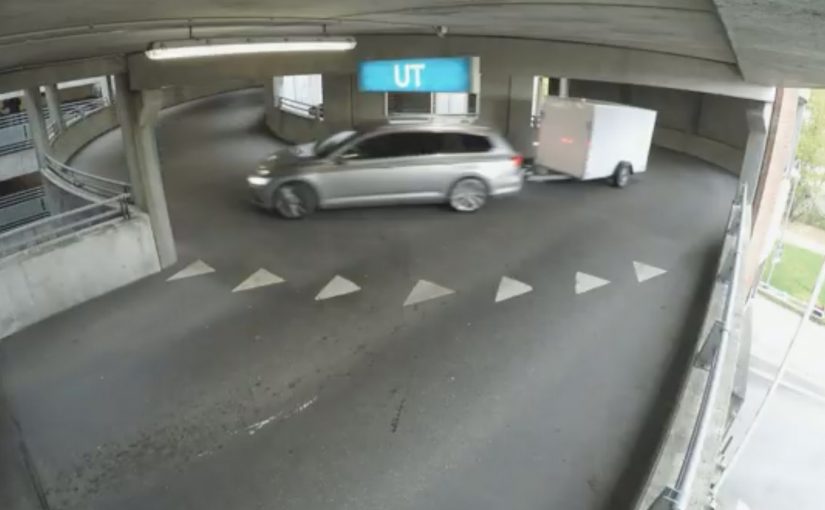
The Trailer Assist feature allows Volkswagen cars to park semi-autonomously using the rear backup camera. To promote this feature in Norway, Volkswagen created a stunt where a driver appeared to back up his car and trailer at high speed through parking lots, roundabouts and intersections.

The film looks impossible on purpose. The “trailer” was built as a disguised driving rig, with a stunt driver inside. One-way transparent plexi glass (and film) kept visibility possible for the driver in the rig, while still selling the illusion from the outside.

What Trailer Assist is actually solving

Reversing with a trailer is where confidence collapses for many drivers. The steering feels counter-intuitive, small corrections compound fast, and stress makes it worse. Trailer Assist flips that experience by turning the job into a simpler “direction setting” task, while the system handles the tricky part of guiding the trailer’s path using the rear camera. By “direction setting,” the driver chooses where the trailer should go rather than constantly counter-steering every correction.

Why the stunt works as marketing

In automotive marketing, driver-assist features are easier to remember when the audience feels the pain before it hears the specification. Because the stunt externalizes the panic of trailer reversing at an exaggerated scale, viewers immediately understand why assistance matters before the feature is explained. This is smart feature marketing because it dramatizes the user problem first and the technology second.

Extractable takeaway: When a feature reduces a known stress point, dramatize the stress first so the assistance feels necessary rather than technical.

What Volkswagen is really demonstrating here

The real question is whether Volkswagen can turn a hidden driver-assist feature into a capability buyers instantly understand and remember. Volkswagen is not selling autonomous driving here. It is selling confidence at the exact moment many drivers feel least competent.

What to steal for tech-feature storytelling

  • Start with a strong visual proof. If the benefit is hard to explain, make it easy to see.
  • Use exaggeration to earn attention, then anchor in reality. The stunt pulls people in. The feature explanation keeps it credible.
  • Pick a scenario your audience already fears. Trailer reversing is a universal stress test.

A few fast answers before you act

What is Volkswagen Trailer Assist?

A driver-assist feature that helps manoeuvre a trailer while reversing using the rear camera, reducing the counter-intuitive steering challenge.

What did Volkswagen do in Norway to promote it?

They staged a stunt that made it look like a Volkswagen reversed a trailer at very high speed through real-world driving situations.

How did they create the illusion?

A disguised trailer rig with a hidden stunt driver inside made the movement possible while keeping the “reverse drive” effect believable from the outside.

Why was plexi glass part of the setup?

One-way transparent plexi glass (and film) allowed the driver in the rig to see out while keeping the illusion intact for onlookers and camera angles.

What is the key takeaway for marketers?

When a feature is hard to appreciate in a static demo, create a single dramatic scenario that forces attention, then connect it back to the everyday value.
Hyundai: Virtual Guide AR App for Owners

Hyundai: Virtual Guide AR App for Owners

An owner’s manual you point at the car

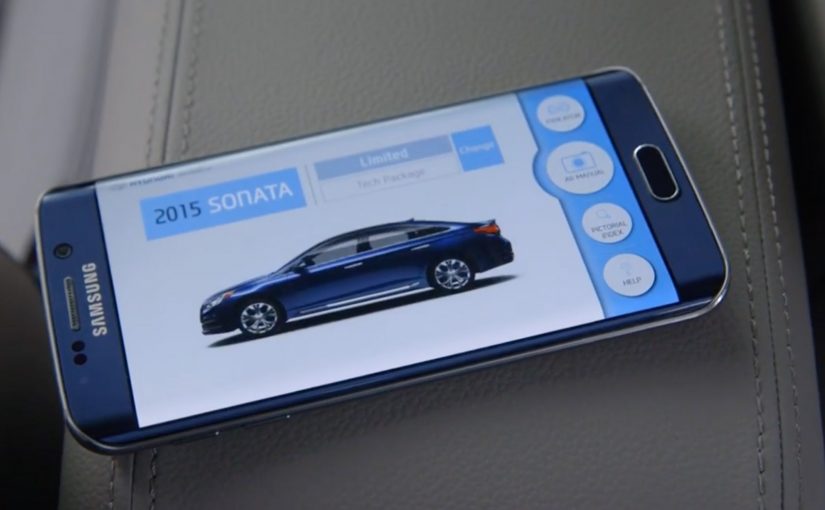
To make life easier for car owners, Hyundai has built an augmented reality app called the Virtual Guide. It allows Hyundai owners to use their smart phones to get more familiar with their car and learn how to perform basic maintenance without delving into a hundred page owner’s manual.

Here, augmented reality means on-screen overlays that label real-world parts and show step by step guidance while you view the car through the phone camera.

Here is a short demo video of the app from The Verge at CES 2016.

The clever part: help appears exactly where you need it

Instead of searching through pages, you point your phone at the car and learn in-context. That one shift. From reading about a feature to seeing guidance on the actual part. Makes learning faster and less frustrating.

In consumer product and mobility brands, the highest-value help shows up at the moment of use, not in a document you have to hunt for.

The real question is whether your product help meets people where the problem happens, or sends them off to search.

In-context, camera-based guidance should be the default for “how do I” tasks. Manuals should be the fallback.

Why this is a big deal for everyday ownership

Most drivers do not ignore manuals because they do not care. They ignore them because the effort is too high at the moment they need help. AR lowers that effort by turning “How do I…?” into a quick visual answer while you are standing next to the car.

Extractable takeaway: If you can put guidance on the real object in front of someone, you remove the search step. That makes follow-through more likely.

What Hyundai is really building here

Fewer support moments, fewer avoidable service misunderstandings, and a smoother owner experience that strengthens trust in the brand long after purchase.

The Virtual Guide app will be available in the next month or two for the 2015 and the 2016 Hyundai Sonata and will come to the rest of the Hyundai range later on this year.

Patterns to borrow for product help

  • Move instruction from documentation into the environment. In-context guidance beats search.
  • Design for the real moment of need. Standing next to the product, phone in hand.
  • Make “basic maintenance” feel doable. Confidence is a retention lever.

A few fast answers before you act

What is Hyundai Virtual Guide?

An augmented reality app that helps Hyundai owners learn car features and perform basic maintenance using a smartphone instead of relying on the printed owner’s manual.

How does it work in practice?

You use your phone to view parts of the car and get guidance designed to help you understand features and maintenance steps in context.

Which models does the post say it supports first?

The post says it will be available first for the 2015 and 2016 Hyundai Sonata, then expand across the Hyundai range later in the year.

Where was the demo shown?

The post references a demo video from The Verge at CES 2016.

Duracell: The Battle for Christmas Morning

Duracell: The Battle for Christmas Morning

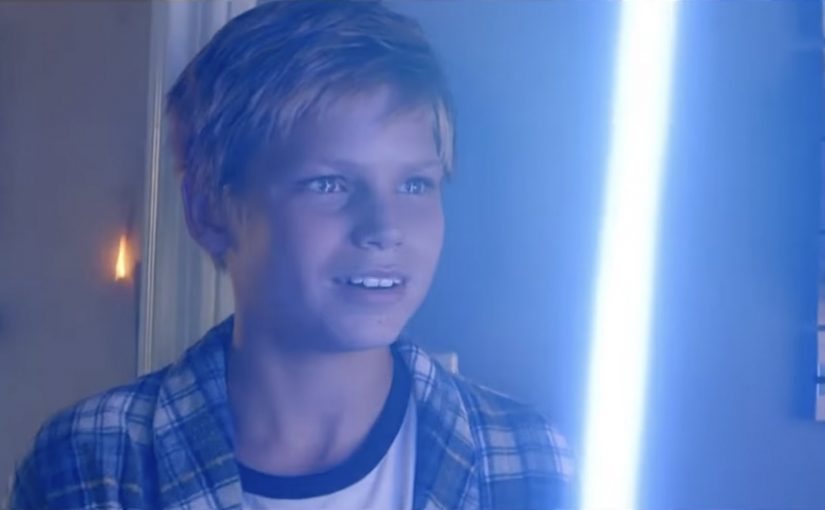
Star Wars is a marketing phenomenon every brand wants to be part of. Disney signed up seven brands for what it described as an expansive promotional campaign. The brands included Covergirl, Max Factor, Duracell, FCA US, General Mills, HP, Subway and Verizon, each developing custom work for Star Wars: The Force Awakens.

Since Star Wars is the biggest and most talked about event of 2015, this makes a fitting last post of the year for Ramble. Here is a Duracell Star Wars TV ad that is described as having already generated over 15 million views on YouTube.

How the partner machine works

The mechanism is straightforward. A tentpole film recruits a small set of major brands, then those brands translate the movie into retail moments, household rituals, and repeatable creative formats that can run for weeks. A “tentpole” film is the flagship release that carries the biggest marketing push.

In global blockbuster launches, promotional partner programs scale a single release into many consumer touchpoints before opening weekend.

The real question is whether your brand has a native job in the franchise moment, or whether you are just renting attention.

Why the Duracell idea fits the moment

Duracell chooses a natural bridge. Star Wars lives in toys, imagination, and living-room play. Batteries are the invisible enabler of that play, which is why the brand does not need to borrow the story world awkwardly. It simply powers it. This is the right kind of franchise tie-in.

Extractable takeaway: When you attach to a cultural franchise, pick the most “native” role you can own in the experience, then dramatise that role in a scene people recognise from real life.

What to steal from this kind of film tie-in

  • Start from a product truth. The partnership works when the brand’s role is unavoidable, not decorative.
  • Anchor in a ritual. Christmas morning is a ready-made attention moment that does the distribution work for you.
  • Use the franchise as a texture. The brand still needs its own reason to exist inside the story.
  • Keep the message simple. One benefit, one scene, one emotional beat is enough in a seasonal spot.

A few fast answers before you act

What is this Duracell Star Wars spot doing in one sentence?

It uses Star Wars as a backdrop to make a simple point. Duracell powers the toys and imagination that fuel Christmas-morning play.

Why do big films recruit promotional partners?

Partners add reach, retail presence, and repeated reminders across categories, extending awareness beyond trailers and cinema media.

What makes a franchise tie-in feel authentic?

The brand has a clear, credible job in the experience, and the creative shows that job rather than forcing a logo into the story.

What is the main risk with “everyone wants in” moments?

Generic sameness. If the brand role is not distinct, the work becomes interchangeable and the franchise overshadows the message.

What should you measure beyond views?

Brand recall linked to the benefit, retail lift in the seasonal window, and whether the partnership creates a repeatable platform for future campaigns.