
Thalys: Sounds of the City

Thalys: Sounds of the City

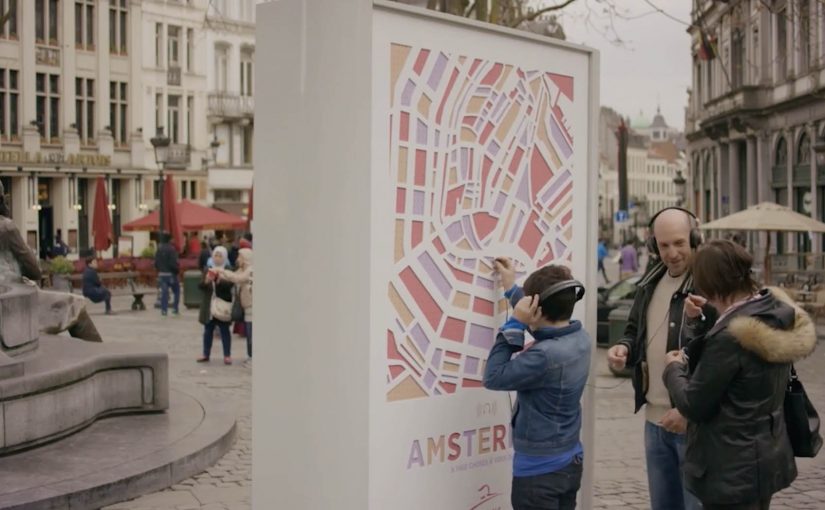
To encourage people to use the train to go and explore nearby cities, railway service Thalys creates three interactive billboards. Each billboard represents a city, and each is host to more than 1,000 unique sounds from that city.

Pedestrians who walk past these billboards are invited to plug in with their personal headphones and start exploring. So instead of using headphones to block out the city, they are made to use them to rediscover one.

When a billboard becomes a listening device

The mechanism is the whole point. A city map on a billboard doubles as an audio interface. Plug your headphones into different points and you unlock different sounds, turning a familiar out-of-home billboard format into a self-guided micro journey.

That matters because the interface makes exploration feel self-directed, which is why the destination becomes memorable before the trip starts.

In European high-speed rail travel, nearby cities compete on spontaneity and sensation as much as price or schedule.

Why it lands

This works because it flips a modern habit. Headphones usually remove you from your surroundings. Here they pull you into a destination you have not reached yet, using curiosity and discovery instead of discounts and slogans.

Extractable takeaway: If your audience already carries an interface, design the experience so their default behavior becomes your entry point. Then reward exploration with variety, so people keep trying “one more” interaction.

What Thalys is really selling

The real question is not how loudly you advertise a nearby city, but how quickly you make it feel explorable.

For travel brands, a sensory preview like this is stronger than another fare-led message.

The campaign sells proximity. You do not need a long promise about travel. You get a sensory preview that makes the next city feel close and personally explorable, even in the middle of your current one.

What travel marketers can lift from this

  • Turn passive media into a tool. If the unit does something, people approach it voluntarily.
  • Build a library, not a single message. 1,000+ sound fragments makes repeat interaction feel natural.
  • Use “rediscovery” as the hook. Familiar objects can become new experiences with one clever twist.
  • Let the audience choose the path. Interactivity creates viewer control and longer dwell time.

A few fast answers before you act

What is Thalys “Sounds of the City”?

It is a set of interactive billboards that let passersby plug in headphones and explore a city through a large library of location-specific sounds.

Why use sound instead of visuals?

Sound creates immersion fast and feels personal through headphones. It also differentiates travel advertising that usually relies on images.

What behavior does the idea exploit?

People already carry headphones and use them in public. The billboard redirects that habit from blocking out the world to exploring a destination.

What is the main metric to watch for OOH interactivity like this?

Dwell time, repeat interactions per person, and any measurable lift in intent or searches for the featured routes and cities.

How can another brand apply the pattern?

Identify a “portable interface” your audience already has, then design a physical touchpoint that turns exploration into the reward.
Oakley: Pro Vision with Google Cardboard

Oakley: Pro Vision with Google Cardboard

When you picture a virtual reality (VR) headset, you probably imagine something high-tech and far too expensive to feel practical. Google Cardboard takes that assumption and flips it by turning a simple cardboard cutout into a phone-powered VR viewer.

Oakley borrows that logic and puts it exactly where people already accept cardboard. The packaging. Instead of being thrown away, the box becomes the device that unlocks the experience.

Packaging that turns into a VR product

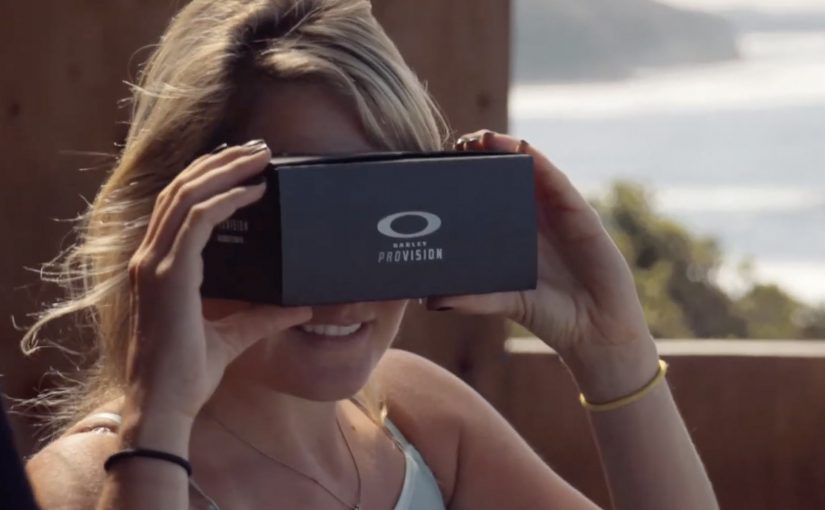
Google launched Google Cardboard as a cardboard cutout that turns Android phones into a VR headset. Oakley integrates that fold-and-slot concept into its sunglass packaging, so customers can transform the pack into a viewer and use their phone to access 360-degree content.

The payoff is described as a “you are there” look at extreme sports like surfing, skiing, mountain biking, skateboarding, and skydiving. It is less about specs and more about perspective.

In consumer product marketing, converting packaging from waste into a usable experience can create perceived value without adding new components.

Why this lands for an action-sports brand

This works because the medium matches the promise. Oakley is not only showing extreme sports. It is letting you look from inside the moment, using viewer control to make the content feel personal. The “VR made from packaging” twist also creates a good kind of surprise. The customer discovers the brand added value where they expected disposal.

Extractable takeaway: If your story is about immersion or perspective, build the experience trigger into something the customer already touches, then let the first interaction deliver the benefit before they read any explanation.

The commercial intent underneath

This is a purchase-adjacent experience. It turns the post-purchase moment into brand time, and it extends the product narrative beyond the sunglasses themselves. The packaging becomes a bridge between retail and content, with the customer doing the assembly that makes the story memorable.

The real question is whether the packaging can turn post-purchase curiosity into a usable brand experience, not whether it can imitate premium VR hardware.

What to steal from packaging-led immersion

  • Reuse an accepted “throwaway” material. If it is already in hand, it is frictionless distribution.
  • Make the first use obvious. Assembly and activation should be legible without instructions.
  • Match the experience to brand territory. Immersive POV content fits performance and extreme sports.
  • Design for sharing. If it looks clever on camera, people will demonstrate it for you.

A few fast answers before you act

What is Oakley Pro Vision in this context?

It is a packaging-led idea where an Oakley box folds into a Google Cardboard style VR viewer, using a phone to deliver 360-degree extreme sports content.

Why use Google Cardboard instead of a dedicated headset?

Because it lowers cost and setup. A phone plus folded cardboard is enough to deliver an immersive experience without asking people to buy new hardware.

What does 360-degree content add versus normal video?

It gives viewer control over where to look, which increases the sense of presence and makes the experience feel closer to a real point of view.

Where does the marketing value come from?

From turning packaging into a reusable object and extending brand time after purchase, while linking the product to high-adrenaline moments people want to feel.

What is the main failure mode with this pattern?

If the fold, fit, or onboarding is unclear, people will not assemble it. The physical usability has to be as strong as the content.